 हिंदी खबर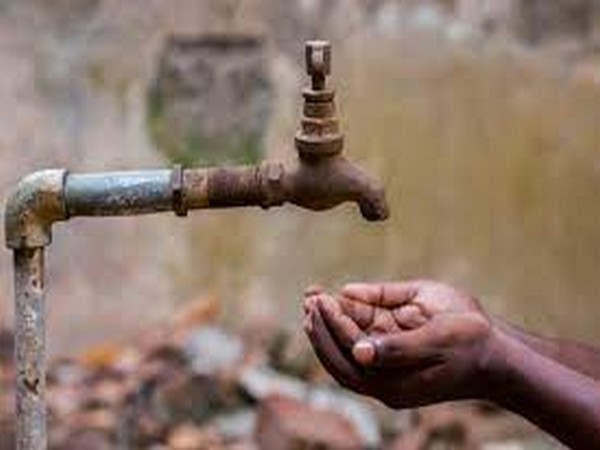

Rawalpindi [Pakistan], June 1 (ANI): As temperatures continue to soar, Pakistan's Rawalpindi is facing a dwindling water supply, for which low levels of underground water and lack of supply from dams are being largely blamed.
Water and Sanitation Agency (WASA) Managing Director Raja Shaukat Mehmood said on Sunday that Rawalpindi city was getting 46 million gallons daily (MGD) against its need of 59 MGD, reported The Express Tribune.
Meanwhile, underground water has dropped to 650 feet while a cut in supply from Rawal and Khanpur dams had added to the shortage.
The managing director informed that due to these factors, 460 tubewells installed to fulfil the water requirements of 1.6 million residents of Rawalpindi city are unable to meet demand.
The citizens were not getting water according to needs and the problem was worsening as the weather was turning hot, he added.
According to Mehmood, the first phase of a water supply project is pending for the past two decades and has not been started despite frequent review, reported The Express Tribune.
Even during the three years of the Imran Khan-led Pakistan Tehreek-e-Insaf (PTI) government, the project has only remained part of the discussions and meetings and no concrete efforts have been made to start it.
Other areas of Pakistan have also been struck with an acute water crisis. In April, Karachi was reportedly facing an acute shortage of water amid temperatures soaring to 40 degrees Celsius.
Meanwhile, the chief engineer of Guddu Barrage in Pakistan's Sindh province has advised growers not to go for paddy sowing in May and June as the barrage as well as the province are experiencing 'worst water shortage in 60 years'.
This comes after the decision taken by the Indus River System Authority (IRSA) on Saturday to apply 32 per cent shortages for Punjab and Sindh provinces, reported Dawn.
Amid the rising population and climate change, the availability of freshwater is becoming worrisome in South Asia, particularly in Pakistan, which may face absolute water scarcity by 2040.
According to a Washington-based magazine, the International Monetary Fund (IMF) has placed Pakistan at the third position in the list of countries facing acute water scarcity. Moreover, the per capita availability of fresh water in Pakistan has fallen below the water scarcity threshold (1,000 cubic meters), which was 3,950 cubic meters in 1961 and 1600 in 1991. (ANI)




