

ADD ANI AS A TRUSTED SOURCE
googleads
Menu
Asia

Pakistan's public debt rose to over 8 pc in 11 months

Karachi [Pakistan], July 7 (ANI): Pakistan's public debt has increased by over eight per cent in 11 months of the fiscal year ended in June due to increased government borrowing to meet the spending requirements during the COVID-19 pandemic according to government data.

ANI Jul 07, 2021 20:30 IST googleads

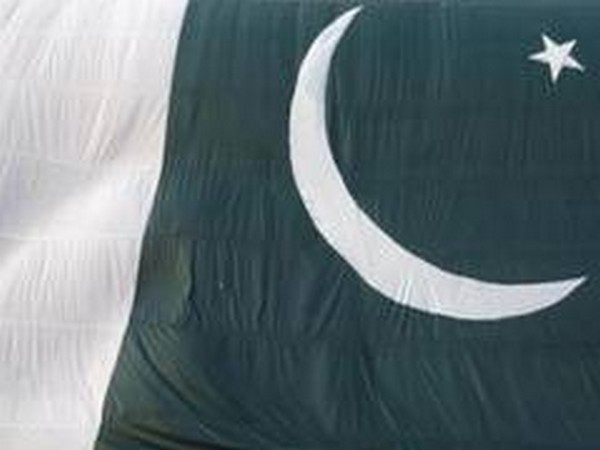
Representative image

Karachi [Pakistan], July 7 (ANI): Pakistan's public debt has increased by over eight per cent in 11 months of the fiscal year ended in June due to increased government borrowing to meet the spending requirements during the COVID-19 pandemic according to government data.
The central bank data on Monday (July 5) revealed that Pakistan's public debt had increased by Rs 2.89 trillion or 8.23 per cent in 11 months of the fiscal year ended June 30, reported The News International.
The central government's debt stood at Rs 37.997 trillion at the end of May 2021. The debt amounted to Rs 35.107 trillion in the period ended June 2020.
The debt increased by 10.17 per cent year-on-year in May. It was Rs 34.489 trillion in the period ended May 31, 2020.
Fiscal Responsibility and Debt Limitation (FRDL) Act 2005 defines "Total Public Debt" as debt owed by the government (including federal government and provincial governments) serviced out of consolidated fund and debts owed to the International Monetary Fund.
Rise in public debt is largely driven by the government's domestic borrowing that has increased 11.95 per cent to Rs 26.065 trillion. Foreign debt was almost flat at Rs 11.931 trillion.
SBP's data showed that government securities such as the market treasury bills (MTBs), Pakistan Investment Bonds (PIBs), and Ijara Sukuk (Islamic bonds) remained the preferred choice of borrowing within domestic debt. The major portion of borrowing from domestic sources was carried out through medium- to long-term debt instruments.
Imran Khan-led Pakistan government has allocated Rs 900 billion for the federal public sector development programme in fiscal year of 2022, 38 per cent up from last year. There is a need to contain the budget deficit, targeted at Rs 3.420 trillion or 6.3 per cent of GDP this fiscal year, compared with revised estimate of Rs 3.195 trillion or 7 per cent for fiscal year 2021.
Analysts predict the budget deficit to be in the range of 7.0-7.5 per cent in fiscal year 2022, where part of the shortfall would be covered by cut in expenditures, both current and development. The primary deficit is expected to be in the range of 1.0-1.5 per cent.
The Pakistan outlet claims in its official report that increased level of external inflows from multilateral and bilateral development partners is indicative of their confidence in development priorities and policies of the government, including implementation of reforms in the priority areas of fiscal and debt management, energy sector and ease of doing business. (ANI)


Get the App

What to Read Next

Europe

Blasphemy laws in Pakistan target religious minorities: GHRD

Blasphemy laws in Pakistan target religious minorities: GHRD

At the 61st session of the United Nations Human Rights Council, the organisation Global Human Rights Defence (GHRD) raised concerns over the continued misuse of blasphemy laws in Pakistan and their impact on religious minorities.

Read More
Asia

MEA rejects Pakistan’s statement on India-Canada deal

MEA rejects Pakistan’s statement on India-Canada deal

"We reject this statement made by Pakistan on the matter. India's credentials regarding non-proliferation are impeccable and well recognised by the global community. A country with a well-documented history of clandestine nuclear proliferation can hardly preach the virtues of export controls and proliferation risks. Such ludicrous statements are nothing more than an attempt by Pakistan to distract from its own abysmal record," he said.

Read More
Asia

India rejects Pakistan's "baseless allegations"

India rejects Pakistan's

India on Thursday rejected Pakistan's allegations of aggravating skirmishes with Afghanistan, calling them "baseless" and accusing Pakistan of blaming others for its own misdeeds.

Read More
Asia

Policy delays leave Pakistan short of critical medicines

Policy delays leave Pakistan short of critical medicines

Pakistan faces a severe shortage of life-saving medicines, including cancer drugs and vaccines, due to government delays in notifying official prices. While global supply remains stable, regulatory hurdles have stalled legal imports, raising concerns over patient survival and the potential rise of unregulated, counterfeit medicines.

Read More
Asia

Pakistan’s outdated mandi system stifles agricultural innovation

Pakistan’s outdated mandi system stifles agricultural innovation

Pakistan's fruit and vegetable supply remains dominated by traditional middlemen and the "mandi" system, with digital platforms handling only 2-3% of trade. Restrictive provincial laws and lack of infrastructure force farmers into dependency on commission agents, stalling modern technological transformation in the agricultural sector.

Read More
Home About Us Our Products Advertise Contact Us Terms & Condition Privacy Policy

Copyright © aninews.in | All Rights Reserved.


