Pakistan's July inflation rises to 4.1 pc amid fuel, food price hikes
Pakistan's inflation surged to 4.1 per cent in July, driven primarily by rising costs of non-perishable food items and the Pakistani government-administered increases in energy tariffs, The Express Tribune reported. While still within the country's Finance Ministry's projected range of 3.5 per cent to 4.5 per cent, the increase reflects deepening cost-of-living pressures on ordinary Pakistani citizens.
ANI
Aug 02, 2025 23:57 IST


Islamabad [Pakistan], August 2 (ANI): Pakistan's inflation surged to 4.1 per cent in July, driven primarily by rising costs of non-perishable food items and the Pakistani government-administered increases in energy tariffs, The Express Tribune reported.
Data released by the Pakistan Bureau of Statistics (PBS) on Friday shows this is the highest inflation rate since December last year. More concerning is the sharp 2.9 per cent month-on-month increase, the steepest in over two years, signalling renewed inflationary stress at the very start of the new fiscal year 2025-26, The Express Tribune reported.
The situation has been worsened by Islamabad's rigid monetary stance. Despite inflation dropping below the policy interest rate--currently held at a steep 11 per cent--the central bank continues to resist calls for rate cuts. This stance has largely favoured commercial banks while stifling private sector borrowing and piling pressure on a government already spending nearly half its budget, PKR 8.2 trillion, just to service debt, The Express Tribune reported.
The State Bank of Pakistan (SBP) justified its position by citing further expected increases in gas and electricity prices and a rise in motor fuel">fuel rates.
However, critics argue the central bank's lack of responsiveness is harming economic recovery, especially when the government's own inflation target for the year stands at a modest 7.5 per cent, leaving considerable room to lower interest rates, The Express Tribune reported.
In urban areas, inflation climbed to 4.4 per cent, driven by non-perishable foods and energy costs. Rural inflation was lower at 3.5 per cent, but non-food inflation still surged across the country, reflecting growing costs in transport, utilities, and household essentials.
Core inflation, excluding food and energy, was relatively stable in cities at 7 per cent, but dropped significantly to 8.1 per cent in rural regions, indicating uneven inflationary pressures, The Express Tribune reported.
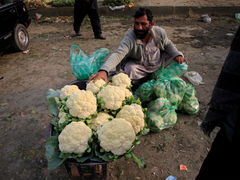
Meanwhile, food insecurity concerns are deepening. Although perishable food prices declined, staple items such as sugar and pulses have seen steep increases. Sugar prices jumped 29.4 per cent year-on-year in July, with the government's controversial decision to allow exports of 765,000 metric tonnes drawing strong criticism. The PBS reported average sugar prices at PKR 179 per kg, peaking at PKR 190, The Express Tribune reported.
The Pakistani Auditor General told parliament this week that sugar mills earned an unjustified windfall of PKR 300 billion from the export deal, raising serious concerns over policy mismanagement and cronyism.
In the non-food sector, motor vehicle taxes rose by an eye-watering 169 per cent, while gas and water supply costs also surged at 23 per cent and 14 per cent, respectively, as reported by The Express Tribune.
These figures underline the government's reliance on indirect taxation and price hikes to manage fiscal deficits, often at the cost of the public's financial well-being.
Despite claims of stabilisation ahead, many view the government's handling of inflation and monetary policy as disconnected from the economic realities faced by most Pakistanis. (ANI)
Get the App