

ADD ANI AS A TRUSTED SOURCE
googleads
Menu
Asia

Pakistan's economy bears additional burden from circular debt of power sector amid financial challenges

Islamabad [Pakistan], February 12 (ANI): The Imran Khan government like its predecessors has not been able to stop Pakistan's power sector from continuously bleeding cash as the country's circular debt of the power sector has been gathering girth since 2007, and to date, all the regimes that followed fell on their rusty swords trying to slay this monster, reported local media.

ANI Feb 12, 2022 20:13 IST googleads

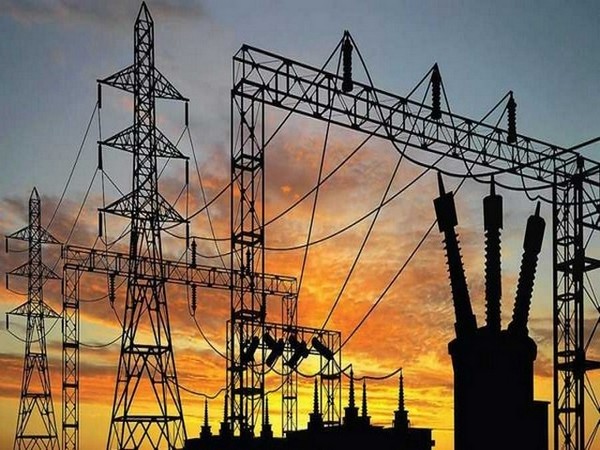
Representative image

Islamabad [Pakistan], February 12 (ANI): The Imran Khan government like its predecessors has not been able to stop Pakistan's power sector from continuously bleeding cash as the country's circular debt of the power sector has been gathering girth since 2007, and to date, all the regimes that followed fell on their rusty swords trying to slay this monster, reported local media.
The current government is no exception as it also has been unable to stop the power sector -- one of the most stymieing burdens on the country's economy -- from continuously bleeding cash as a result of it. The elimination of this monster requires in-depth analysis to ascertain its exact causes before fixing it once and for all. There's a gap between the cost of power generation and full recovery of revenues because of different inefficiencies in the power sector, reported The News International.
The National Electric Power Regulatory Authority (NEPRA), the regulator, has allowed 17 per cent losses as part of the tariff structure; losses beyond 17 per cent become part of the circular debt. The average line losses stand at 25-30 per cent on account of different heads, which ultimately become part of the circular debt, said the Pakistani publication.
The recent power tariff hike is the most worrisome measure to fix the issue.
Pakistan's governments have mostly failed to undertake much-needed structural reforms that require curtailing leakages and improving efficiency with strong governance. Without creating an overall competitive market, Pakistan's power-sector issues cannot be fixed, according to The News International. (ANI)

Get the App

What to Read Next

Europe

Blasphemy laws in Pakistan target religious minorities: GHRD

Blasphemy laws in Pakistan target religious minorities: GHRD

At the 61st session of the United Nations Human Rights Council, the organisation Global Human Rights Defence (GHRD) raised concerns over the continued misuse of blasphemy laws in Pakistan and their impact on religious minorities.

Read More
Asia

MEA rejects Pakistan’s statement on India-Canada deal

MEA rejects Pakistan’s statement on India-Canada deal

"We reject this statement made by Pakistan on the matter. India's credentials regarding non-proliferation are impeccable and well recognised by the global community. A country with a well-documented history of clandestine nuclear proliferation can hardly preach the virtues of export controls and proliferation risks. Such ludicrous statements are nothing more than an attempt by Pakistan to distract from its own abysmal record," he said.

Read More
Asia

India rejects Pakistan's "baseless allegations"

India rejects Pakistan's

India on Thursday rejected Pakistan's allegations of aggravating skirmishes with Afghanistan, calling them "baseless" and accusing Pakistan of blaming others for its own misdeeds.

Read More
Asia

Policy delays leave Pakistan short of critical medicines

Policy delays leave Pakistan short of critical medicines

Pakistan faces a severe shortage of life-saving medicines, including cancer drugs and vaccines, due to government delays in notifying official prices. While global supply remains stable, regulatory hurdles have stalled legal imports, raising concerns over patient survival and the potential rise of unregulated, counterfeit medicines.

Read More
Asia

Pakistan’s outdated mandi system stifles agricultural innovation

Pakistan’s outdated mandi system stifles agricultural innovation

Pakistan's fruit and vegetable supply remains dominated by traditional middlemen and the "mandi" system, with digital platforms handling only 2-3% of trade. Restrictive provincial laws and lack of infrastructure force farmers into dependency on commission agents, stalling modern technological transformation in the agricultural sector.

Read More
Home About Us Our Products Advertise Contact Us Terms & Condition Privacy Policy

Copyright © aninews.in | All Rights Reserved.


