

ADD ANI AS A TRUSTED SOURCE
googleads
Menu
Asia

Pakistan’s debt, liabilities soar to Rs 56.21 trillion in FY23

Pakistan’s total debt and liabilities have risen by 29 per cent to Rs 56.21 trillion in the fiscal year that ended on June 30, the country’s central bank said on Wednesday. This comes as the government borrowed heavily to finance its spending requirements, as per Dawn.

ANI Aug 17, 2023 20:36 IST googleads

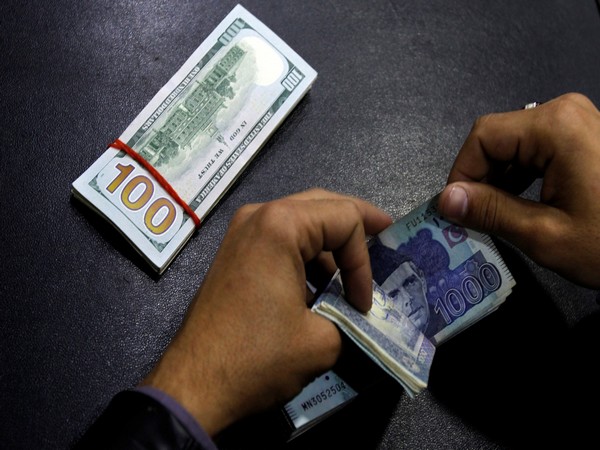
Representative Image

Islamabad [Pakistan], August 17 (ANI): Pakistan’s total debt and liabilities have risen by 29 per cent to Rs 56.21 trillion in the fiscal year that ended on June 30, the country’s central bank said on Wednesday. This comes as the government borrowed heavily to finance its spending requirements, as per Dawn.
Dawn is a Pakistani English-language newspaper.
Pakistan’s debt and liabilities at the end of the last fiscal year, including domestic and foreign, totalled Rs 77.104 trillion, up from Rs 59.772 trillion the year before.
The State Bank of Pakistan (SBP) data shows that in the fiscal year 2022/2023, the total debt and liabilities as a percentage of GDP increased to 91.1 per cent from 89.7 per cent in the previous year, as per Dawn.
The nation’s debt rose 28.4 per cent to Rs 72.991 trillion, while the liabilities increased 34.6 per cent to Rs 4.587 trillion in FY2023.
To finance its expanding budget deficit and to cover the cost of repaying its domestic debt, the last Pakistan Democratic Movement government borrowed heavily from domestic sources, namely commercial banks.
As per Dawn, because the International Monetary Fund loan programme was suspended and there were no inflows of foreign currency through bilateral and multilateral channels, the government was forced to rely significantly on domestic borrowing, which increased its stockpile of debt.
The country’s domestic debt, as a result, increased by 25 per cent to Rs 38.808 trillion in FY2023.
The Pakistan government borrows funds from commercial lenders, multilateral institutions, the Paris Club, and international financial institutions to meet budget deficits, finance the current account gaps, and build up foreign exchange reserves.
A steep decline in the value of the local currency, however, caused the amount of foreign debt to rise, reaching Rs 32.495 trillion in FY2023 as opposed to Rs 24.358 trillion in FY2022. The rupee's value fell by 41 per cent during the last fiscal year. It traded at 286 per dollar in FY2023, down from 204 in the previous year.
The total debt and liability servicing rose 76 per cent to Rs 9.819 trillion in FY2023. The interest payments on debt rose to Rs 5.935 trillion from Rs 3.331 trillion, according to Dawn.
The pressure on domestic funding is increasing as a result of the bigger budget deficit and the absence of significant foreign inflows. (ANI)


Get the App

What to Read Next

Europe

Blasphemy laws in Pakistan target religious minorities: GHRD

Blasphemy laws in Pakistan target religious minorities: GHRD

At the 61st session of the United Nations Human Rights Council, the organisation Global Human Rights Defence (GHRD) raised concerns over the continued misuse of blasphemy laws in Pakistan and their impact on religious minorities.

Read More
Asia

MEA rejects Pakistan’s statement on India-Canada deal

MEA rejects Pakistan’s statement on India-Canada deal

"We reject this statement made by Pakistan on the matter. India's credentials regarding non-proliferation are impeccable and well recognised by the global community. A country with a well-documented history of clandestine nuclear proliferation can hardly preach the virtues of export controls and proliferation risks. Such ludicrous statements are nothing more than an attempt by Pakistan to distract from its own abysmal record," he said.

Read More
Asia

India rejects Pakistan's "baseless allegations"

India rejects Pakistan's

India on Thursday rejected Pakistan's allegations of aggravating skirmishes with Afghanistan, calling them "baseless" and accusing Pakistan of blaming others for its own misdeeds.

Read More
Asia

Policy delays leave Pakistan short of critical medicines

Policy delays leave Pakistan short of critical medicines

Pakistan faces a severe shortage of life-saving medicines, including cancer drugs and vaccines, due to government delays in notifying official prices. While global supply remains stable, regulatory hurdles have stalled legal imports, raising concerns over patient survival and the potential rise of unregulated, counterfeit medicines.

Read More
Asia

Pakistan’s outdated mandi system stifles agricultural innovation

Pakistan’s outdated mandi system stifles agricultural innovation

Pakistan's fruit and vegetable supply remains dominated by traditional middlemen and the "mandi" system, with digital platforms handling only 2-3% of trade. Restrictive provincial laws and lack of infrastructure force farmers into dependency on commission agents, stalling modern technological transformation in the agricultural sector.

Read More
Home About Us Our Products Advertise Contact Us Terms & Condition Privacy Policy

Copyright © aninews.in | All Rights Reserved.
