Pakistan's cost-of-living crisis forces families to spend two-thirds on survival
Pakistan's latest household survey shows families now spend nearly two-thirds of their income on food and utilities due to high inflation. Spending on education and health has sharply declined, while reliance on remittances has increased, highlighting rising inequality and shrinking purchasing power.
ANI
Jan 03, 2026 15:16 IST

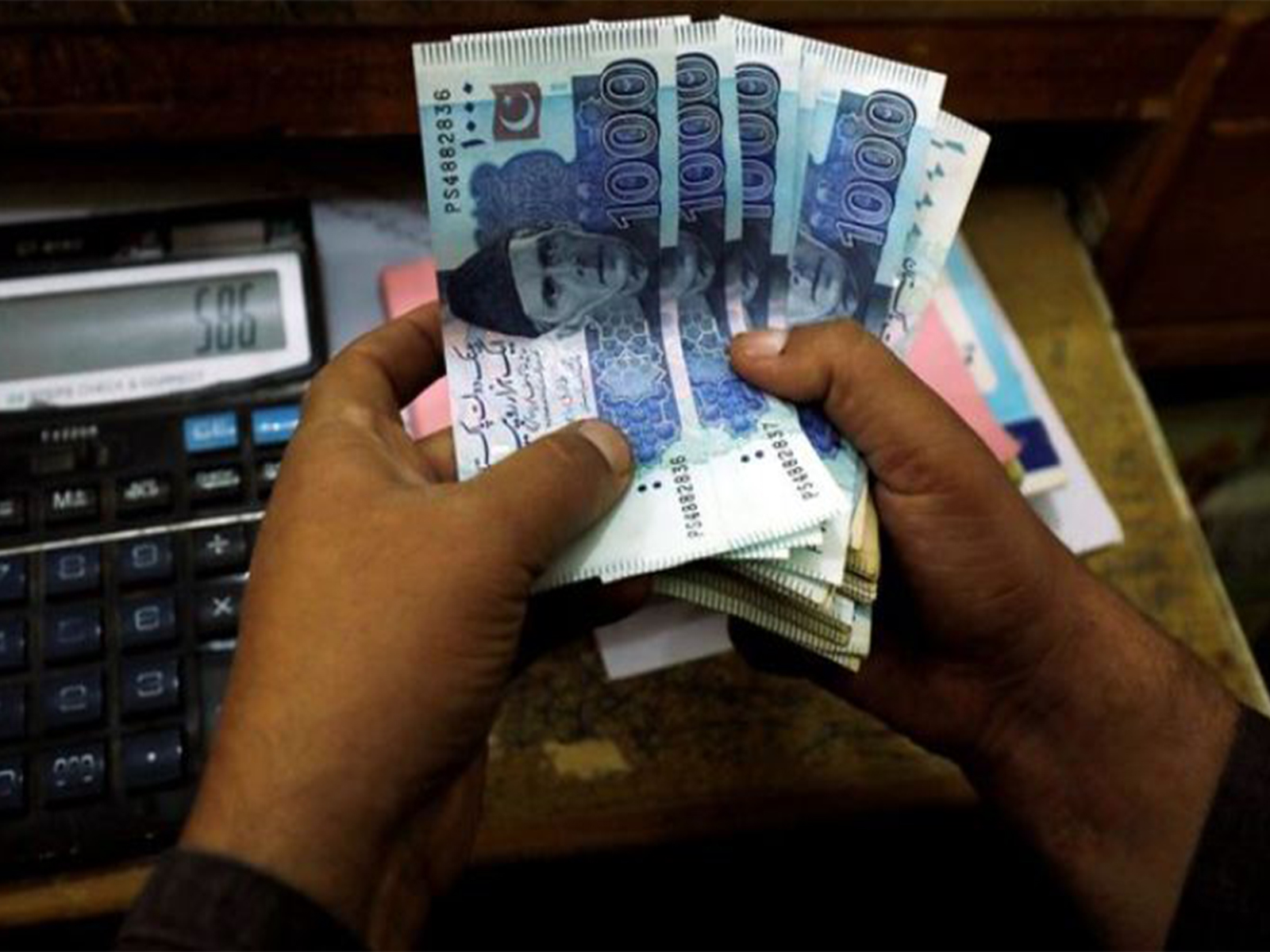
Islamabad [Pakistan], January 3 (ANI): Pakistan's deepening economic crisis is pushing households to the brink, with families now spending nearly two-thirds of their income on necessities such as food and electricity. This leaves little room for education, health or long-term well-being, according to a new government survey reported by The Express Tribune.
According to The Express Tribune, the Household Integrated Economic Survey 2024-25, released this week, paints a stark picture of how inflation and economic mismanagement have reshaped household priorities.
Expenditures are rising faster than incomes due to sustained price pressures, higher utility tariffs and an overall increase in the cost of living.
The survey shows that Pakistani households now allocate around 63 per cent of their total spending to just two heads: food and housing-related costs, including electricity and gas.
Food alone accounts for 37 per cent of household expenditure, while housing and utilities consume another 26 per cent. This growing concentration on survival expenses reflects the crushing impact of double-digit inflation.
One of the most alarming findings is the sharp decline in spending on education. Households now spend only 2.5 per cent of their budgets on education, less than half of what they spend on housing and utilities.
Combined spending on education, health and recreation remains stuck at just 7 per cent, raising serious concerns about human development.
The survey also highlights a growing dependence on foreign remittances and informal assistance. The share of remittances in household income has risen to nearly 8 per cent, up from less than 5 per cent six years ago, while gifts and external assistance have more than doubled.
Rural households, facing fewer employment opportunities, rely even more heavily on remittances, a trend experts describe as a symptom of a shrinking domestic economy, as cited by The Express Tribune.
Although average monthly incomes have increased over the past six years, rising from about PKR 41,500 to over PKR 82,000, spending has grown at an even faster pace.
Consumption expenditures have surged by roughly 19 per cent per year, outpacing income growth and eroding purchasing power. Income inequality has also widened sharply, with the richest 20 per cent earning more than three times what the poorest quintile makes, The Express Tribune reported. (ANI)
Tags:
Get the App