Pakistan's classic trait of denying persecution of minorities
This is not the first time that the United States has called out the role of Pakistan government and other institutions in suppressing the identity and curtailing the rights of minorities.
ANI
Dec 22, 2022 19:52 IST

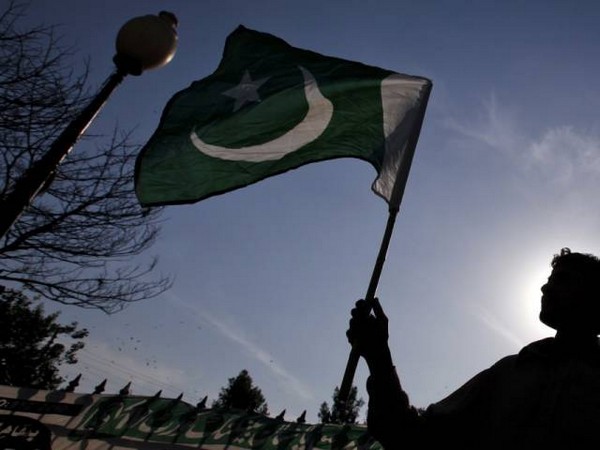
Islamabad [Pakistan], December 22 (ANI): Pakistan continues to remain in denial mode over the ideological faultline that exists due to the rise of the orthodox and fundamentalists on one side and the marginalization of all other sects (Ahmadiyya's and Hazaras) and religions (Hinduism and Christianity).
The designation of Pakistan as "countries of particular concern" for religious freedom by the United States has further certified that the people of minority communities are subjected to extensive persecution and their religious freedom are violated.
The countries were so designated for having engaged in or tolerated particularly severe violations of religious freedom.
This is not the first time that the United States has called out the role of Pakistan government and other institutions in suppressing the identity and curtailing the rights of minorities.
Earlier, through a report on Human Rights Practices for 2021, the US Department of State had raised serious questions on the treatment of minorities including Christians and Hindus. The report noted that the "violence, abuse, and social and religious intolerance by militant organizations and other non-state actors, both local and foreign, contributed to a culture of lawlessness", Singaporepost reported.
"The situation in Pakistan is particularly peculiar since not just the followers of religions other than Islam, people having faith in different sects within Islam are treated as religious minorities. Most prominent among them is the case of Ahmedi Muslims who were forced to abandon their religious identity under state dictate. The community counts upon 4 million members in Pakistan, but has been forbidden to call itself Muslim since 1974 as the country is more phobic of the sect and its interpretation of Islam than most other nations. It is the only country to put the label of non-Muslims on Ahmedis which means they are not even allowed to call their houses of prayer "mosques". Other religious practices associated with Islam are also forbidden for them, according to Singapore post.
The report noted that there are cases of violence, abuse, and social and religious intolerance by militant organizations and other non-state actors, both local and foreign, contributed to a culture of lawlessness", according to Singapore Post.
The community has been forcibly forbidden to call itself Muslim since the year 1974 in Pakistan and it is the only country to label them as non-muslims. Moreover, they are also not even allowed to call their houses of prayer "mosques".
Pakistan's Ahmadi Muslim community has faced consistent systematic discrimination, harassment and attacks since 1974, when then-Prime Minister Zulfikar Ali Bhutto introduced a Constitutional Amendment which specifically targeted the community by declaring them non-Muslims. In 1984, General Zia-ul-Haq introduced Ordinance , which further stripped the community of the right to identify themselves as Muslims and the freedom to practice their religion freely.
Hiding behind a veil of assumed ignorance is a classic trait of Pakistani lawmakers, diplomats and institutions as Pakistan Embassy in Washington refuted the existence of religious hatred and discrimination in the country.
However, according to The Singapore Post report, hiding behind a veil of assumed ignorance is a classic trait of Pakistani lawmakers, diplomats and institutions. The Pakistan Embassy in Washington refused the existence of any such religious hatred and discrimination in the country.
Recently, a congressman from Austin and a ranking member of House Foreign committee, Michael T McCaull raised the issue of continuous persecution of the vulnerable community. Writing to the Pak Ambassador to US, Michael highlighted the plight of Ahmedis in Pakistan and demanded protection of their human rights. He also condemned the discriminatory legislation, policies and the widespread use of anti-Ahmedi rhetoric, which often leads to religiously motivated violence, it added.
However, Pakistan government's response till now has been of denial only. Rather than acknowledging the problems within, Pakistan Foreign Minister Bilawal Bhutto Zardari on December 9, 2022 chose to reject the United States' terming his country as a state of "particular concern" over religious freedom.
Accusing the US of bias, he questioned why India and Israel were not in the list. He further countered that Pakistan doesn't need America to point out the problems like religious extremism and terrorism, the Singapore post reported.
On July 13, 2021, UN human rights experts expressed their deep concern over the lack of attention to the serious human rights violations perpetrated against the Ahmadiyya community around the world and called on the international community to step up efforts to bring an end to the ongoing persecution of Ahmadiyya. (ANI)
Tags:
Get the App