Pakistan's caretaker govt used threats, abuse, and detention to coerce Afghans: Report
Pakistan's caretaker government clamped down on dissenting media, the political opposition, and nongovernmental organisations in 2023, Human Rights Watch said in its World Report 2024 on Wednesday.
ANI
Jan 12, 2024 06:32 IST

Islamabad [Pakistan], January 12 (ANI): Pakistan's caretaker government clamped down on dissenting media, the political opposition, and nongovernmental organisations in 2023, Human Rights Watch said in its World Report 2024 on Wednesday.
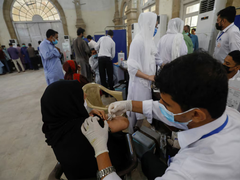
Amid one of Pakistan's worst economic crises in its history, the government's failure to ensure adequate social security jeopardised Pakistanis' rights to health, food, and an adequate standard of living. Mass deportations of undocumented Afghans, including those with refugee claims, occurred without safeguards to protect them against police abuses.
"The Pakistani government has failed to take adequate measures to assist the millions of Pakistanis who have been pushed into poverty this past year," said Elaine Pearson, Asia director at Human Rights Watch. "The authorities appeared more focused on muzzling dissenting voices than protecting the rights of everyone in Pakistan."
In the 740-page World Report 2024, its 34th edition, Human Rights Watch reviews human rights practices in more than 100 countries. In her introductory essay, Executive Director Tirana Hassan says that 2023 was a consequential year not only for human rights suppression and wartime atrocities but also for selective government outrage and transactional diplomacy that carried profound costs for the rights of those not in on the deal. But she says there were also signs of hope, showing the possibility of a different path, and calls on governments to consistently uphold their human rights obligations.
The Pakistani authorities increased pressure on media outlets for perceived criticism of the government. Journalists reported government intimidation, harassment, and surveillance. The government used laws regulating international organisations to impede the registration and functioning of humanitarian and human rights groups. On May 11, journalist Imran Riaz Khan was arrested as he was attempting to take a flight to Oman and detained arbitrarily for four months before being released without charge in September.
After protesters carried out violent attacks on military facilities on May 9, the government cracked down on members and supporters of opposition political parties. Lawyers and rights groups alleged that the authorities denied due process and fair trial rights to opposition leaders and activists who were arrested on allegations of corruption and rioting.
Some politicians and journalists were charged under Pakistan's vague and overly broad sedition law, based on colonial-era legislation, and dozens were tried in military courts in violation of international law.
In March, the Lahore High Court declared the sedition law unconstitutional, but the government appealed the decisions and the law remained in force. In August, Imaan Mazari-Hazir, a lawyer and a political activist, was charged with sedition for a speech he gave in Islamabad.
The report read, "The government failed to amend or repeal blasphemy law provisions that provide a pretext for violence against religious minorities, as well as arbitrary arrests and prosecution. In August, several hundred people attacked a Christian settlement in Faisalabad district, Punjab province, after two members of the community were accused of committing "blasphemy." The mob, armed with stones and sticks, vandalised several churches, dozens of houses, and a cemetery."
The report said that the Pakistan government used threats, abuse, and detention to coerce Afghans without legal status to return to Afghanistan or face deportation by November 1. By December, more than 327,000 Afghans had been expelled, among them tens of thousands of refugees and asylum seekers. (ANI)
Tags:
Get the App