Pakistan’s nutrition crisis deepens as policy gaps keep private sector on sidelines
At a recent Islamabad conference reported by Dawn, experts warned that Pakistan's nutrition crisis is aggravated by weak policies and high taxes on packaged milk. Speakers urged stronger public-private partnerships, safe milk legislation, and targeted nutritional initiatives to improve public health and economic outcomes.
ANI
Sep 03, 2026 16:18 IST


Islamabad [Pakistan], September 3 (ANI): Pakistan’s worsening nutrition crisis is being compounded by weak policy coordination and inconsistent government measures, limiting the private sector’s ability to contribute meaningfully to improving food and nutrition outcomes, speakers told a conference, as reported by Dawn.
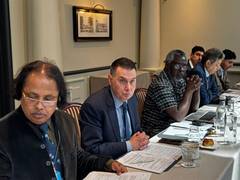
According to Dawn, participants at the session titled “Mobilising Private Capital and Partnerships”, held during the “Act For Nutrition: The Emergency We Can No Longer Ignore” conference, called for stronger cooperation between the government, businesses and development partners to tackle malnutrition.
Tetra Pak Corporate Affairs Director Noor Aftab said food systems should be regarded as essential infrastructure because they affect both public health and the wider economy.
He pointed out that although Pakistan is among the world's major milk producers, the country still lacks effective legislation governing safe milk and pasteurisation.
Aftab also criticised the 18 per cent GST imposed on packaged milk, describing it as exceptionally high globally and arguing that the tax burden had been introduced after substantial private investment in the dairy sector.
He also highlighted school milk programmes operating in 104 countries as a potential model for Pakistan.
Bangladesh’s experience was presented as evidence that nutrition spending can deliver economic benefits.
Reza Sumon said anaemia among government-sector workers fell from 51.9 per cent to 32 per cent following interventions involving fortified food and iron and folic acid supplements.
Private companies subsequently invested USD 10 million in workplace nutrition, while absenteeism reportedly declined from 70 per cent to 40 per cent.
Agriculture consultant Hasan Khurrum Hanif said Pakistani farmers required stronger market demand and financial incentives to produce nutrient-rich crops, as highlighted by Dawn.
English Biscuit Manufacturers’ Attiyah Inaam Khan also described a five-year initiative involving fortified biscuits for mothers, saying participants recorded improved iron levels and their children demonstrated stronger cognitive development.
Speakers separately warned that Pakistan had launched virtually no new multisectoral nutrition programmes over the past decade apart from the Benazir Nashonuma Programme, as reported by Dawn. (ANI)
Tags:
Get the App