Pakistan: Tablighi Jamaat's grip on Khyber Pakhtunkhwa fuels concerns of radicalisation
The rise of the Tablighi Jamaat in Pakistan's Khyber Pakhtunkhwa is changing Pashtun culture, promoting strict religious rules, and preparing followers for extremism. Critics say it weakens Pashtun identity and nationalism, helping the Pakistani state control the region and support Islamist groups like the Taliban.
ANI
Aug 09, 2025 14:42 IST

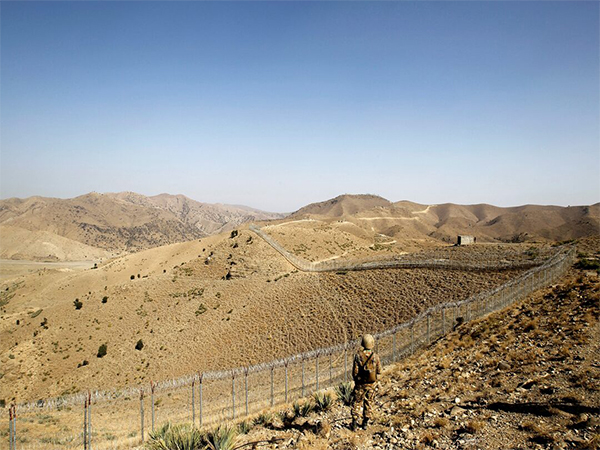
Khyber Pakhtunkhwa [Pakistan], August 9 (ANI): The rise of the Tablighi Jamaat in Pakistan's northwestern Khyber Pakhtunkhwa province is sparking fears of cultural erosion and the steady grooming of recruits for radical movements. As reported by Himal Southasian, many Pashtuns say the orthodox Deobandi missionary group is dismantling traditional practices while quietly laying the ideological groundwork for extremism.
In Bajaur district, a young resident told Himal Southasian that "men and women used to dress fashionably, enjoy music, watch television, visit shrines, and play sports without being judged." Today, he said, the Tablighi Jamaat's puritanical preaching has transformed local life. Activities once central to Pashtun culture are now branded as sinful. "It has changed the cultural landscape drastically," he warned, noting that while the group does not directly preach violence, it produces "raw human resources that can be easily turned into jihadists."
Founded in colonial India in 1926, the Tablighi Jamaat is now a global organisation with millions of followers. In Pakistan, its headquarters in Raiwind, Punjab, commands vast influence. According to Himal Southasian, Khyber Pakhtunkhwa has become one of the movement's most fertile grounds, with the group leveraging its "quietist" image to avoid official scrutiny while embedding Deobandi orthodoxy deep into Pashtun society.
The group's impact is most visible in cultural change. Himal Southasian documents how shrines, folk music, mixed-gender dances, and colourful traditional clothing are being replaced by conservative dress codes and rigid segregation. A North Waziristan academic described the Jamaat as "the root of evil... laying the ideological groundwork for the future Taliban" and importing an "Arab culture" that dismisses Pashtun identity.
While the Tablighi Jamaat insists it is apolitical and non-violent, Himal Southasian reports that it shares the sectarian orientation of groups such as the Tehreek-i-Taliban Pakistan. Its close alignment with the Pakistan state's Islamisation project dates back to the 1980s, when military ruler Zia ul-Haq and the Inter-Services Intelligence (ISI) used Deobandi networks - including Tablighi circles - to recruit Pashtun fighters for the Afghan jihad against the Soviet Union. Former ISI chief Javed Nasir was himself a Tablighi Jamaat member.
Critics in Khyber Pakhtunkhwa told Himal Southasian that the group's influence has depoliticised Pashtun communities, discouraging discussion of exploitation or military abuses. This ideological shift, they argue, suits the Pakistani establishment, which has long used Islam as a tool for domestic control and foreign policy. A Peshawar lecturer warned that "Tablighis are making our people orthodox, helping Islamist sectarian groups" and turning them away from Pashtun nationalism and resistance to militancy.
The group's gatherings draw hundreds of thousands annually to Raiwind and regional centres. A businessperson from Khyber district told Himal Southasian that almost every household in the tribal areas now has a member. The Jamaat's appeal as a "peaceful" alternative to militant brutality has made it a mass movement - but one that critics say nurtures a mindset receptive to Taliban influence.
Perhaps most troubling, Himal Southasian notes, is the way the Tablighi Jamaat erodes ethnic identity in favour of pan-Islamic loyalty. This mirrors the Taliban's removal of Afghanistan's national flag in favour of the white shahada banner. "Extremism and war have taken away every good thing from us," a South Waziristan student lamented.
For Khyber Pakhtunkhwa's embattled Pashtuns, the rise of the Tablighi Jamaat represents more than religious revival - it signals Pakistan's ongoing project to reshape a proud, distinct culture into a pliant tool for its Islamist and geopolitical ambitions. As Himal Southasian's reporting makes clear, the consequences are already visible, and they reach far beyond the mosque walls. (ANI)
Get the App