Pakistan state structure is 'anti-people', unresponsive to voices of oppressed: Poet IA Rehman
Sindh [Pakistan], December 14 (ANI): Pakistan's constitutional state structure is "quite anti-people" and it is unresponsive to the voice of oppressed people of the country, Pakistani poet and human rights advocate, IA Rehman said, while adding that enforced disappearance and forceful conversion of girls from minorities to Islam are a "matter of great concern".
ANI
Dec 14, 2020 15:26 IST

Sindh [Pakistan], December 14 (ANI): Pakistan's constitutional state structure is "quite anti-people" and it is unresponsive to the voice of oppressed people of the country, Pakistani poet and human rights advocate, IA Rehman said, while adding that enforced disappearance and forceful conversion of girls from minorities to Islam are a "matter of great concern".
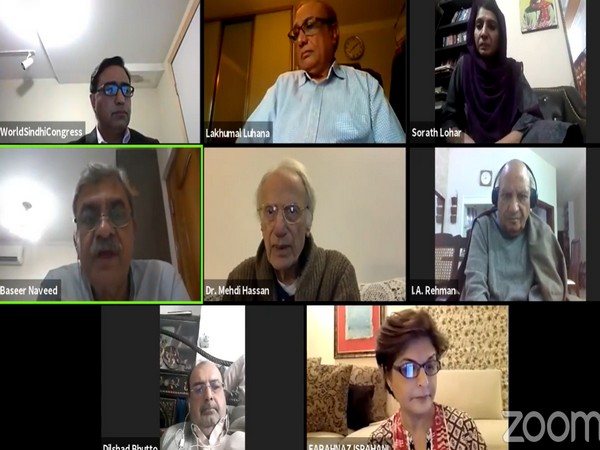
Speaking at a webinar organised by World Sindhi Congress (WSC) on Saturday, Rehman said that the situation in context to human rights is "far from satisfactory" in Pakistan but people have started speaking against the atrocities by the government.
The webinar was also attended by several human rights advocates including Rights activist Baseer Naveed, Convenor of VMP Sindh Forum Sorath Lohar, and activist Dilshad Bhutto.
"Unfortunately, the state structure is quite anti-people. It is not responsive to the voice of oppressed people. Some of the chronic problems are enforced disappearances. People disappear and their dead bodies are found on the roadside. It is a serious problem in Pakistan and the state has not responded to it," he said.
"We can say that minorities are doing all right but the fact is they are not. Forced conversion, abduction of minorities' girls, and conversion to Islam are being done. The Justice Department is not in a position to address the people's problem. This is a matter of serious concern to all human rights activist s that we have not been able to check forced conversion in the Sindh, Balochistan," he added.
Pakistan's establishment has been long criticised over its practice of enforced disappearances and extrajudicial killings by International bodies and local human rights organisations that dare to speak out on the issue.
According to the Commission of Inquiry on Enforced Disappearances, an entity established by the Pakistani government, around 5,000 cases of enforced disappearances of the Baloch people have been registered since 2014. Most of them, however, remain unresolved so far.
Independent local and international human rights organisations put the numbers much higher. Around 20,000 have reportedly been abducted only from Balochistan, out of which more than 2,500 have turned up dead as bullet-riddled dead bodies, bearing signs of extreme torture.
Naveed said that the "impunity" is "very high in Sindh" as Pakistan Army and Rangers have seized the region due to which government and administration can not function.
"The army is ruling in Sindh and it is not allowing all law and order to establish here. The government and administration are useless as the region is seized by the Army and the rangers. Impunity is very high in Sindh," he said.
According to the Commission of Inquiry on Enforced Disappearances, an entity established by the Pakistani government, around 5,000 cases of enforced disappearances of the Baloch people have been registered since 2014. Most of them, however, remain unresolved so far.
Independent local and international human rights organisations put the numbers much higher. Around 20,000 have reportedly been abducted only from Balochistan, out of which more than 2,500 have turned up dead as bullet-riddled dead bodies, bearing signs of extreme torture.
Before being elected as Prime Minister, Imran Khan had admitted in multiple TV interviews the involvement of Pakistan's intelligence agencies in enforced disappearances and extrajudicial killings and vowed to resign if he was unable to put an end to the practice, holding those involved responsible. (ANI)
Get the App