Pakistan Senator Tahir Bizenjo criticises Parliament's failure to address issue of forced disappearances in Balochistan
In a statement, National Party member highlighted the procedural disruptions in the upper house that have hindered meaningful debate on this crucial human rights issue.
ANI
Dec 31, 2023 23:21 IST

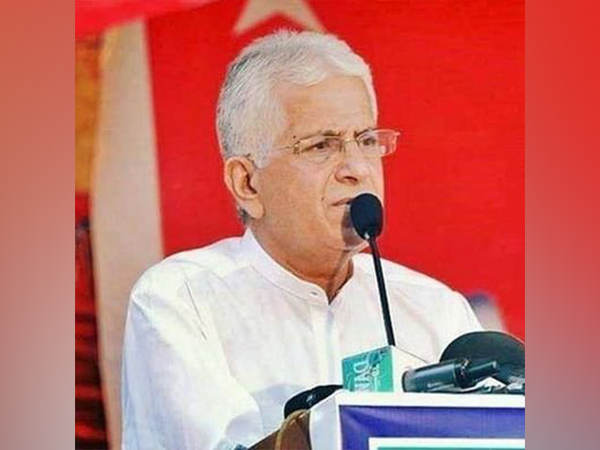
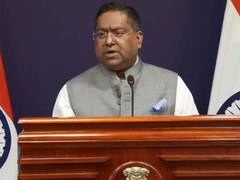
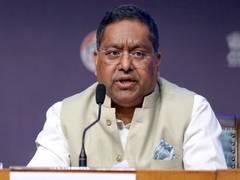
Balochistan [Pakistan], December 31 (ANI): Member of Pakistan's Senate, Tahir Bizenjo, has criticised the Pakistani Parliament's failure to address the ongoing issue of forced disappearances in Balochistan, The Balochistan Post reported.
In a statement, National Party member highlighted the procedural disruptions in the upper house, which have hindered meaningful debate on this crucial human rights issue. He said that a quorum issue was raised during the latest session of Parliament to avoid discussion on the sensitive issue, according to The Balochistan Post report.
He stated, "This is the House of Federation, where we should be able to discuss such important issues," and emphasised that the avoidance of this issue compromises the Parliament's integrity and purpose.
Emphasising the seriousness of the situation in Balochistan, he talked about the suffering faced by families impacted by the disappearance of their loved ones. He spoke about the agony of mothers and sisters of missing Baloch individuals and stressed that this issue reflects a harsh reality that requires attention and resolution, not neglect, The Balochistan Post reported.
Tahir Bizenjo called on the Pakistani government to engage in constructive negotiations with the leaders of the Baloch Yakjehti Committee (BYC) to seek a resolution. He warned against the potential escalation of tensions and unrest in Balochistan if the situation is not addressed and highlighted the risk of ongoing sit-ins and demonstrations evolving into widespread chaos.
On December 29, the Baloch Yakjehti Committee (BYC), a prominent organiser of the Baloch protest march in Islamabad, has given a seven-day ultimatum to the Pakistan government for the fulfilment of their demands, including the "elimination of enforced disappearances and extrajudicial killings."
Mahrang Baloch, the face of the movement, outlined a series of demands during a press conference in Islamabad on Thursday. Mahrang called for a detailed investigation into rights violations in Balochistan, proposing the involvement of a UN Working Group.
The demands included signing an agreement, under the Working Group's auspices, for the elimination of "enforced disappearances and extrajudicial killings". She also demanded the release of all victims of enforced disappearances, restrictions on the Counter-Terrorism Department (CTD), and the elimination of "state-sponsored death squads".
Mahrang Baloch urged Pakistan's Ministry of Interior to "confess" the alleged deaths of disappeared persons in fake encounters, accompanied by an acknowledgement letter and a press conference naming all victims. She also called for the withdrawal of fake cases against peaceful protesters.
"If the state does not hold sincere negotiations on the above demands and does not show seriousness and if the treatment of the past week with protesters continues, then after seven days, the movement will express its disappointment with all state institutions against state policies of genocide and treating Balochistan like a colony and put its case before the Baloch people," she said.
The Baloch activist also emphasised that the state must demonstrate seriousness in ending human rights violations and illegal measures in Balochistan to prove its commitment to resolving the "Baloch genocide."
She alleged that the state tried to suppress the Baloch sit-in by using police and administration in the federal capital. While addressing the press conference, Baloch said, "The decision will be in the court of the Baloch people if the state is not ready to change its colonial mindset." She alleged that the Pakistan state is treating protesters "like enemies," and harassing the protestors during the night.
She also criticised a few elements from the journalistic community, alleging that "state personnel in the garb of journalism" attempted to create a false narrative.
"The whole of Balochistan is in the grip of state violence and barbarism currently and every day there seems to be an increase in this. When the state treats peaceful protesters like this in front of the global media, then you can understand what the state's behaviour is without the presence of the media or the internet," she also said.
The BYC's press conference took place after hundreds of participants in the long march were detained by the Islamabad police. The action of Islamabad police was condemned by human rights organisations, politicians, and the Islamabad High Court (IHC). (ANI)
Tags:
Get the App