

ADD ANI AS A TRUSTED SOURCE
googleads
Menu
Asia

Pakistan sees 28 per cent fall in tax payments by lawmakers

Islamabad [Pakistan], January 4 (ANI): On Monday, the Government of Pakistan made public the income details of the member of parliaments which revealed a mismatch between their income and the taxes they paid. It shows a 28% decline in the taxes paid by the lawmakers and disclosed that one in 10 legislators did not even file the tax returns in 2019.

ANI Jan 04, 2022 18:46 IST googleads

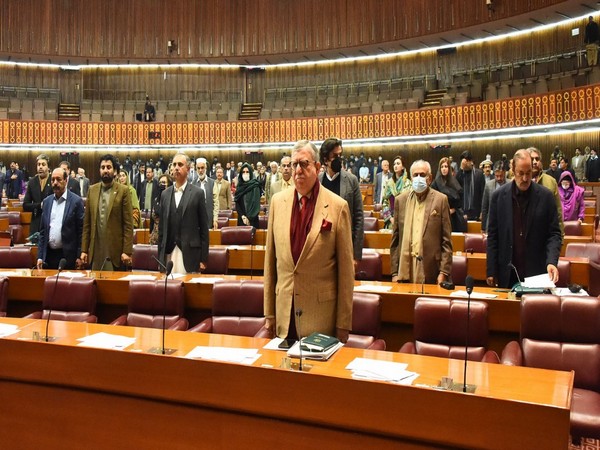
Representative Image

Islamabad [Pakistan], January 4 (ANI): On Monday, the Government of Pakistan made public the income details of the member of parliaments which revealed a mismatch between their income and the taxes they paid. It shows a 28% decline in the taxes paid by the lawmakers and disclosed that one in 10 legislators did not even file the tax returns in 2019.
In 2019, 392 members of both the Houses, the National Assembly, and the Senate, declared a cumulative income of Rs 11 billion but they paid a mere Rs 576 million in taxes. This means that the parliamentarians paid just 5.2% of their income which is way lower than the standard maximum tax rate of 35% for a salaried person, reported Tribune.
Notably, Pakistan introduced a legislation last week that exempts armed forces from such a disclosure.
Opposition leader Shehbaz Sharif's tax payments saw a decline from 2018 to 2019. Sharif, the president of Pakistan Muslim League-Nawaz (PML-N), paid Rs 8.242 million in the tax year 2019, compared to Rs 9.73 million in the previous tax year and Rs 10.29 million in 2017 -- a decline of 15.3 per cent, reported the Dawn. Imran Khan's tax payment increased during the period of 2018 to 2019.
The highest taxpayer among the parliamentarians is Pakistan Tehreek-i-Insaf (PTI)'s MNA Muhammad Najeeb Haroon who paid Rs 140.749 million in the tax year 2019.
This information was revealed in the seventh tax directory of parliamentarians, released by Finance Minister Shaukat Tarin on Monday at Federal Board of Revenue headquarters after a delay of more than two years. The directories for tax years 2020 and 2021 are still pending, reported the Dawn. (ANI)


Get the App

What to Read Next

Europe

Blasphemy laws in Pakistan target religious minorities: GHRD

Blasphemy laws in Pakistan target religious minorities: GHRD

At the 61st session of the United Nations Human Rights Council, the organisation Global Human Rights Defence (GHRD) raised concerns over the continued misuse of blasphemy laws in Pakistan and their impact on religious minorities.

Read More
Asia

MEA rejects Pakistan’s statement on India-Canada deal

MEA rejects Pakistan’s statement on India-Canada deal

"We reject this statement made by Pakistan on the matter. India's credentials regarding non-proliferation are impeccable and well recognised by the global community. A country with a well-documented history of clandestine nuclear proliferation can hardly preach the virtues of export controls and proliferation risks. Such ludicrous statements are nothing more than an attempt by Pakistan to distract from its own abysmal record," he said.

Read More
Asia

India rejects Pakistan's "baseless allegations"

India rejects Pakistan's

India on Thursday rejected Pakistan's allegations of aggravating skirmishes with Afghanistan, calling them "baseless" and accusing Pakistan of blaming others for its own misdeeds.

Read More
Asia

Policy delays leave Pakistan short of critical medicines

Policy delays leave Pakistan short of critical medicines

Pakistan faces a severe shortage of life-saving medicines, including cancer drugs and vaccines, due to government delays in notifying official prices. While global supply remains stable, regulatory hurdles have stalled legal imports, raising concerns over patient survival and the potential rise of unregulated, counterfeit medicines.

Read More
Asia

Pakistan’s outdated mandi system stifles agricultural innovation

Pakistan’s outdated mandi system stifles agricultural innovation

Pakistan's fruit and vegetable supply remains dominated by traditional middlemen and the "mandi" system, with digital platforms handling only 2-3% of trade. Restrictive provincial laws and lack of infrastructure force farmers into dependency on commission agents, stalling modern technological transformation in the agricultural sector.

Read More
Home About Us Our Products Advertise Contact Us Terms & Condition Privacy Policy

Copyright © aninews.in | All Rights Reserved.


