Pakistan media polarised, aligned towards political factions ahead of general elections
The recent polarisation has reached a point where opposing views or narratives are often dismissed on leading TV channels, diminishing the once-admired diversity of perspectives in famous TV talk shows.
ANI
Nov 13, 2023 18:22 IST

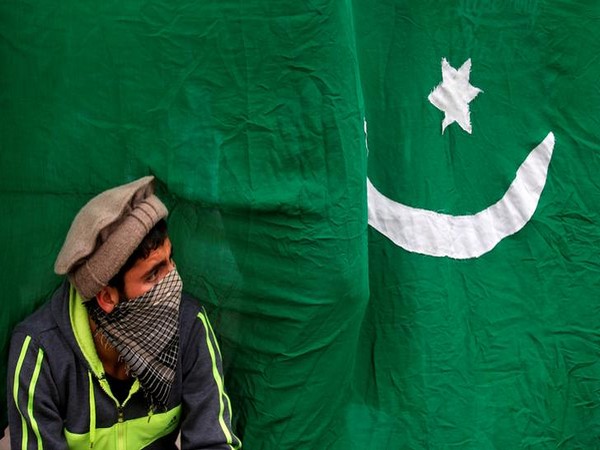
Lahore [Pakistan], November 13 (ANI): Ahead of the general elections in Pakistan, the media outlets in the country have been polarised, with a substantial number of media houses, TV anchors and analysts seemingly aligning themselves with various political factions, compromising their impartiality, objectivity and, consequently, the credibility of the media as a whole, The News International reported.
A report published on Sunday said that the recent polarisation has reached a point where opposing views or narratives are often dismissed on leading TV channels, diminishing the once-admired diversity of perspectives in famous TV talk shows.
Instances of talk shows hosted by opinionated anchors featuring one-sided panels and offering no counter-narrative, have raised concerns. Many in the broadcast fraternity agree in private conversations that such anchors have become aligned with political parties, thereby eroding the impartiality and objectivity that were once considered the defining value of the industry.
The News on Sunday recently broached the subject with some prominent figures from the TV fraternity.
As per The News International, in an interview with TNS, journalist Adil Shahzeb, who hosts a prime-time talk show, emphasised that the challenge extended beyond journalists and analysts. He said lack of tolerance for differences of opinion was a broader societal problem.
It reported quoting Shahzeb that for nearly four years, charged partisan politics had been driving everything, including the media, into further polarisation. Adil said that it was primarily political polarisation that had compelled TV channels, media outlets, and journalists working for them, with a few exceptions, to take unusual positions. He complained that additional pressure was brought to bear by some YouTubers who, according to him, thrive on sensationalism and gossip and have a clear liking for a particular party to garner millions of views.
Zarrar Khuhro, the host of another popular prime-time show, said that polarisation was running deep in society, along political, ethnic, religious and sectarian fault lines. The journalist said the apparent polarisation in the media was reflective of larger social divides. He also said that polarisation was proving to be 'commercially lucrative,' in that it was enabling channels to pitch content to a broader audience base and make profits often by aligning with a particular stance, even at the expense of journalistic freedom.
Fereeha M Idrees, yet another prime-time host, said that polarisation had indeed become the order of the day. She criticised the tendency to disengage with the other side of the story.
She also called on the journalists to be wary of labelling people without understanding, categorising without knowing, and speaking without listening.
Analyst Ameer Abbas was of the opinion that polarisation had always been a part and parcel of the Pakistani media. However, he claimed that now, it had risen to unprecedented levels.
Highlighting incidents of abuse and violence faced by journalists in the past, he cautioned against letting journalistic standards slip lower.
Journalist Kamal Siddiqi observed that some high-profile media persons were openly advocating against certain political parties. He noted that this trend could have serious implications for the role of media, as traditional journalists were striving to remain impartial but new media figures were taking pride in being associated with certain political leaders.
He warned that if the media continued to be perceived as partial, audiences may turn to non- traditional sources of news like social media platforms, leading to a loss of relevance for mainstream media.
Awais Hameed, a producer at a private media channel, said that differences of opinion played a pivotal role in a democratic society but polarisation was a threat to journalistic integrity. He also said that siding with a political party and disallowing airtime to the rival views was impacting viewership, The News International reported.
Journalist Shiffa Yousafzai, said that polarisation was affecting the media, "just as it is affecting politics. Some journalists seem to have lost the patience needed to hear out all viewpoints.
The News International reported that the criticism does not mean losing control of oneself." Yousafzai said that journalists could have different opinions so long as they were not reporting facts. "It is natural that people will have different views, even when they are reporting the same event," she said. The impact of polarisation on broadcast media can be far-reaching. It can affect the quality of journalism as well as the overall trust and viewership of traditional media outlets.
The challenge lies in finding a balance between diverse perspectives and maintaining the journalistic principles that have been the bedrock of the industry. The future of broadcast media in Pakistan may hinge on its ability to navigate these challenges and regain the trust of increasingly polarised audiences. (ANI)
Get the App