

ADD ANI AS A TRUSTED SOURCE
googleads
Menu
Asia

Pakistan: Karachi faces alarming rise in respiratory diseases

Karachi is witnessing a disturbing increase in respiratory diseases, as reported by the Sindh Health Department on Monday. According to ARY News, the Sindh Health Department has reported a troubling total of 248 cases of respiratory illnesses in Karachi as of February 13 this year.

ANI Feb 18, 2025 15:01 IST googleads

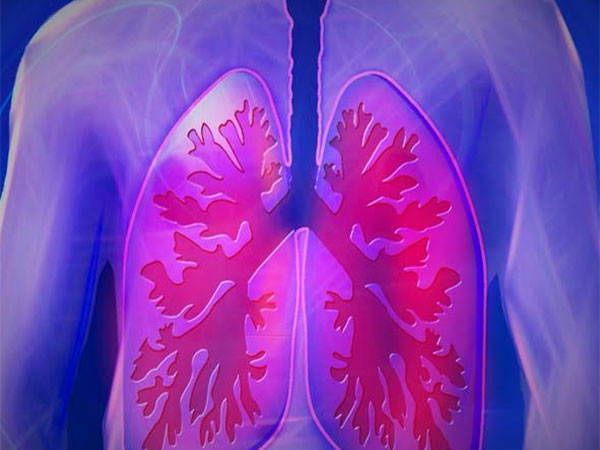
Representative Image (Photo/Reuters)

Karachi [Pakistan], February 18 (ANI): Karachi is witnessing a disturbing increase in respiratory diseases, as reported by the Sindh Health Department on Monday, as reported by ARY News.
The Sindh Health Department has reported a troubling total of 248 cases of respiratory illnesses in Karachi as of February 13 this year.
Among these cases, the highest number 119 were identified as H1N1 influenza, with many reported in hospitals across Karachi. Of these, 99 were detected in private hospitals, while 20 cases were found at Dow University Hospital, the health department confirmed, as reported by ARY News.
Additionally, the department's data reveals that 95 cases of Influenza A and B have been confirmed. Other respiratory infections causing concern include 8 cases of coronavirus, 15 cases of Rhinovirus, and 2 cases of Respiratory Syncytial Virus (RSV).
The report also highlighted that these statistics indicate a significant rise in respiratory infections compared to previous years.
As per reports, health experts have urged the citizens of Karachi to take immediate precautions. To avoid contracting the easily transmissible influenza virus, they strongly recommend wearing facemasks and regularly washing hands. Those who are infected are advised to stay home for at least 24 hours, limit contact with others, and avoid travelling to curb the spread of the virus.
Despite being a hub for economic and cultural activities, the city suffers from a severe lack of adequate healthcare facilities. Public hospitals are overcrowded, underfunded, and often lack essential medical supplies and equipment, leading to substandard care. Private hospitals are costly and inaccessible for a large portion of the population.
The growing population and increasing burden of diseases such as diabetes, heart disease, and infectious diseases place immense pressure on an already overstretched healthcare infrastructure.
As a result, many residents are forced to rely on informal healthcare providers, leading to health inequities and poor health outcomes across the city. (ANI)


Get the App

What to Read Next

Europe

Blasphemy laws in Pakistan target religious minorities: GHRD

Blasphemy laws in Pakistan target religious minorities: GHRD

At the 61st session of the United Nations Human Rights Council, the organisation Global Human Rights Defence (GHRD) raised concerns over the continued misuse of blasphemy laws in Pakistan and their impact on religious minorities.

Read More
Asia

MEA rejects Pakistan’s statement on India-Canada deal

MEA rejects Pakistan’s statement on India-Canada deal

"We reject this statement made by Pakistan on the matter. India's credentials regarding non-proliferation are impeccable and well recognised by the global community. A country with a well-documented history of clandestine nuclear proliferation can hardly preach the virtues of export controls and proliferation risks. Such ludicrous statements are nothing more than an attempt by Pakistan to distract from its own abysmal record," he said.

Read More
Asia

India rejects Pakistan's "baseless allegations"

India rejects Pakistan's

India on Thursday rejected Pakistan's allegations of aggravating skirmishes with Afghanistan, calling them "baseless" and accusing Pakistan of blaming others for its own misdeeds.

Read More
Asia

Policy delays leave Pakistan short of critical medicines

Policy delays leave Pakistan short of critical medicines

Pakistan faces a severe shortage of life-saving medicines, including cancer drugs and vaccines, due to government delays in notifying official prices. While global supply remains stable, regulatory hurdles have stalled legal imports, raising concerns over patient survival and the potential rise of unregulated, counterfeit medicines.

Read More
Asia

Pakistan’s outdated mandi system stifles agricultural innovation

Pakistan’s outdated mandi system stifles agricultural innovation

Pakistan's fruit and vegetable supply remains dominated by traditional middlemen and the "mandi" system, with digital platforms handling only 2-3% of trade. Restrictive provincial laws and lack of infrastructure force farmers into dependency on commission agents, stalling modern technological transformation in the agricultural sector.

Read More
Home About Us Our Products Advertise Contact Us Terms & Condition Privacy Policy

Copyright © aninews.in | All Rights Reserved.


