"Pakistan is sinking titanic": UKPNP leader says, rampant corruption, rights violations reasons behind PoJK violent protests
For several days, PoJK has witnessed violent clashes between protesters and Pakistani security forces. At least 10 people have been killed and many critically injured, Dawn reported. The unrest has prompted Pakistan's Prime Minister Shehbaz Sharif to dispatch an eight-member ministerial committee, including Rana Sanaullah, Ahsan Iqbal and PPP leader Raja Pervez Ashraf, to Muzaffarabad for talks with the civil society alliance leading the agitation.
ANI
Oct 03, 2025 13:13 IST

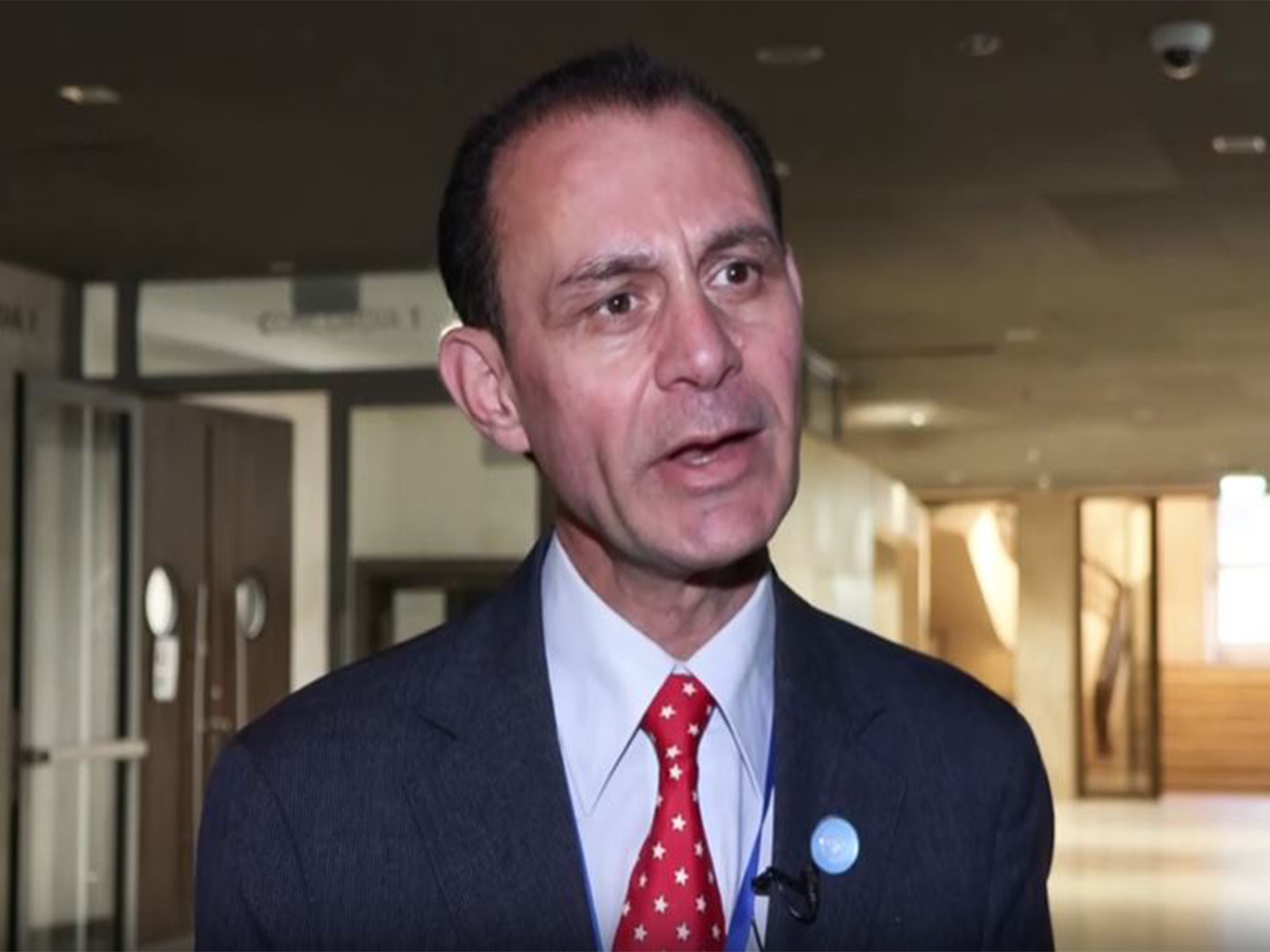
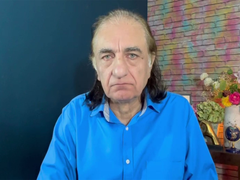
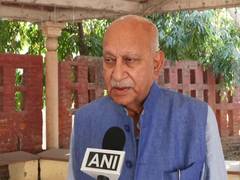
Geneva [Switzerland], October 3 (ANI): Pakistan is a sinking Titanic, and the people of Pakistan-occupied Jammu and Kashmir (PoJK) are no longer willing to ride it, said Jamil Maqsood, President of the Foreign Affairs Committee of the United Kashmir People's National Party (UKPNP).
Maqsood explained that corruption, nepotism and denial of basic services are pushing people to the streets and said that these are primary reasons behind such violent protests in PoJK.
Speaking to ANI on the sidelines of the 60th UNHRC session, he said, "It is rampant corruption, liking and disliking, nepotism, and the fashion they have imposed on us. The constitutional restraints have actually ignited the local population.POJK is one of the major markets for fake and fabricated food items and everything else which is produced in Pakistan. So, people are deprived of health, education, development, and job opportunities, and everything else.
"The youth has stood up that we want a united Jammu and Kashmir, we would not allow you to merge or to destroy or to diminish our local identity into Pakistan. Pakistan is sinking the Titanic, and we are not ready to ride on it, " he further added.
For several days, PoJK has witnessed violent clashes between protesters and Pakistani security forces. At least 10 people have been killed and many critically injured, Dawn reported. The unrest has prompted Pakistan's Prime Minister Shehbaz Sharif to dispatch an eight-member ministerial committee, including Rana Sanaullah, Ahsan Iqbal and PPP leader Raja Pervez Ashraf, to Muzaffarabad for talks with the civil society alliance leading the agitation.
The demonstrations, driven by anger over rising corruption, poor governance and lack of basic necessities, have triggered a communications blackout since Monday. Mobile and internet services remain suspended, leaving families cut off from their diaspora relatives abroad.
Commenting on the situation, Jamil Maqsood described Pakistan as a "rogue state" that has repeatedly used force against its own people. He accused Pakistan of refusing basic human rights to its own people of Balochistan, Sindh and many more.
"Pakistan is a rogue state. It has a history of oppressing people. In Balochistan, Sindh, Khyber Pakhtunkhwa, Gilgit-Baltistan and in Pakistan-occupied Jammu and Kashmir, people face constant suppression. Now, violent protests are erupting, and Pakistan is trying to crush these peaceful movements with force," he said.
He added that people in PoJK no longer want to remain with Pakistan. "The people have realised that they are not ready to live with Pakistan. And the major aspiration and vision of the people in all these regions are to reunite with the erstwhile state of Jammu and Kashmir. So, because of this notion, Pakistan is trying to use force in order to silence the people, but people are not ready to be silenced."
He accused Pakistan of attempting to erode PoJK's identity by planning to merge it with adjoining Pakistani districts like Abbottabad and Murree.
Raising concerns about militancy, Maqsood said PoJK has become a hub for terror groups. He recalled that on February 5 this year, Lashkar-e-Taiba paraded members of Hamas in Rawalakot, openly displaying weapons.
"The people are pushed towards proxy militancy. We are not ready to become scapegoats for Pakistan's militancy," he added. (ANI)
Get the App