

ADD ANI AS A TRUSTED SOURCE
googleads
Menu
Asia

Pakistan increases electricity price by Rs 1.68 per unit

Islamabad [Pakistan], November 6 (ANI): Amid the rising inflation in Pakistan, National Electric Power Regulatory Authority (NEPRA) has increased the price of electricity by Pakistani Rupees 1.68 per unit.

ANI Nov 06, 2021 08:39 IST googleads

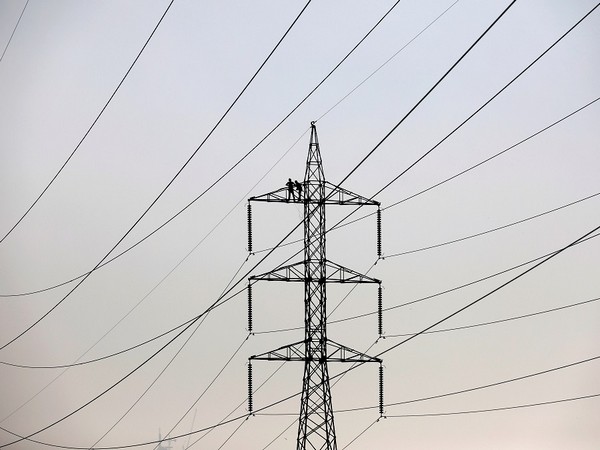
Representative Image

Islamabad [Pakistan], November 6 (ANI): Amid the rising inflation in Pakistan, National Electric Power Regulatory Authority (NEPRA) has increased the price of electricity by Pakistani Rupees 1.68 per unit.
According to the statement issued by NEPRA, the recent increase has been made in the basic tariff under which the price per unit of electricity has been increased by Rs 1.68 for domestic consumers, while for commercial and other categories, the price per unit of electricity will be Rs 1.39, Geo News reported.
According to the Pakistani publication, the new rates have come into effect across the country from November 1, which will earn the country revenue of Rs 135 billion per annum.
The statement said that the increased rates will not be applicable to those who consumed 200 or fewer units of electricity.
This comes after the latest surge in petroleum prices. According to a finance ministry notification, with the Rs 8.03 increase, the new price of petrol has been fixed at Rs 145.82 per litre, which has come into effect from November 5, Geo News reported.
On Wednesday, Imran Khan announced "country's biggest-ever" subsidy package worth Rs 120 billion, providing the 30 per cent discount on ghee, flour, and pulses to support 130 million people by ebbing away from the impact of inflation.
Shortly after Khan's announcement opposition leaders had criticised the move and had called it an "acceptance of the government's failure" and "nothing but a joke", said the Pakistani publication.
Taking to Twitter, PPP Chairman Bilawal Bhutto-Zardari had said that the PM's package is "too little for 200 million people," Geo News reported.
Following suit, former senator and PPP leader Sherry Rehman had termed PM Imran Khan's address to the nation a "bizarre speech", and called the premier the "Blame Minister of Pakistan". (ANI)


Get the App

What to Read Next

Europe

Blasphemy laws in Pakistan target religious minorities: GHRD

Blasphemy laws in Pakistan target religious minorities: GHRD

At the 61st session of the United Nations Human Rights Council, the organisation Global Human Rights Defence (GHRD) raised concerns over the continued misuse of blasphemy laws in Pakistan and their impact on religious minorities.

Read More
Asia

MEA rejects Pakistan’s statement on India-Canada deal

MEA rejects Pakistan’s statement on India-Canada deal

"We reject this statement made by Pakistan on the matter. India's credentials regarding non-proliferation are impeccable and well recognised by the global community. A country with a well-documented history of clandestine nuclear proliferation can hardly preach the virtues of export controls and proliferation risks. Such ludicrous statements are nothing more than an attempt by Pakistan to distract from its own abysmal record," he said.

Read More
Asia

India rejects Pakistan's "baseless allegations"

India rejects Pakistan's

India on Thursday rejected Pakistan's allegations of aggravating skirmishes with Afghanistan, calling them "baseless" and accusing Pakistan of blaming others for its own misdeeds.

Read More
Asia

Policy delays leave Pakistan short of critical medicines

Policy delays leave Pakistan short of critical medicines

Pakistan faces a severe shortage of life-saving medicines, including cancer drugs and vaccines, due to government delays in notifying official prices. While global supply remains stable, regulatory hurdles have stalled legal imports, raising concerns over patient survival and the potential rise of unregulated, counterfeit medicines.

Read More
Asia

Pakistan’s outdated mandi system stifles agricultural innovation

Pakistan’s outdated mandi system stifles agricultural innovation

Pakistan's fruit and vegetable supply remains dominated by traditional middlemen and the "mandi" system, with digital platforms handling only 2-3% of trade. Restrictive provincial laws and lack of infrastructure force farmers into dependency on commission agents, stalling modern technological transformation in the agricultural sector.

Read More
Home About Us Our Products Advertise Contact Us Terms & Condition Privacy Policy

Copyright © aninews.in | All Rights Reserved.
