ADD ANI AS A TRUSTED SOURCE
googleads
Menu
Asia

Pakistan: Former caretaker PM Kakar downplays 'wheat scandal' issue, denies allegation of corruption, crisis

The former caretaker Prime Minister of Pakistan, Anwar ul-Haq Kakar, has downplayed the wheat import issue, denying the allegations of corruption and crisis on his government, ARY News reported on Sunday.

ANI May 06, 2024 04:35 IST googleads

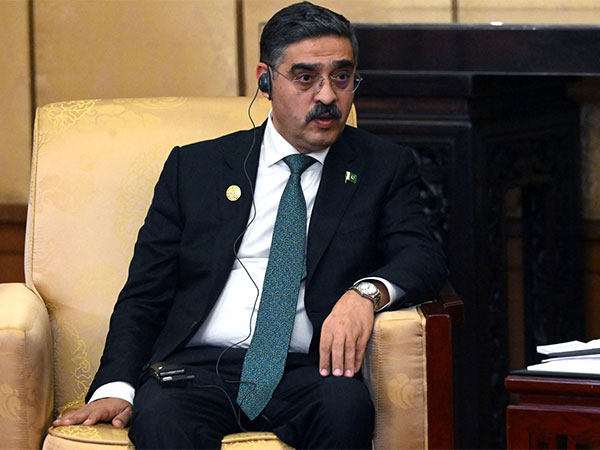
Pakistan's former Caretaker PM Anwaar-ul-Haq Kakar (Photo/ Reuters)

Islamabad [Pakistan], May 6 (ANI): The former caretaker Prime Minister of Pakistan, kakar">Anwar ul-Haq Kakar, has downplayed the wheat import issue, denying the allegations of corruption and crisis on his government, ARY News reported on Sunday.
He clarified by saying that the intentions of the caretaker government was to decrease inflation in the nation.
Calling the 'wheat scandal' issue a 'storm in a teacup', Kakar, said that the government wanted to simplify private-sector wheat purchases and raise revenue through import charges.
The former caretaker prime minister stated that the decision to allow private sector wheat imports was made in response to the country's wheat need, with the goal of maintaining a supply-demand balance, according to ARY News.
Kakar supported the government's non-interference in market dynamics, arguing that its mission is to regulate rather than intervene.
"At that time, the stock of wheat, including excess stock, was 1.4 million tonnes, the procedure for meeting the shortage of wheat was reviewed and it was informed that wheat is procured through TCP," Kakar said, according to ARY News.
In response to the shortage, the system for dealing with the wheat deficit was examined, with a focus on acquiring wheat through the Trading Corporation of Pakistan (TCP).
Former Caretaker Prime Minister Anwar-ul-Haq Kakar emphasised that the federal government initiates wheat and fertiliser imports based on data provided by provinces.
He stated that the earlier caretaker government set aside (PKR) 297 billion for TCP's purchase efforts, with the goal of keeping a strategic stockpile of 1 million tonnes of wheat.
However, there have been concerns expressed about TCP's procurement methods, with the International Monetary Fund (IMF) voicing doubts about wheat procurement from TCP. (ANI)

Get the App

What to Read Next

Europe

Blasphemy laws in Pakistan target religious minorities: GHRD

Blasphemy laws in Pakistan target religious minorities: GHRD

At the 61st session of the United Nations Human Rights Council, the organisation Global Human Rights Defence (GHRD) raised concerns over the continued misuse of blasphemy laws in Pakistan and their impact on religious minorities.

Read More
Asia

MEA rejects Pakistan’s statement on India-Canada deal

MEA rejects Pakistan’s statement on India-Canada deal

"We reject this statement made by Pakistan on the matter. India's credentials regarding non-proliferation are impeccable and well recognised by the global community. A country with a well-documented history of clandestine nuclear proliferation can hardly preach the virtues of export controls and proliferation risks. Such ludicrous statements are nothing more than an attempt by Pakistan to distract from its own abysmal record," he said.

Read More
Asia

India rejects Pakistan's "baseless allegations"

India rejects Pakistan's

India on Thursday rejected Pakistan's allegations of aggravating skirmishes with Afghanistan, calling them "baseless" and accusing Pakistan of blaming others for its own misdeeds.

Read More
Asia

Policy delays leave Pakistan short of critical medicines

Policy delays leave Pakistan short of critical medicines

Pakistan faces a severe shortage of life-saving medicines, including cancer drugs and vaccines, due to government delays in notifying official prices. While global supply remains stable, regulatory hurdles have stalled legal imports, raising concerns over patient survival and the potential rise of unregulated, counterfeit medicines.

Read More
Asia

Pakistan’s outdated mandi system stifles agricultural innovation

Pakistan’s outdated mandi system stifles agricultural innovation

Pakistan's fruit and vegetable supply remains dominated by traditional middlemen and the "mandi" system, with digital platforms handling only 2-3% of trade. Restrictive provincial laws and lack of infrastructure force farmers into dependency on commission agents, stalling modern technological transformation in the agricultural sector.

Read More
Home About Us Our Products Advertise Contact Us Terms & Condition Privacy Policy

Copyright © aninews.in | All Rights Reserved.