ADD ANI AS A TRUSTED SOURCE
googleads
Menu
Asia

Pakistan: Death toll due to road accidents rises to 92 in Karachi in 2025

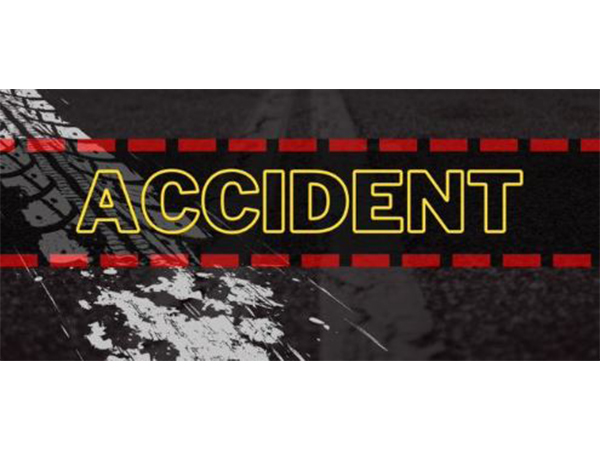
Karachi has witnessed a significant rise in traffic accidents, as 92 people lost their lives due to road accidents in 2025, Ary News reported citing rescue authorities' report.

ANI Feb 10, 2025 10:09 IST googleads

Representative Image (Photo@TBPEnglish)

Karachi [Pakistan], February 10 (ANI): Karachi has witnessed a significant rise in traffic accidents, as 92 people lost their lives due to road accidents in 2025, Ary News reported citing rescue authorities report.
As per the statistics released by the rescue authorities, 92 people lost their lives in traffic accidents that occurred between January 1 and February 8.
Additionally, over 900 people were injured, which included more than 100 women.
According to Ary News, nearly 9,000 traffic accidents were reported in Karachi in 2024.
Citing Rescue services, Ary News reported that as many as 771 citizens lost their lives, while 8,174 others were injured in nearly 9,000 road accidents in Karachi.
Earlier on Thursday, Karachi reported 99 major incidents reported in the first 37 days of 2025, resulting in 39 fatalities, ARY News reported, citing the traffic police.
In response to the rising number of accidents taking place in the city, a four-member committee has been formed to investigate the cause of the accidents.
As per a report by the Asian Development Bank (ADB) road safety in Pakistan has suffered because of lack of strong leadership in the past and management at the central and provincial levels.
The ADB report warned that unless the government implements strong measures, fatalities are estimated to increase by at least 33 per cent by 2030.
It further noted that in urban areas, road design and operation remain car-focused, with poor safety standards for pedestrians, motorcyclists, three-wheeler occupants, and bicyclists.
The report also highlighted the limited use of road signs and markings across the network, numerous uncontrolled access points to high-speed arterial roads, high-speed intersections, and the inadequate use of proven safety measures such as roundabouts or traffic signals. (ANI)

Get the App

What to Read Next

Europe

Blasphemy laws in Pakistan target religious minorities: GHRD

Blasphemy laws in Pakistan target religious minorities: GHRD

At the 61st session of the United Nations Human Rights Council, the organisation Global Human Rights Defence (GHRD) raised concerns over the continued misuse of blasphemy laws in Pakistan and their impact on religious minorities.

Read More
Asia

MEA rejects Pakistan’s statement on India-Canada deal

MEA rejects Pakistan’s statement on India-Canada deal

"We reject this statement made by Pakistan on the matter. India's credentials regarding non-proliferation are impeccable and well recognised by the global community. A country with a well-documented history of clandestine nuclear proliferation can hardly preach the virtues of export controls and proliferation risks. Such ludicrous statements are nothing more than an attempt by Pakistan to distract from its own abysmal record," he said.

Read More
Asia

India rejects Pakistan's "baseless allegations"

India rejects Pakistan's

India on Thursday rejected Pakistan's allegations of aggravating skirmishes with Afghanistan, calling them "baseless" and accusing Pakistan of blaming others for its own misdeeds.

Read More
Asia

Policy delays leave Pakistan short of critical medicines

Policy delays leave Pakistan short of critical medicines

Pakistan faces a severe shortage of life-saving medicines, including cancer drugs and vaccines, due to government delays in notifying official prices. While global supply remains stable, regulatory hurdles have stalled legal imports, raising concerns over patient survival and the potential rise of unregulated, counterfeit medicines.

Read More
Asia

Pakistan’s outdated mandi system stifles agricultural innovation

Pakistan’s outdated mandi system stifles agricultural innovation

Pakistan's fruit and vegetable supply remains dominated by traditional middlemen and the "mandi" system, with digital platforms handling only 2-3% of trade. Restrictive provincial laws and lack of infrastructure force farmers into dependency on commission agents, stalling modern technological transformation in the agricultural sector.

Read More
Home About Us Our Products Advertise Contact Us Terms & Condition Privacy Policy

Copyright © aninews.in | All Rights Reserved.