Pakistan: Climate experts warn neglect of waterways may worsen flood situation in Karachi
Experts and civil society members in Karachi urged urgent restoration of natural waterways to prevent severe urban flooding. At a Karachi Press Club session, speakers blamed poor planning, sewage in storm drains, and housing projects on riverbeds for the crisis, stressing better urban planning and protection of farmland.
ANI
Sep 20, 2025 16:17 IST

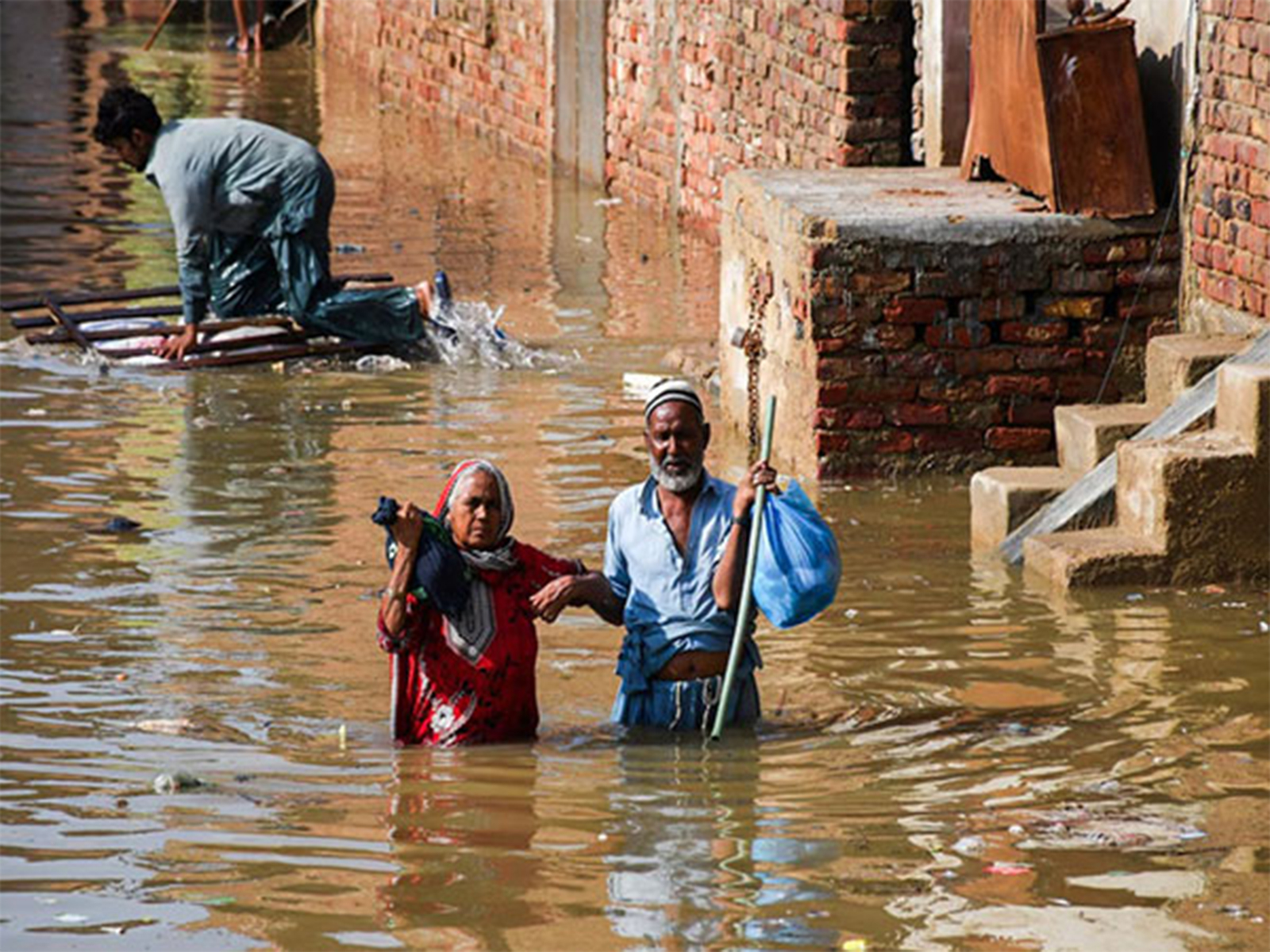
Karachi [Pakistan], September 20 (ANI): Climate change experts and civil society members have called for the urgent restoration and clearing of Karachi's natural waterways, warning that continued negligence could lead to more frequent and severe urban flooding, Dawn reported.
The concerns were raised during a session titled "Obstacles to Karachi's Natural Waterways and Potential Threats" held at the Karachi Press Club. Speakers noted that housing societies such as Saadi Town and Saadi Garden, along with projects near the Malir Expressway, also known as Shahrah-i-Bhutto, were built on natural waterways and posed serious environmental risks.
According to Dawn, participants pointed out that hill torrents from the Kirthar range often swell the Lyari and Malir rivers, making it critical to remove blockages and encroachments to ensure smooth water flow.
Urban planner Muhammad Toheed said climate change was now an undeniable reality and stressed that while other countries had upgraded their drainage and infrastructure, Karachi remained far behind.
"Environmental and climate-related issues are nowhere on our list of priorities," he said. "Despite Pakistan being among the most vulnerable countries to climate change, the issue is still not treated with the urgency it deserves."
Toheed criticised the absence of proper planning and coordination among civic bodies, adding that contractors often build roads without engineering oversight. "This results in poorly designed surfaces that cause water accumulation and the formation of low-lying flood-prone areas," he noted, as reported by Dawn.
He also condemned the Karachi Water and Sewerage Corporation for discharging sewage into stormwater drains. "This is a disaster. Now we can't even tell the difference between a sewerage line and a storm water drain," he said. "The city's sewerage system has collapsed, with sewage stagnating in several areas even in the absence of rainfall."
Agriculturist Azeem Dehqan reminded residents of Karachi's history and said Malir and its surrounding areas were once fertile lands producing crops, fruits and vegetables. He said this agricultural productivity had collapsed due to poor urban planning and unchecked housing projects.
Similarly, author Ramzan Baloch recalled that Malir was once known for clean drinking water and high-quality crops. "Over the years, the area has suffered severe degradation of its natural resources," he said, lamenting the lack of public interest in environmental issues.
Social activist Bashir Baloch underlined that large volumes of rainwater from the Kirthar range flowed into the Lyari and Malir rivers and stressed the need to clear obstructions to prevent future disasters. Referring to a past incident, he said, "The British had once constructed a railway bridge over the Malir River, which was later washed away by heavy rains due to the large volume of water flowing through the river. Something similar had happened during the current rains."
He also criticised the Karachi mayor, saying he "lacked a proper understanding of the city's geography and its natural water channels, as evident from his recent media briefings."
Climate activist Yasir Darya warned that climate change had made weather patterns increasingly unpredictable. "Even weather experts are now struggling to accurately forecast conditions beyond a few days. In such a situation, better urban planning is urgently needed in Karachi to prepare for and adapt to these changes," he said.
A resolution passed during the session demanded the restoration of Karachi's natural waterways and sewerage system, the protection of agricultural land, sewage treatment for farming use, and safeguards for villages within city limits. Lawyers Abeera Ashfaque, Kazim Mahesar and others also addressed the gathering, Dawn reported. (ANI)
Tags:
Get the App