Pakistan Army runs 'death squads' in Balochistan to eliminate Baloch people, says BNM
London [UK], June 5 (ANI): The Baloch National Movement (BNM) has urged the international community, especially neighbouring countries including India, to protect the Baloch people from Pakistan Army's "death squads".
ANI
Jun 05, 2020 16:53 IST

London [UK], June 5 (ANI): The Baloch National Movement (BNM) has urged the international community, especially neighbouring countries including India, to protect the Baloch people from Pakistan Army's "death squads".
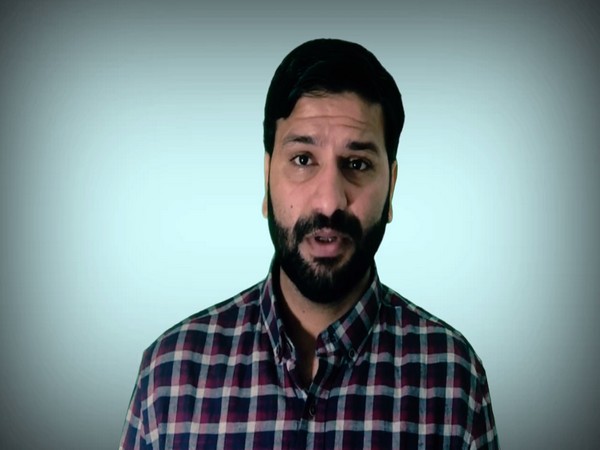
Hakeem Baloch, President of BNM (UK chapter) made the comments in the wake of massive protests that erupted across Balochistan after a four-year-old child, Bramsh, was seriously injured and her mother, Malik Naaz, shot dead by assailants in Makran area in the province.
Some Baloch social media activists are pointing fingers at Zahoor Buledi -- the Minister for Finance of Balochistan provincial government to be having connections with the gang.
Hakeem told ANI, "We know the mentality of Pakistan, Pakistan Army, military intelligence and Inter-Services Intelligence (ISI) as once this matter gets settled down, once the people go to their normal life, there will be another incident."
He added, "Even when people are protesting in other parts of Balochistan, the incidents are happening. The people are going missing, there is looting going on and similar to this incident, which happened two weeks ago, a boy in Awaran was kidnapped and raped by a member of the local death squad."
He said that the current protest, which is coming from Balochistan, is something new, a new momentum. Baloch people are holding protests and resisting for their right to remain free and live with dignity.
Hakeem said, "That is why, we, the Baloch National Movement believe and we have been saying to the world, especially to the United Nations, the US, the United Kingdom, the European Union and all the international human rights organisations and to our neighbouring countries like India, Afghanistan, Bangladesh and others that Pakistan Army is supporting these death squads to further their strategy of countering insurgency."
Hundreds of men, women and children have staged a protest, demanding punishment for the criminals and their facilitators. The incident has raised a wave of protest.
The protesters have demanded the arrest of Sameer Sabzal, the head of the death squad.
"By using these people, they are trying to suppress the voice of Baloch people. Most of the victims are the family members of those who are asking for their rights in a political way or as a human rights activist or someone resisting against this injustice, occupation and oppression," said Hakeem.
He added, "The Pakistan Army has always used the only means -- power and these death squads are not something which came from the sky. They are not aliens. They are the local people, but they are the corrupt people. They are the thugs and they are the junkies."
Balochistan is a resource-rich but least developed province of Pakistan where a movement for freedom is ongoing for the past several decades. Many Baloch believe that the region was independent before 1947 and was forcibly occupied by Pakistan.
Pakistan Army has launched several operations in Balochistan and has supported criminals, which locals call them as "death squads".
Hakeem said, "Pakistan Army has given them a free hand. You kill the people, we give you the task and you can do anything that you want. That includes burglary, drug dealing, drug trafficking, raping innocent children and women and abducting them. That includes every type of crime. That is why local people of Balochistan, the common people of Balochistan have awakened and they have begun a movement against this tyranny."
He said that the BNM has urged the international community, the United Nations, the US, EU and neighbouring countries, especially India, that they should not let Baloch people live under Pakistan's occupation and should not ignore the pain of the Baloch people because their lives matter as much as anyone's else life. (ANI)
Get the App