ADD ANI AS A TRUSTED SOURCE
googleads
Menu
Asia

Pak releases dozens of TTP prisoners as peace talks continue with banned outfit

Paktika [Afghanistan], February 21 (ANI): Pakistan released 46 Tehreek-e-Taliban Pakistan (TTP) prisoners with an aim of a permanent ceasefire and peace agreement with the banned group.

ANI Feb 21, 2022 04:28 IST googleads

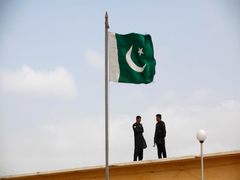
Representative Image (File Image)

Paktika [Afghanistan], February 21 (ANI): Pakistan released 46 Tehreek-e-Taliban Pakistan (TTP) prisoners with an aim of a permanent ceasefire and peace agreement with the banned group.
Journalist at Radio Free Europe, Daud Khattak, in his tweet said that the release of the 46 TTP prisoners came as a result of the efforts of the tribal Jirga that first met the Taliban leadership in Paktika province on January 9-10 and then again in Khost province of Afghanistan on February 17-18.
He further, in his tweet, said that the Haqqani Network leader and Taliban Interior Minister Siraj Haqqani played important role in breaking the ice.
"TTP confirmed the release of their 46 prisoners, but say they want release of 102 men, which also include leaders of Swat Taliban & only then will think of ceasefire," he wrote.
The journalist informed that the Pakistani authorities have not commented so far, but sources say more TTP prisoners will be free in the next 3-4 days, including some key members of the Swat Taliban or men like Latif Mehsud.
"TTP is so far watching and had slowed down its attacks in Pakistan," said Khattak.
A U.N. Analytical Support and Sanctions Monitoring Team report say that between 3,000 and 5,000 fighters of the TTP are still active in Afghanistan.
Moreover, Pakistan's recently released National Security Policy has failed in its mandate to tackle non-traditional security threats. It fails to address the core issue of how Islamabad will eradicate extremism and radicalization, reported the magazine.
Islamabad-based security expert Muhammad Wali says that the Afghan economy is on the verge of collapse, and the country is still believed to be a haven for different terrorist outfits. He said that all these developments in Afghanistan should be a reason of concern for Pakistan as well. (ANI)

Get the App

What to Read Next

Europe

Blasphemy laws in Pakistan target religious minorities: GHRD

Blasphemy laws in Pakistan target religious minorities: GHRD

At the 61st session of the United Nations Human Rights Council, the organisation Global Human Rights Defence (GHRD) raised concerns over the continued misuse of blasphemy laws in Pakistan and their impact on religious minorities.

Read More
Asia

MEA rejects Pakistan’s statement on India-Canada deal

MEA rejects Pakistan’s statement on India-Canada deal

"We reject this statement made by Pakistan on the matter. India's credentials regarding non-proliferation are impeccable and well recognised by the global community. A country with a well-documented history of clandestine nuclear proliferation can hardly preach the virtues of export controls and proliferation risks. Such ludicrous statements are nothing more than an attempt by Pakistan to distract from its own abysmal record," he said.

Read More
Asia

India rejects Pakistan's "baseless allegations"

India rejects Pakistan's

India on Thursday rejected Pakistan's allegations of aggravating skirmishes with Afghanistan, calling them "baseless" and accusing Pakistan of blaming others for its own misdeeds.

Read More
Asia

Policy delays leave Pakistan short of critical medicines

Policy delays leave Pakistan short of critical medicines

Pakistan faces a severe shortage of life-saving medicines, including cancer drugs and vaccines, due to government delays in notifying official prices. While global supply remains stable, regulatory hurdles have stalled legal imports, raising concerns over patient survival and the potential rise of unregulated, counterfeit medicines.

Read More
Asia

Pakistan’s outdated mandi system stifles agricultural innovation

Pakistan’s outdated mandi system stifles agricultural innovation

Pakistan's fruit and vegetable supply remains dominated by traditional middlemen and the "mandi" system, with digital platforms handling only 2-3% of trade. Restrictive provincial laws and lack of infrastructure force farmers into dependency on commission agents, stalling modern technological transformation in the agricultural sector.

Read More
Home About Us Our Products Advertise Contact Us Terms & Condition Privacy Policy

Copyright © aninews.in | All Rights Reserved.