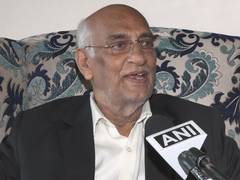
"Not confronting AQ Khan head-on was a mistake": Ex-CIA agent speaks on US policy failure
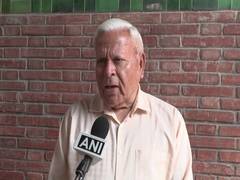
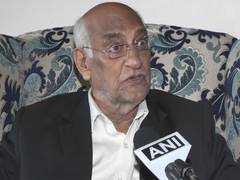
In an interview with ANI, John Kiriakou, who spent 15 years in the CIA as an analyst and later in counterterrorism operations, said that the US had precise operational details of Khan, including his daily routine and residence. However, the agency was instructed not to act, following diplomatic pressure from Riyadh.
ANI
Oct 25, 2025 11:38 IST

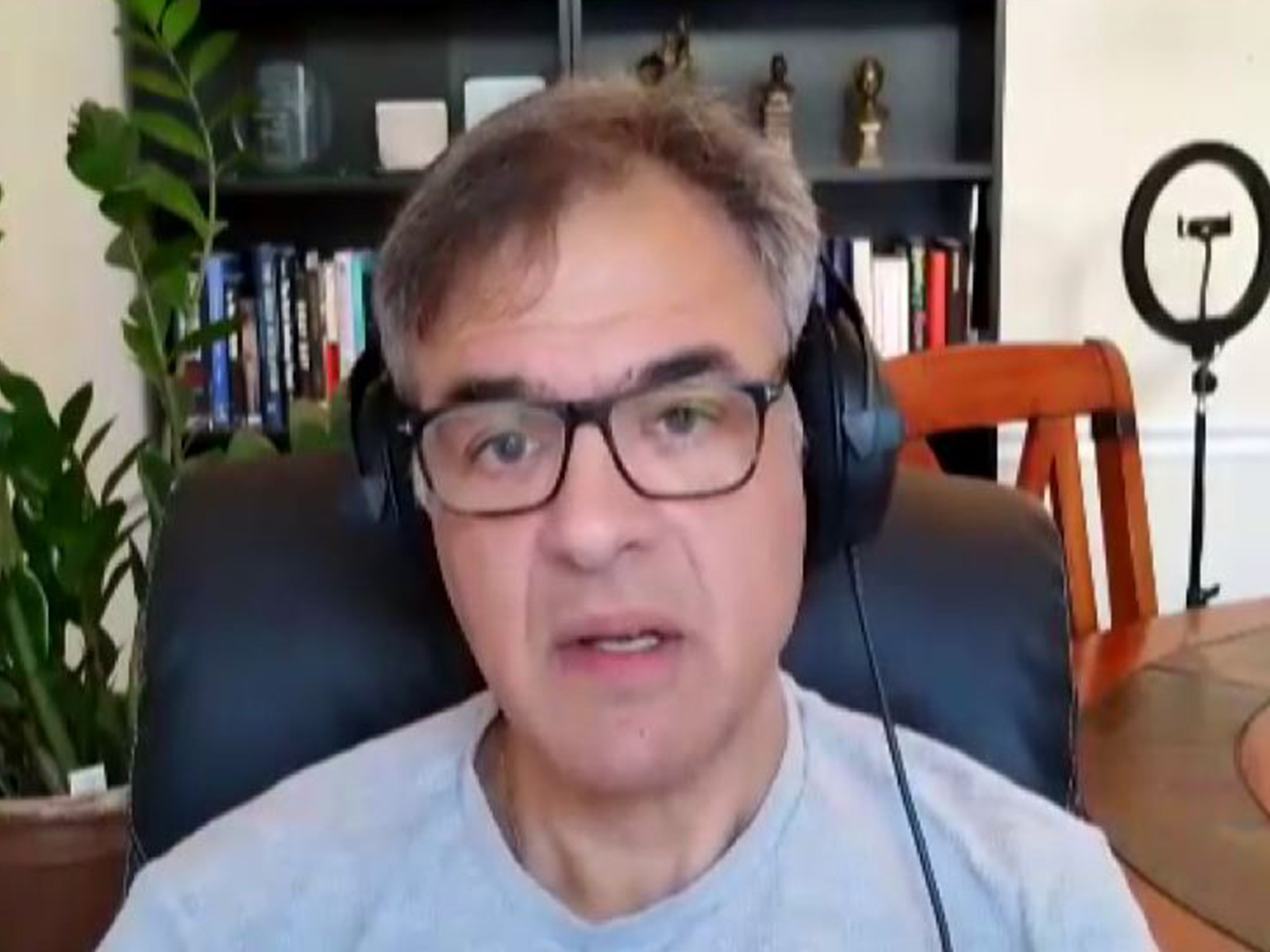
California [US], October 25 (ANI): Former officer in the USA's Central Intelligence Agency (CIA), John Kiriakou, in a stunning revelation, disclosed that America had refrained from eliminating Abdul Qadeer Khan, the architect of Pakistan's atomic bomb and a prolific proliferator of nuclear technology, after 'direct intervention' by the Saudi government.
In an interview with ANI, Kiriakou, who spent 15 years in the CIA as an analyst and later in counterterrorism operations, said that the US had precise operational details of Khan, including his daily routine and residence. However, the agency was instructed not to act, following diplomatic pressure from Riyadh.
"A colleague of mine was dealing with A Q Khan," Kiriakou said. "If we had taken the Israeli approach, we would have just killed him. He was easy enough to find. We knew where he lived. We knew how he spent his day. But he also had the support of the Saudi government. And the Saudis came to us and said, 'Please leave him alone. Please. We like A Q Khan. We're working with A.Q. Khan. We're close to the Pakistanis...They named Faisalabad after King Faisal. Just leave him alone," the former CIA officer said.
According to Kiriakou, this diplomatic pressure resulted in what he called a major US policy failure, a "mistake" by Washington.
"This was a mistake that the US government made, not confronting A Q Khan head-on," he said. Kiriakou added that during his later work with the Senate Foreign Relations Committee, he discovered that multiple CIA and International Atomic Energy Agency (IAEA) officials confirmed that the White House had issued instructions not to target Khan.
"And it had to be because the Saudis were demanding it, insisting on it," he added.
Kiriakou went further, suggesting that the Saudis' protection of Khan may have been linked to their own nuclear ambitions.
"We often wondered if it was because the Saudis were also building a nuclear capability. I think that's something we should probably be thinking about," he remarked.
Khan, born in undivided India in Bhopal in 1936, immigrated with his family to Pakistan in 1952 after the partition in 1947. He died in Islamabad in 2021 at the age of 85.
Khan was one of the most notorious nuclear smugglers in the world as he smuggled technology to rogue states like North Korea, Iran and Libya. He is called the father of Pakistan's atomic bomb, making his country the world's first "Islamic nuclear power".
Commenting on the recently signed Saudi-Pakistan Strategic Mutual Defence Agreement, Kiriakou suggested that Riyadh may now be "calling in its investment."
He laughed off the pact's significance, saying that Pakistanis form the backbone of the Saudi military.
"Almost the entire Saudi military is Pakistani. No Saudi is going to join the military unless they're going to make him a general. There are no privates or corporals who are Saudi. They're all Pakistani. It's the Pakistanis that protect Saudi Arabia on the ground," he noted.
Earlier in September, Saudi Arabia and Pakistan signed a "Strategic Mutual Defence Agreement", pledging that any aggression against either nation would be treated as an attack on both.
On the question of whether a Saudi "nuclear umbrella" was realistic, Kiriakou was dismissive.
"I don't think it is realistic," he said. But he agreed that the partnership between Islamabad and Riyadh, spanning decades, has strategic depth that extends beyond conventional defence.
Reflecting on Washington's broader foreign policy approach, Kiriakou offered a blunt assessment of its ties with Saudi Arabia despite the 9/11 attacks carried out largely by Saudi nationals.
"We like to try to convince the world that we are a shining beacon of hope for democracy, human rights, and equality. And it's just simply not true," he said.
"Our foreign relations are based on our national needs at any given moment. We don't do things because they're the right thing to do. We do them because they happen to be good for us that day, which is why we get into bed with so many dictators around the world," he added. (ANI)
Get the App