ADD ANI AS A TRUSTED SOURCE
googleads
Menu
Asia

Not bound by treaty for prohibition of nuclear weapons, says Pakistan

Islamabad [Pakistan], January 30 (ANI): Pakistan on Friday said that it does not consider itself bound by any of the obligations enshrined in the Treaty on Prohibition of Nuclear Weapons (TPNW).

ANI Jan 30, 2021 04:43 IST googleads

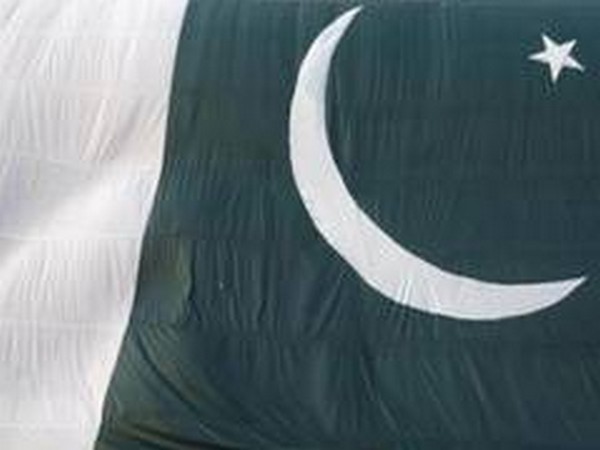
Representative image

Islamabad [Pakistan], January 30 (ANI): Pakistan on Friday said that it does not consider itself bound by any of the obligations enshrined in the Treaty on Prohibition of Nuclear Weapons (TPNW).
This comes as the nuclear weapons ban treaty had taken effect last Friday amid the lack of signatures from the major nuclear powers, Dawn reported. According to the United Nations, this treaty seeks a legally binding instrument to prohibit nuclear weapons, which includes a set of prohibitions on participating in any nuclear weapon activities.
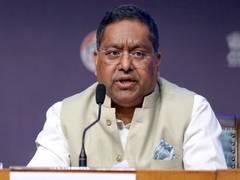
Pakistani Foreign Office Spokesperson Zahid Hafeez Chaudhri on Friday stated that this treaty neither forms a part of nor contributes to the development of customary international law in any manner.
There are nine nuclear-armed countries, with Russia and the United States holding the majority of nuclear weapons, Dawn reported. The others are Britain, India, Pakistan, China, France, Israel and North Korea.
The Pakistani spokesperson argued that the Treaty on Prohibition of Nuclear Weapons, which was adopted in July 2017, was negotiated outside the established UN disarmament negotiating forums.
None of the nuclear-armed states took part in the negotiations of the treaty which failed to take on board the legitimate interests of all stakeholders, Radio Pakistan reported.
Zahid Chaudhri further claimed that many non-nuclear armed states have also refrained from becoming parties to the treaty, adding that it is indispensable for any initiative on nuclear disarmament to take into account the vital security considerations of each and every state.
The TPNW was adopted by the Conference at the United Nations on 7 July 2017 and opened for signature by the Secretary-General of the United Nations on 20 September 2017. Following the deposit with the Secretary-General of the 50th instrument of ratification or accession of the Treaty on 24 October 2020, it entered into force on 22 January 2021. (ANI)

Get the App

What to Read Next

US

Ending Iran's nuclear ambitions over oil profits: Trump clarifies

Ending Iran's nuclear ambitions over oil profits: Trump clarifies

In a post by the White House, President Trump, while acknowledging that the United States is currently the world's leading oil producer and stands to benefit financially from higher crude prices, emphasised that his administration's overriding mission remains the permanent dismantling of Iran's nuclear program.

Read More
Europe

Blasphemy laws in Pakistan target religious minorities: GHRD

Blasphemy laws in Pakistan target religious minorities: GHRD

At the 61st session of the United Nations Human Rights Council, the organisation Global Human Rights Defence (GHRD) raised concerns over the continued misuse of blasphemy laws in Pakistan and their impact on religious minorities.

Read More
Asia

MEA rejects Pakistan’s statement on India-Canada deal

MEA rejects Pakistan’s statement on India-Canada deal

"We reject this statement made by Pakistan on the matter. India's credentials regarding non-proliferation are impeccable and well recognised by the global community. A country with a well-documented history of clandestine nuclear proliferation can hardly preach the virtues of export controls and proliferation risks. Such ludicrous statements are nothing more than an attempt by Pakistan to distract from its own abysmal record," he said.

Read More
Asia

India rejects Pakistan's "baseless allegations"

India rejects Pakistan's

India on Thursday rejected Pakistan's allegations of aggravating skirmishes with Afghanistan, calling them "baseless" and accusing Pakistan of blaming others for its own misdeeds.

Read More
Asia

Policy delays leave Pakistan short of critical medicines

Policy delays leave Pakistan short of critical medicines

Pakistan faces a severe shortage of life-saving medicines, including cancer drugs and vaccines, due to government delays in notifying official prices. While global supply remains stable, regulatory hurdles have stalled legal imports, raising concerns over patient survival and the potential rise of unregulated, counterfeit medicines.

Read More
Home About Us Our Products Advertise Contact Us Terms & Condition Privacy Policy

Copyright © aninews.in | All Rights Reserved.