Jaishankar meets Chinese counterpart, says India-China ties have unique place in global politics
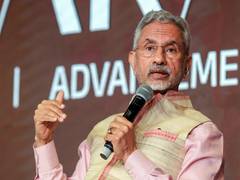
Beijing [China], Aug 12 (ANI): External Affairs Minister Subrahmanyam Jaishankar met his Chinese counterpart Wang Yi here on Monday and discussed regional and global issues of mutual interest.
ANI
Aug 12, 2019 11:52 IST

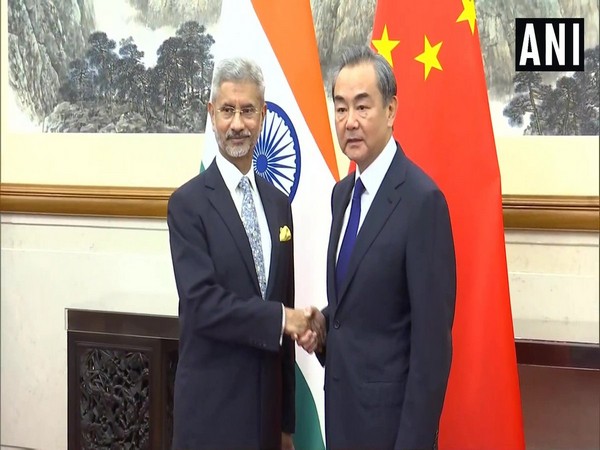
Beijing [China], Aug 12 (ANI): External Affairs Minister Subrahmanyam Jaishankar met his Chinese counterpart Wang Yi here on Monday and discussed regional and global issues of mutual interest.
Jaishankar, who is currently on a three-day visit to China to co-chair the second meeting of the India-China High-Level Mechanism (HLM) on cultural and people-to-people exchanges, said India's relationship with China has a unique place in global politics and through years, "our leaders have worked to recognise this reality".
This is Jaishankar's first visit to China after assuming office in May this year. He arrived here on Sunday.
The External Affairs Minister along with Wang will prepare the ground for the second informal summit between Prime Minister Narendra Modi and Chinese President Xi Jinping scheduled to be held later this year.
The decision to establish the HLM was taken during the maiden informal summit between Modi and Xi in Wuhan in April last year. The inaugural HLM meeting was held on December 21 last year in New Delhi.
"The second HLM meeting will provide an opportunity to follow up on the outcomes of the first HLM meeting and discuss new initiatives for enhancing people-to-people exchanges between our two countries," the Ministry of External Affairs had said in a statement.
In his meeting with Wang, Jaishankar reiterated, "Deep, consultative and open views were shared between our leaders at Wuhan summit last year."
He had met his Chinese counterpart in Bangkok last month on the sidelines of ASEAN Summit where both leaders had exchanged views on ways and means of further strengthening India-China relations.
Jaishankar's visit comes amid heightened tensions between India and Pakistan following the scrapping of Article 370 that gave special status to Jammu and Kashmir and bifurcation of the state into two Union Territories -- Jammu and Kashmir and Ladakh.
Pakistan had last week downgraded bilateral relations with India and suspended bilateral trade.
Ahead of Jaishankar's visit, his Pakistani counterpart Shah Mehmood Qureshi had visited Beijing to raise the Kashmir issue with the Chinese leadership and seek its support to take the matter to the United Nations. (ANI)
Get the App