Is Pakistan about to see its worst recession?
Inflation, external concerns, and supply disruption are anticipated to have a significant impact on the economy in the future amid heightened recessionary risks.
ANI
Mar 16, 2023 14:19 IST

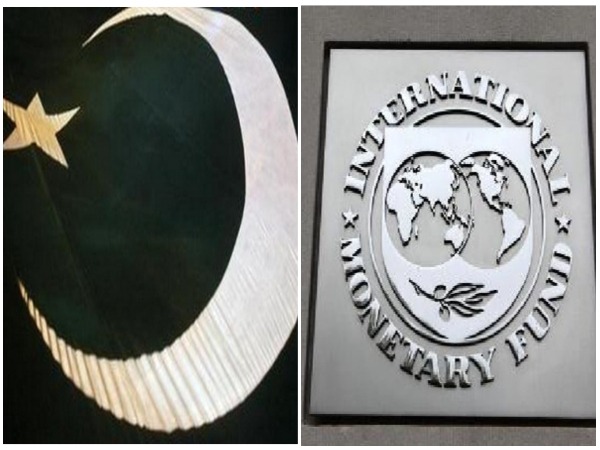
Islamabad [Pakistan], March 16 (ANI): The economic challenges persist despite Pakistan's tough measures to persuade the International Monetary Fund (IMF), reported Geo News on Thursday.
The government of Prime Minister Shehbaz Sharif has increased taxes, reduced energy subsidies, and boosted interest rates to a 25-year high in an effort to win over the IMF, but, several problems still need to be rectified, the report said.
A delay is being caused by successive governments' inability to comply with IMF recommendations, according to Luqman Nadeem, general partner of FlatRock Associates.
He said that the current political instability might make the "IMF more hesitant to disburse any money", adding, "No matter who is in office, there is no continuity of policies, which raises a serious concern for the lender and any allies."
Inflation, external concerns, and supply disruption are anticipated to have a significant impact on the economy in the future amid heightened recessionary risks, the report said.
According to the median prediction of 27 economists in a Bloomberg survey, the risk of the economy entering a recession is now 70 per cent amid a worsening political and economic crisis, the Pakistan-based Geo News said.
There have been worries that Pakistan would have to stop making debt payments after the cash-strapped country missed several deadlines to secure funding to avert a default.
Conflicts broke out this week when police attempted to detain Imran Khan, the leader of the Pakistan Tehreek-e-Insaf (PTI) and a former prime minister who has been calling for early elections since being ousted by a no-confidence vote in April of last year.
To boost its USD 350 billion economy, alleviate severe shortages, and replenish its foreign exchange reserves, Pakistan needs money. The country's dollar reserves have decreased to less than a month's worth of imports, making it difficult for it to finance purchases made abroad, leaving thousands of containers of supplies stranded at ports, forcing the closure of plants, and jeopardising tens of thousands of jobs, according to Geo News.
Ankur Shukla, an economist, thinks Pakistan's default risk is rising. While the IMF considers whether to restore funding, bond spreads are increasing. "We believe it will happen eventually, but the wait is agonising. Growth is being stifled in the interim by currency shortages," he claimed.
Rafiq Maniya Suleman, head of the advisory at Vector Securities Pvt said that "severe demand destruction is taking hold." Due to the dollar crisis, businesses are only operating at about 50 per cent of their potential, and high inflation is lowering disposable incomes, which is further dampening demand, he said.
Pakistan is expected to publish its yearly report on gross domestic product in May. According to a report in Bloomberg Economics, cited by Geo News, the economy will drop 2.2 per cent in the fiscal year that ends in June, down from a 6 per cent expansion the year before.
Ehtesham Khan, CEO of EK Global Capital, stated that "the government strategies to address these difficulties have been limited in their impact.
An economic downturn is indicated by "a reduction in GDP growth, rising unemployment rates, reduced consumer spending, and decreased company investment," the CEO added, Geo News reported. (ANI)
Tags:
Get the App