ADD ANI AS A TRUSTED SOURCE
googleads
Menu
Asia

Increase in Christian sanitary cleaners in Pakistan highlights the existence of religious discrimination: Report

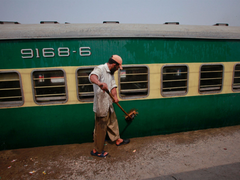
Islamabad [Pakistan], December 29 (ANI): Pakistan denies the existence of caste-based practices but discrimination continues to exist across the country and an increase in the Christian sanitary cleaners highlights the existence of religious discrimination, stated an article in The Nation.

ANI Dec 29, 2021 23:24 IST googleads

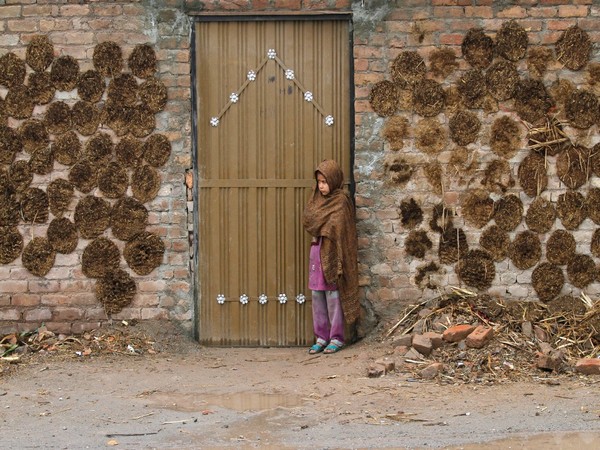
Representative Image

Islamabad [Pakistan], December 29 (ANI): Pakistan denies the existence of caste-based practices but discrimination continues to exist across the country and an increase in the Christian sanitary cleaners highlights the existence of religious discrimination, stated an article in The Nation.
In the past, when authorities in Karachi attempted to hire Muslims to clean gutters, many refused to go down into the sewers, preferring to sweep the streets instead.
The article said that the majority of the sweepers are uneducated and disorganised, making it easier for employers to pressurise them into accepting the positions as their main source of money.
Christians form 1.6 per cent of Pakistan's population but held 80 per cent of the sanitary posts in Pakistan as per the 1998 census.
The workers spend hours in the sewers of the city and since they are constantly exposed to human garbage and hazardous pollutants, many develop chronic respiratory and skin illnesses, and for some, it's been a life or death situation, according to the article in The Nation
Earlier, there have been reports of doctors refusing to treat sweepers because of the stigma.
Also, sanitary jobs were reserved for non-Muslims under a systemic policy devised by the government. In 2015, a Hospital in Punjab advertised ten opportunities for sanitation jobs that were earmarked for minorities only.
"Furthermore, the district council of Swabi in Khyber Pakhtunkhwa passed a resolution in January mandating that all sweepers hired in the district's hospitals must be Christians.
The positions of guards and peons should be given to the Muslims as per the resolution which was a breach of Article 27 of Pakistan's Constitution," the article said. (ANI)

Get the App

What to Read Next

Europe

Blasphemy laws in Pakistan target religious minorities: GHRD

Blasphemy laws in Pakistan target religious minorities: GHRD

At the 61st session of the United Nations Human Rights Council, the organisation Global Human Rights Defence (GHRD) raised concerns over the continued misuse of blasphemy laws in Pakistan and their impact on religious minorities.

Read More
Asia

MEA rejects Pakistan’s statement on India-Canada deal

MEA rejects Pakistan’s statement on India-Canada deal

"We reject this statement made by Pakistan on the matter. India's credentials regarding non-proliferation are impeccable and well recognised by the global community. A country with a well-documented history of clandestine nuclear proliferation can hardly preach the virtues of export controls and proliferation risks. Such ludicrous statements are nothing more than an attempt by Pakistan to distract from its own abysmal record," he said.

Read More
Asia

India rejects Pakistan's "baseless allegations"

India rejects Pakistan's

India on Thursday rejected Pakistan's allegations of aggravating skirmishes with Afghanistan, calling them "baseless" and accusing Pakistan of blaming others for its own misdeeds.

Read More
Asia

Policy delays leave Pakistan short of critical medicines

Policy delays leave Pakistan short of critical medicines

Pakistan faces a severe shortage of life-saving medicines, including cancer drugs and vaccines, due to government delays in notifying official prices. While global supply remains stable, regulatory hurdles have stalled legal imports, raising concerns over patient survival and the potential rise of unregulated, counterfeit medicines.

Read More
Asia

Pakistan’s outdated mandi system stifles agricultural innovation

Pakistan’s outdated mandi system stifles agricultural innovation

Pakistan's fruit and vegetable supply remains dominated by traditional middlemen and the "mandi" system, with digital platforms handling only 2-3% of trade. Restrictive provincial laws and lack of infrastructure force farmers into dependency on commission agents, stalling modern technological transformation in the agricultural sector.

Read More
Home About Us Our Products Advertise Contact Us Terms & Condition Privacy Policy

Copyright © aninews.in | All Rights Reserved.