

ADD ANI AS A TRUSTED SOURCE
googleads
Menu
Asia

Huge loans that countries owe to China may actually never get repaid, says analyst

Writing for the InsideOver publication, Federico Giuliani, said that three-fifths of the world's developing countries are now having considerable trouble repaying loans or have already fallen behind on their debts.

ANI Nov 14, 2022 04:52 IST googleads

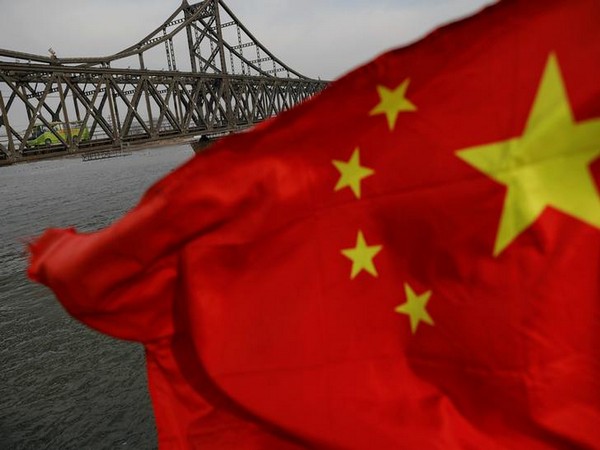
Representative image

Beijing [China], November 14 (ANI): Though China today finds itself holding significant sway over the financial futures of many developing nations, the vast sums of money that countries owe to Beijing may never get repaid.
Writing for the InsideOver publication, columnist Federico Giuliani, said that three-fifths of the world's developing countries are now having considerable trouble repaying loans or have already fallen behind on their debts.
More importantly, more than half the world's poor countries owe more to China than to all Western governments combined.
Giuliani said China became the lender of choice for many nations by generously donating money to governments for various infrastructure projects like hydroelectric dams, airports and highways.
For countries like Pakistan, Suriname and Kenya, public debt has increased many fold.
"Debt is one part of the challenge; the nature of Chinese loans is another. China issues far more of its loans at adjustable interest rates than Western governments or multilateral institutions. However, with global interest rates rising swiftly, debt payments are soaring when nations can least afford to pay," writes Giuliani.
He further argues that China thus has made inroads into several countries, but the negative outcome of such ingress is there for all to see in myriad ways.
"Societies impacted by Chinese labour and materials realise that money comes, but with a catch. Jobs are promised but given only to Chinese people. Profits are there for grabs but only for Chinese companies," he adds.
Further, Chinese security firms operate with much greater latitude in parts of Africa and have become states in themselves, making it far more difficult for countries to protect their sovereignty.
"As we go along, one can visualise problems for China as they will face a reducing return on debt and while they will continue to pull some strings, it may not be as easy as they may think," writes Giuliani. (ANI)


Get the App

What to Read Next

Europe

ECO FAWN Society raises Pahalgam terror attack at UN Human Rights

ECO FAWN Society raises Pahalgam terror attack at UN Human Rights

At the 61st session of the United Nations Human Rights Council (UNHRC), Yasser Laaroussi, from the ECO FAWN Society, during General Debate under Item 3, in his oral statement, highlighted the terrorist attack that took place in Pahalgam on April 22, 2025. He urged the international community to intensify efforts to combat terrorism and ensure accountability for attacks targeting civilians

Read More
Asia

China’s expanding system of censorship exposed in Dharamshala

China’s expanding system of censorship exposed in Dharamshala

The event titled "Understanding China's System of Political Repression: Voices of Resistance through Art and Journalism" brought together prominent voices critical of China's information control, as reported by Phayul.

Read More
US

Brazil’s Silveira rules out fuel shortages, slams speculation

Brazil’s Silveira rules out fuel shortages, slams speculation

Speaking to journalists, Silveira said the country's fuel supply remains stable and the government is closely monitoring developments in the international oil market as well as domestic price movements.

Read More
Europe

"Act of terrorism": Russia slams Mediterranean drone attack

Russian Foreign Ministry Spokesperson Maria Zakharova condemned a drone strike on the commercial vessel Arctic Metagaz in the Mediterranean. Calling it "a terrorist attack & a war crime," she detailed the crew's rescue after a gas explosion, criticised Malta's refusal to assist the injured, and denounced the European silence.

Read More
Asia

Pakistan’s outdated mandi system stifles agricultural innovation

Pakistan’s outdated mandi system stifles agricultural innovation

Pakistan's fruit and vegetable supply remains dominated by traditional middlemen and the "mandi" system, with digital platforms handling only 2-3% of trade. Restrictive provincial laws and lack of infrastructure force farmers into dependency on commission agents, stalling modern technological transformation in the agricultural sector.

Read More
Home About Us Our Products Advertise Contact Us Terms & Condition Privacy Policy

Copyright © aninews.in | All Rights Reserved.


