

ADD ANI AS A TRUSTED SOURCE
googleads
Menu
Asia

Glacier melt and water crisis loom as forest cover shrinks in PoJK

Speaking at a recent climate awareness session, Rafiq highlighted the direct link between rising temperatures, glacier melt, and the alarming decline in forest cover across the region.

ANI Sep 09, 2025 14:04 IST googleads

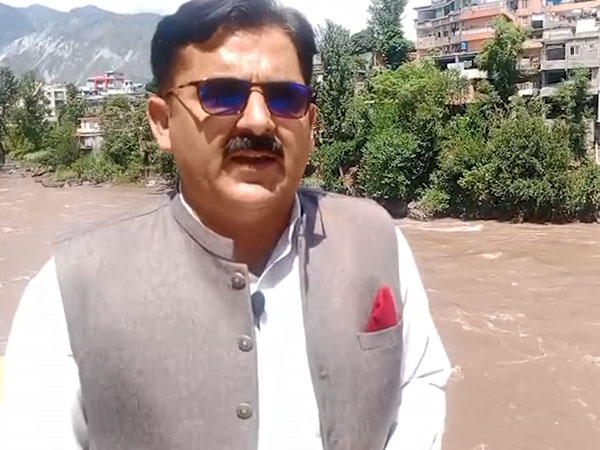
Environmentalist Sardar Muhammad Rafiq (Image/ANI)

Muzaffarabad [Pakistan], September 9 (ANI): Environmentalist Sardar Muhammad Rafiq has stated that climate change is no longer a distant threat but a growing reality, especially for regions like Pakistan-occupied Jammu and Kashmir (PoJK).
Speaking at a recent climate awareness session, Rafiq highlighted the direct link between rising temperatures, glacier melt, and the alarming decline in forest cover across the region.
"Climate change is an international issue, but its local consequences are becoming increasingly severe," he said. Dr. Rafiq emphasised that deforestation in PoJK has played a major role in accelerating the environmental crisis. Once rich in natural forests, the region has seen a significant reduction in vegetation, leading to higher surface temperatures and disruption of local ecosystems.
One of the most critical impacts of this warming trend is the rapid melting of glaciers, which are vital sources of freshwater for both PoJK and Pakistan at large. According to Dr. Rafiq, if current trends continue, the glaciers could completely disappear within the next 50 years, severely threatening water security for millions.
He highlighted that 80 per cent of Pakistan's freshwater resources depend on glacier-fed rivers, and their loss would have devastating consequences for agriculture, urban living, and overall sustainability. "We are witnessing a decrease in underground water reserves, more frequent floods, and extreme weather events. These are all signs of a rapidly changing climate," he said.
Rafiq called for urgent action, including the implementation of climate and forest conservation policies, and stressed the need for nature-based solutions. He pointed out that increasing forest cover could help reduce temperatures, slow glacier melt, and preserve essential water resources.
"The situation demands serious and immediate planning," he concluded. "Our future depends on how quickly and effectively we act today." (ANI)

Get the App

What to Read Next

Europe

Blasphemy laws in Pakistan target religious minorities: GHRD

Blasphemy laws in Pakistan target religious minorities: GHRD

At the 61st session of the United Nations Human Rights Council, the organisation Global Human Rights Defence (GHRD) raised concerns over the continued misuse of blasphemy laws in Pakistan and their impact on religious minorities.

Read More
Asia

MEA rejects Pakistan’s statement on India-Canada deal

MEA rejects Pakistan’s statement on India-Canada deal

"We reject this statement made by Pakistan on the matter. India's credentials regarding non-proliferation are impeccable and well recognised by the global community. A country with a well-documented history of clandestine nuclear proliferation can hardly preach the virtues of export controls and proliferation risks. Such ludicrous statements are nothing more than an attempt by Pakistan to distract from its own abysmal record," he said.

Read More
Asia

India rejects Pakistan's "baseless allegations"

India rejects Pakistan's

India on Thursday rejected Pakistan's allegations of aggravating skirmishes with Afghanistan, calling them "baseless" and accusing Pakistan of blaming others for its own misdeeds.

Read More
Asia

Policy delays leave Pakistan short of critical medicines

Policy delays leave Pakistan short of critical medicines

Pakistan faces a severe shortage of life-saving medicines, including cancer drugs and vaccines, due to government delays in notifying official prices. While global supply remains stable, regulatory hurdles have stalled legal imports, raising concerns over patient survival and the potential rise of unregulated, counterfeit medicines.

Read More
Asia

Pakistan’s outdated mandi system stifles agricultural innovation

Pakistan’s outdated mandi system stifles agricultural innovation

Pakistan's fruit and vegetable supply remains dominated by traditional middlemen and the "mandi" system, with digital platforms handling only 2-3% of trade. Restrictive provincial laws and lack of infrastructure force farmers into dependency on commission agents, stalling modern technological transformation in the agricultural sector.

Read More
Home About Us Our Products Advertise Contact Us Terms & Condition Privacy Policy

Copyright © aninews.in | All Rights Reserved.


