 हिंदी खबर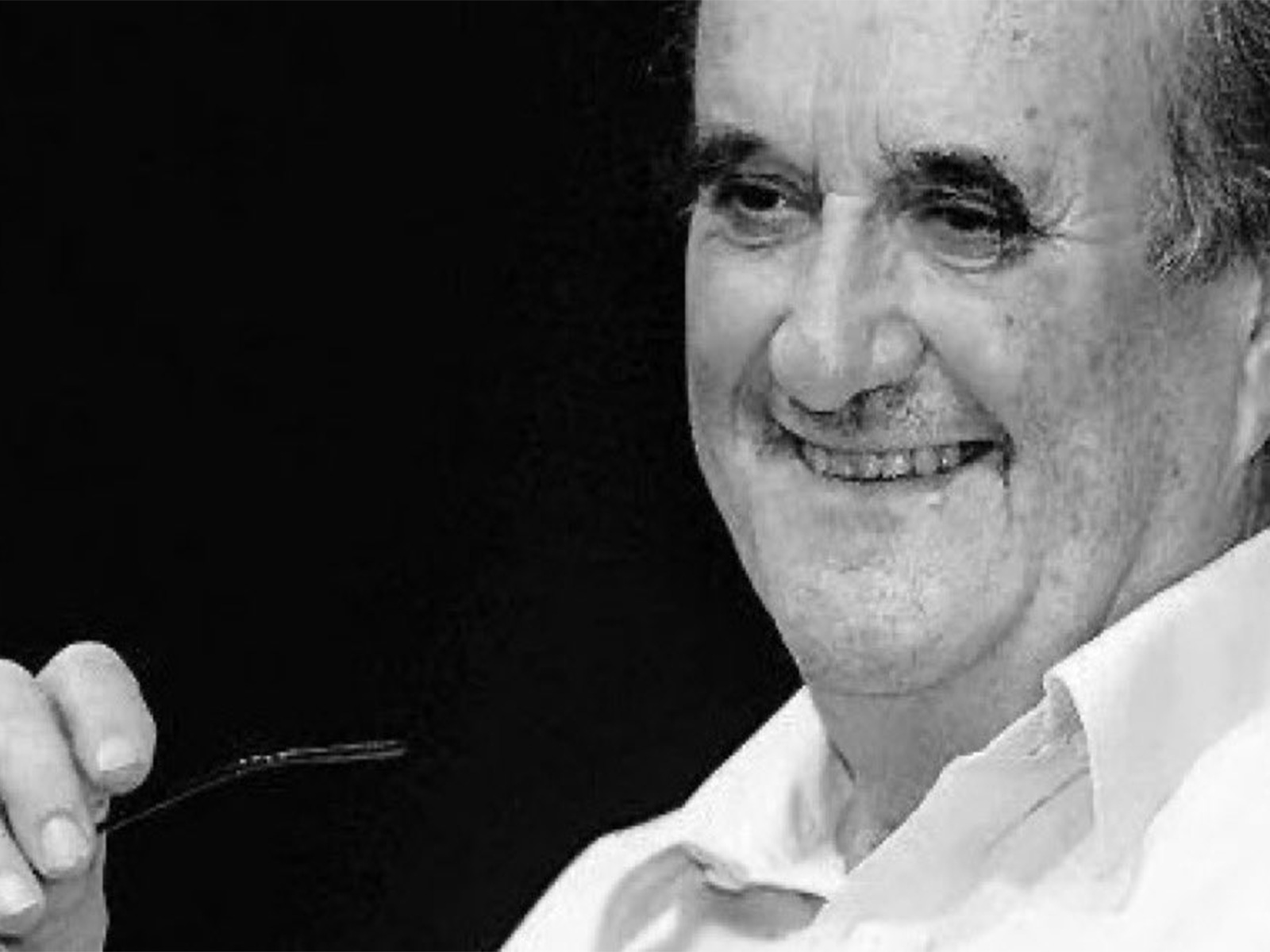

New Delhi [India], January 25 (ANI): Legendary journalist Mark Tully passed away at the age of 90 at a private hospital in the national capital on Sunday, the hospital said.
The former BBC journalist had been admitted to Max Super Speciality Hospital in the south Delhi locality of Saket for the past week.
According to an official statement from the hospital, Tully passed away on January 25 at 2:35 PM.
"The cause of death was multi-organ failure following a stroke. Our thoughts and heartfelt condolences are with his family, loved ones, and all those affected by his passing," the statement said.
Senior Congress leader Pawan Khera has also expressed condolences at the passing away of the Padma awardee journalist Mark Tully.
Khera recollected living in the same locality as Tully.
In a post on X, he said, "Many like me, grew up listening to his voice, reading his books. I ended up living in the very locality in which he lived for years and fell in love with. Travel well, Padma Shri Sir Mark Tully. RIP"
Many like me, grew up listening to his voice, reading his books. I ended up living in the very locality in which he lived for years and fell in love with.
— Pawan Khera 🇮🇳 (@Pawankhera) January 25, 2026
Travel well, Padma Shri Sir Mark Tully. #RIP pic.twitter.com/uV8ROeaEYh
Tully was born in Calcutta in 1935 into a wealthy family of British settlers. His father was the director of a railroad and a partner in a holding company that owned a bank, an insurance firm, and tea plantations. After the Second World War, his parents sent him to boarding school in the United Kingdom. He later took theology courses at Cambridge University and then entered a seminary.
His career as a journalist brought him back to the land of his birth. In 1965, he was hired as an administrator by the BBC's New Delhi office. Tully returned to London in 1969 to head the Hindi service and then the West Asia service, for which he covered the Bangladesh War of Independence in 1971 and the execution of Zulfikar Ali Bhutto.
Tully's coverage of India included the imposition of the Emergency in 1975, Operation Blue Star in June 1984, the assassination of then Prime Minister Indira Gandhi in the same year in October, the killing of Rajiv Gandhi in 1991, the economic liberalisation, the demolition of the Ram JanamBhoomi-Babri Masjid disputed structure in Ayodhya in 1992 and countless elections.
Tully, known as the BBC's "voice of India", was even expelled from the country in 1975 at 24 hours' notice for refusing to sign a 'censorship agreement' after the then Prime Minister, Indira Gandhi, imposed the emergency. But he returned to the country after the end of the Emergency and has been in the national capital ever since. He was residing in Nizamuddin West, South Delhi.
Tully, the former Bureau Chief of the BBC, New Delhi, held the position for 20 years. He worked with the BBC for three decades before resigning in July 1994 for what he described as a "culture of fear" in the organisation under the then Director-General John Birt. But he continued to broadcast on BBC airwaves, notably as presenter of Radio 4's Something Understood show untill 2019.
The veteran journalist, who was a recipient of many awards, was also awarded the country's top civilian honours, the Padma Shree and the Padma Bhushan. He was also knighted by the UK government in 2002.
Tully has authored many books on India, including 'No Full Stops in India', 'India in Slow Motion', and 'The Heart of India'.
The UNESCO Courier describes Tully as a "radio legend in India."
"For over a quarter of a century, one of the most recognised and trusted radio voices in India was that of Mark Tully. This British correspondent for the BBC has covered all the momentous events that marked the country's recent history, until the mid-1990s. He is a living witness of the time when radio was the main medium to reach the masses, telephone communications were unreliable, and radio recordings were made on magnetic tapes that had to be physically sent to the editorial offices," it said. (ANI)


