Depriving girls of secondary education costs USD 500mn to Afghan economy: UNICEF
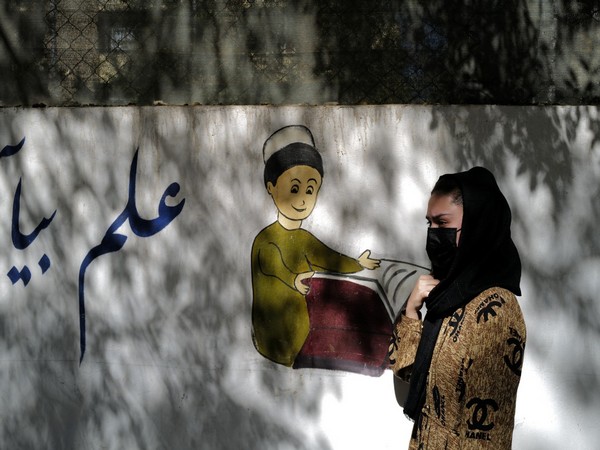
Kabul [Afghanistan], August 16 (ANI): Keeping girls out of secondary school costs Afghanistan 2.5 per cent of its annual GDP, according to a new analysis by UNICEF.
ANI
Aug 16, 2022 00:08 IST

Kabul [Afghanistan], August 16 (ANI): Keeping girls out of secondary school costs Afghanistan 2.5 per cent of its annual GDP, according to a new analysis by UNICEF.
If the current cohort of three million girls were able to complete their secondary education and participate in the job market, girls and women would contribute at least USD 5.4 billion to Afghanistan's economy, the UN agency said as the Taliban completed one year of Afghanistan's takeover.
UNICEF's estimates do not take into account the non-financial impacts of denying girls access to education, such as upcoming shortages of female teachers, doctors and nurses, the ensuing impact on decreasing attendance for girls in primary school and increasing health costs related to adolescent pregnancy.
The estimates also do not account for the broader benefits of education, including overall educational attainment, reduced child marriage and reduced infant mortality.
"The decision on March 23, not to allow girls back to secondary school was shocking and deeply disappointing. Not only does it violate girls' fundamental right to education, it exposes them to heightened anxiety, and greater risk of exploitation and abuse, including child trafficking, early and forced marriage," said UNICEF Afghanistan Representative, Dr Mohamed Ayoya. "Now, this new analysis clearly articulates the terrible economic impact of this decision on the country's GDP."
Even before the Taliban seized power on August 15 last year, Afghanistan struggled with over 4.2 million children out of school; 60 per cent of whom were girls.
Although the potential costs of not educating boys and girls alike are high in terms of lost earnings, not educating girls is especially costly because of the relationship between educational attainment and girls delaying marriage and childbearing, participating in the workforce, making choices about their own future and investing more in the health and education of their own children later in life.
The analysis indicates that Afghanistan will be unable to regain the gross domestic product (GDP) lost during the transition and reach its true potential productivity without fulfilling girls' rights to access and complete secondary school education.
"UNICEF wants to see every girl and boy across Afghanistan in school and learning," said Dr. Ayoya. "We will not stop advocating until that goal is achieved. Not only is education a right for every child, it is the foundation for future growth in Afghanistan."
In addition to girls not being able not to return to secondary schools, UNICEF is also struggling to reach adolescent girls with the vital services they need, such as anaemia prevention support and menstrual health and hygiene, which UNICEF used to provide at schools.
Child malnutrition is also increasing. In June 2021, 30,000 children were treated for severe acute malnutrition in Afghanistan; in June 2022, 57,000 children were admitted -- a 90 per cent increase. Children are being obliged to work to support their families instead of going to school which is the safest place they could be.
In the last 12 months, schools-based health and nutrition services have reached 272,386 adolescent girls with iron and folic acid supplements. So, adolescent girls' inability to continue their education compromises their health.
"Afghanistan remains one of the most complex and multidimensional worldwide children's crises," said Dr Ayoya. "This is a pivotal juncture for a generation of children in Afghanistan. Girls' rights are under attack; their childhoods are marred by deprivation." (ANI)
Tags:
Get the App