"Cooperation is essential, dialogue is necessary, reform is overdue": Jaishankar at BRICS urges for expanded UN Security Council
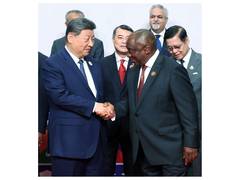
External Affairs Minister S Jaishankar on Friday called for urgent reforms in global governance institutions and stronger multilateral cooperation while chairing the BRICS Foreign Ministers' Meeting session on "Reforms of Global Governance and Multilateral System."
ANI
May 15, 2026 16:00 IST

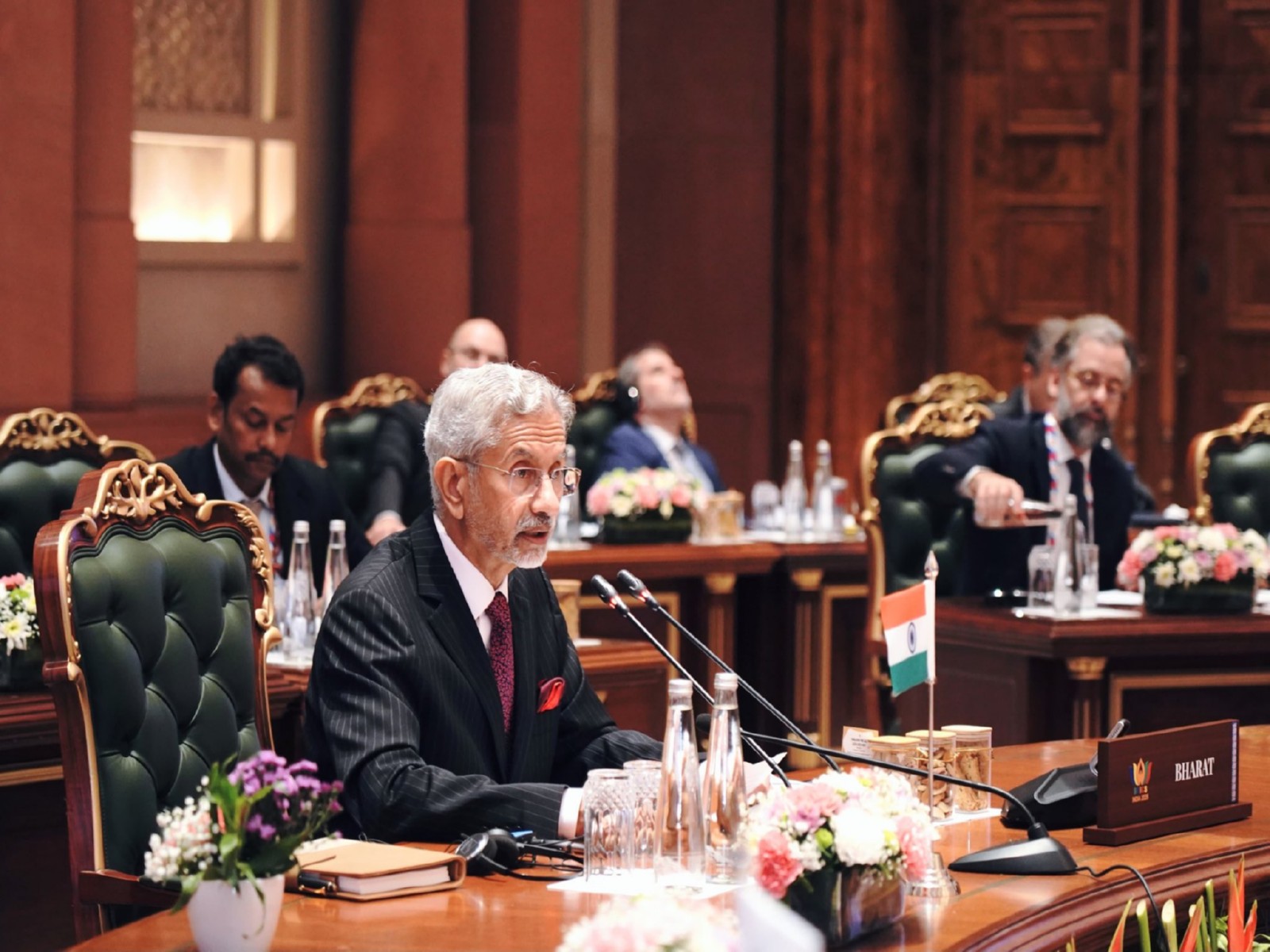
New Delhi [India], May 15 (ANI): External Affairs Minister S Jaishankar on Friday called for urgent reforms in global governance institutions, including the United Nations and a stronger multilateral cooperation.
Chairing the BRICS Foreign Ministers' Meeting session titled "Reforms of Global Governance and Multilateral System," Jaishankar stated that the United Nations needs reforms, including an expanded Security Council, to remain effective.
Further stating that the current global governance structures are outdated he said that India is seeking restructuring of international financial and trading systems.
In a post on X, Jaishankar said the discussions during the BRICS India 2026 Foreign Ministers' Meeting focused on the need for "credible and reformed multilateralism" in an increasingly interconnected and multipolar world.
Chaired the #BRICSIndia2026 FMM session on ‘Reforms of Global Governance and Multilateral System’.
— Dr. S. Jaishankar (@DrSJaishankar) May 15, 2026
Underlined the need for credible and reformed multilateralism in world that is more interconnected, complex and multipolar.
Highlighted :
➡️ The centrality of UN reforms… pic.twitter.com/8FXzzzrB59
"The message from our times is clear - Cooperation is essential. Dialogue is necessary. Reform is overdue," Jaishankar said.
Highlighting India's priorities, the minister stressed the "centrality of UN reforms, including of the Security Council," warning that without expansion in both permanent and non-permanent categories, the effectiveness and credibility of the United Nations would remain limited.
He also emphasised the "timely need for text-based negotiations" to advance UN reforms and called for urgent reforms in the international financial architecture to make multilateral development banks more "responsive, robust and equipped."
Jaishankar further underlined the importance of increasing accessibility to development and climate finance and advocated for a "rules-based, fair, open and inclusive international trading system" with the World Trade Organisation (WTO) at its core.
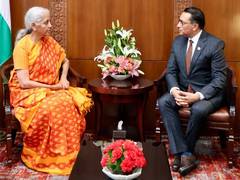
Jaishankar also held bilateral talks with his Iranian counterpart Seyyed Abbas Araghchi on the sidelines of the BRICS meeting in New Delhi.
During the meeting, Araghchi thanked India for hosting the BRICS Foreign Ministers' Meeting and expressed hope that India's presidency would lead to "more coordination and achievements" among member countries.
The Iranian minister also briefed Jaishankar on developments following what he described as the "40-day war," the current fragile ceasefire situation, and ongoing negotiations related to ending the conflict.
The two sides exchanged views on the latest developments in the Strait of Hormuz, maritime security and broader regional stability.
According to the Iranian statement, Jaishankar reaffirmed India's support for diplomatic solutions to international disputes and referred to the "always warm and friendly relations" between India and Iran.
Meanwhile, Araghchi called for urgent reform of global governance institutions and condemned attacks on civilians and infrastructure in Iran during his address on the second day of the BRICS Foreign Ministers' Meeting in New Delhi.
Araghchi urged governments and international organisations to condemn attacks on civilians and infrastructure and reject what he called "double standards."
"The international community must abandon double standards and show that the life of a child in Minab is as valuable as the life of a child anywhere else in the world," he stated.
Turning to global governance, Araghchi said reforming the United Nations Security Council (UNSC) was "not an option, but a necessity for the survival of the United Nations."
"We seek a Council that truly represents all continents and regions of the world, a Council in which power is distributed responsibly and fairly, and not just in the interests of a few abusive and aggressive powers," he said.
Highlighting the role of BRICS, the Iranian foreign minister said the bloc had the potential to become "the backbone of a true multilateralism." (ANI)
Get the App