 हिंदी खबर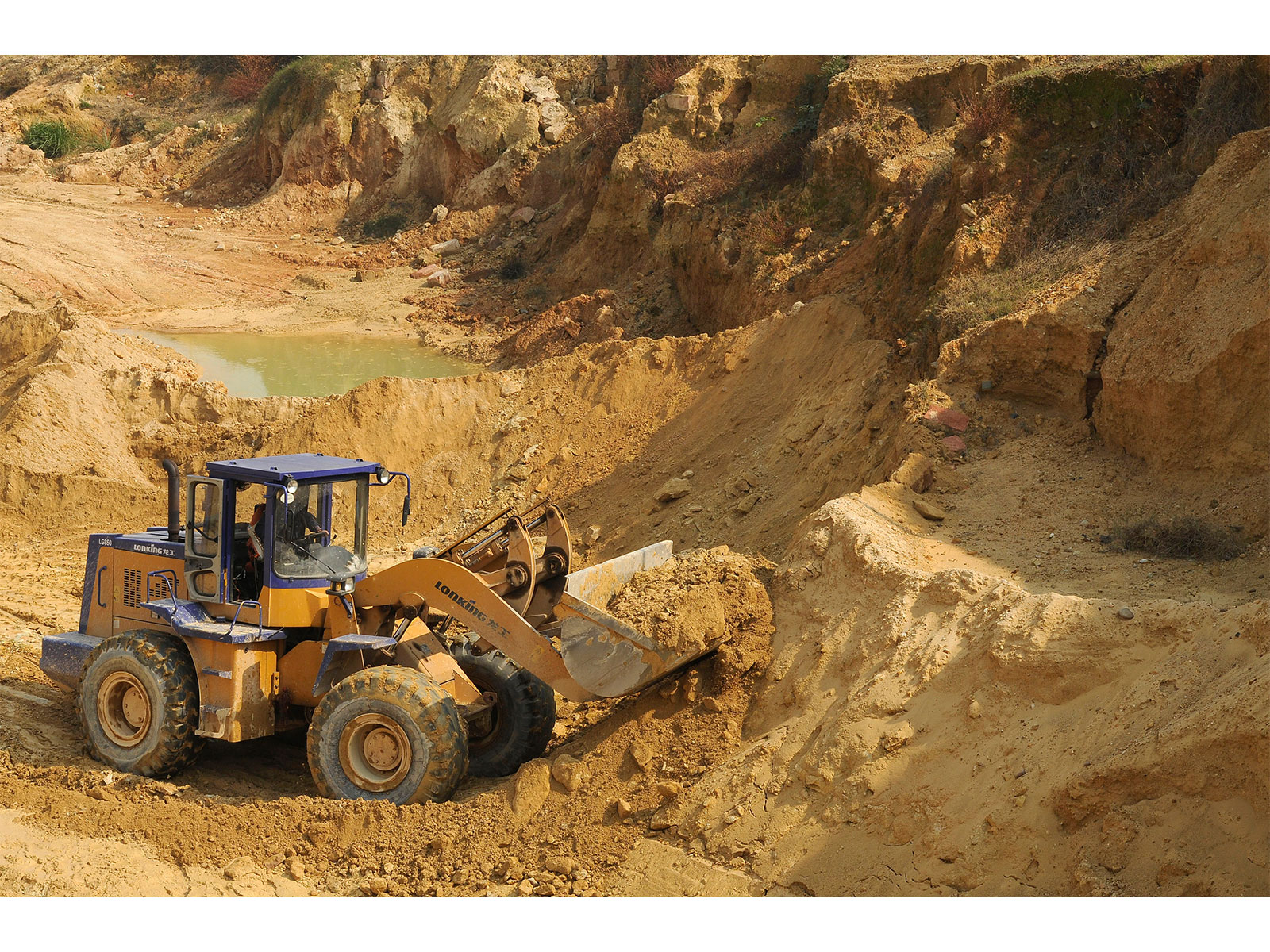

Belem [Brazil], November 15 (ANI): China's tightening control over critical minerals has turned into one of the most debated issues at COP30 in Belem, as leading strategic affairs expert Jagannath Panda warned that the world's clean-energy transition cannot remain dependent on supplies controlled "overwhelmingly by a single authoritarian state."
In a detailed piece published in Turkiye Today following his visit to the summit as an observer, Panda said that rare earths, lithium, copper and other minerals essential for renewable technologies have become "political instruments embedded in the strategic ambitions of the Communist Party of China (CPC)."
Panda wrote that China's dominance, nearly 60 per cent of global rare earth production and around 90 per cent of refining capacity, gives Beijing the ability to "shape, indeed to weaponise, the pace and direction of global decarbonisation."
According to him, this position was not created by market dynamics but by a long-term CPC strategy designed to secure mining zones, monopolise processing, link infrastructure with geopolitical influence and use export controls to pressure competitors.
"These concerns permeate negotiation rooms, civil society events and expert panels across COP30," he observed.
Panda highlighted the Tibetan Plateau as a key extraction frontier for Beijing, noting the presence of major lithium, copper, uranium and heavy rare earth deposits.
A delegation led by Jagannath Panda, Head of SCSA-IPA, and joined by Senior Associate Fellow Richard Ghiasy, travelled to Brazil during the recently held COP30 in Belem and later held high-level discussions in Rio de Janeiro.
As part of their project, "Whither Tibet in Climate Crisis Agenda", the delegation highlighted that the Tibetan Plateau--known as the world's "Third Pole"--is warming nearly three times faster than the global average, the release stated.
While COP30 focused heavily on Amazon conservation, Indigenous rights, and sustainable development, the SCSA-IPA stressed that the Tibetan Plateau remains severely underrepresented, despite undergoing rapid glacial melt, permafrost loss, and destabilisation of river systems that affect nearly 2 billion people across South and Southeast Asia.
He wrote that large-scale projects such as the Qulong copper mine and the Zabuye lithium lake are connected to extensive rail, hydropower and logistics networks that "serve dual purposes: accelerating mineral extraction and advancing Beijing's political and military consolidation of the plateau."
He warned that the ecological consequences are "severe," pointing to soil erosion, glacier depletion, polluted rivers and risks to food and water security across Asia.
The debate intensified this month after Beijing expanded its rare earth export restrictions. China added five new rare-earth metals to controls announced in April, bringing almost all 17 recognised rare-earth elements under tighter scrutiny.
It also added dozens of refining technologies to its restricted list and imposed rules requiring approval for products containing even 0.1 per cent of certain Chinese-sourced minerals.
China has barred the export of materials used in defence systems and said equipment linked to semiconductors and AI will need case-by-case clearance.
Panda added that these measures form "a new layer of structural power," giving Beijing broad control over clean-tech supply chains and even military-related inputs.
In his Turkiye Today analysis, Panda wrote that global climate goals are now directly threatened by China's "opaque, concentrated and politically leveraged" mineral networks.
He said delegates in Belem increasingly agree that the world's green transition cannot remain tied to supply chains that Beijing can restrict at will.
"The contradiction is stark," he wrote. "Global climate goals increasingly rely on minerals extracted from a region suffering profound ecological stress." (ANI)




