China's dislocation warfare raises alarm in Taiwan
Taiwan is strengthening coordination between civilian agencies and government institutions to counter what officials describe as China's evolving strategy to destabilise Taiwan's democratic system. Deputy Interior Minister Ma Shih-yuan said China is expanding beyond traditional tactics such as psychological and legal warfare into newer methods aimed at disrupting governance and weakening society, as reported by The Taipei Times.
ANI
Mar 29, 2026 17:01 IST

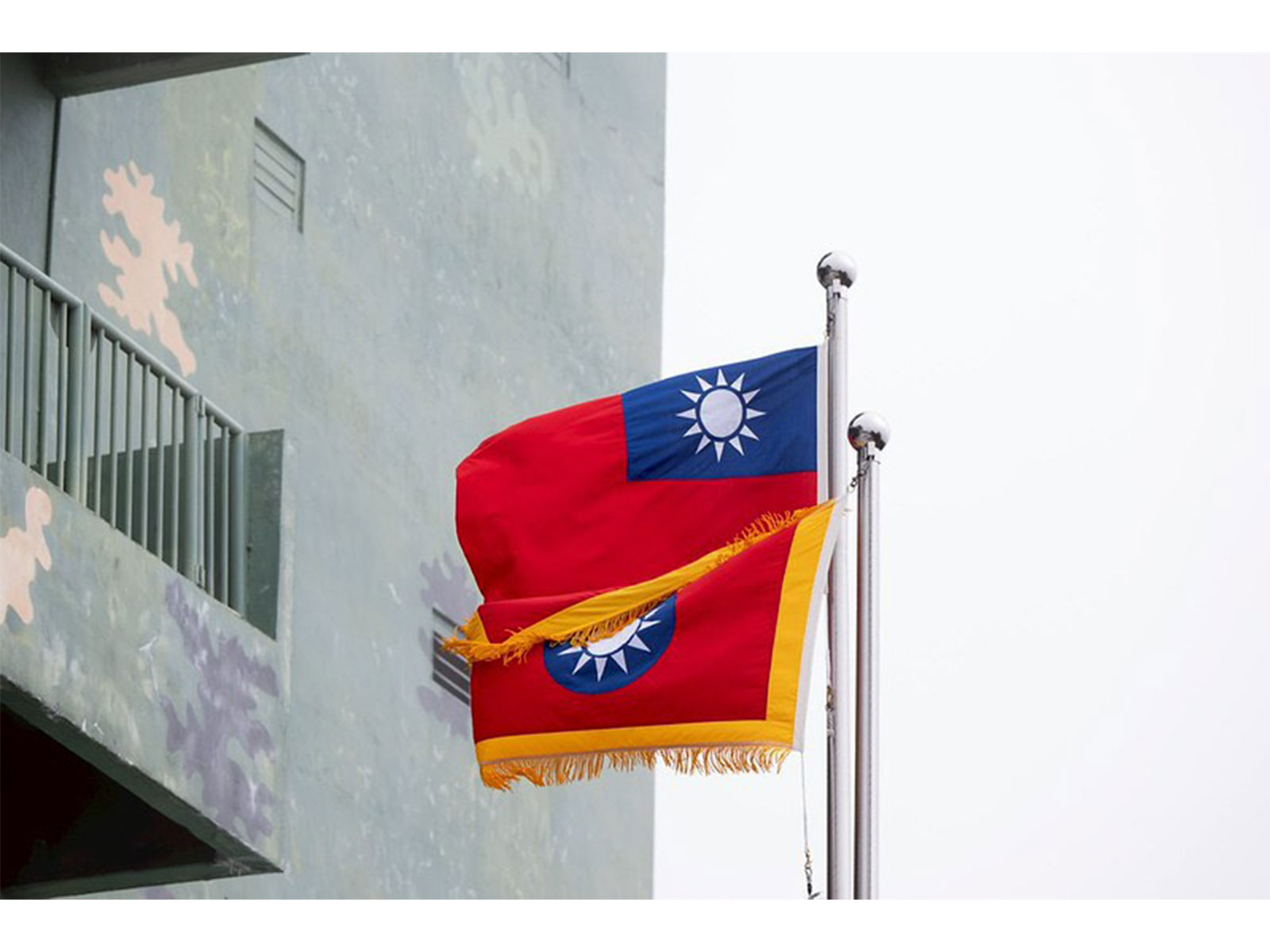
Taipei [Taiwan], March 29 (ANI): Taiwan is strengthening coordination between civilian agencies and government institutions to counter what officials describe as China's evolving strategy to destabilise Taiwan's democratic system. Deputy Interior Minister Ma Shih-yuan said China is expanding beyond traditional tactics such as psychological and legal warfare into newer methods aimed at disrupting governance and weakening society, as reported by The Taipei Times.
According to The Taipei Times, speaking at a civil defence convention in Taipei, Ma stated that "dislocation warfare" seeks to paralyse government operations, while "erosion warfare" involves covert influence and interference within Taiwanese society. He pointed to ongoing legislative gridlock as a possible manifestation of such tactics. Ma stated that Taiwan remains vulnerable if its armed forces, police, firefighters, and civil defence units continue to operate in silos without proper coordination. In response, the Ministry of the Interior has been promoting integrated operational frameworks since Russia's 2022 invasion of Ukraine, drawing lessons from Kyiv's resistance model.
Vice President Hsiao Bi-khim echoed these concerns, saying the Ukraine war had fundamentally altered the global order. She emphasised that safeguarding democracy requires collective societal effort, not just political rhetoric. Highlighting the importance of defence spending, she said real security depends on investments in advanced technologies and multi-domain capabilities across land, sea, air, cyberspace, and space.
Taiwan's broader strategy also includes strengthening domestic technological capacity, which officials say is critical for long-term defence readiness. Without sufficient funding, acquiring essential defence systems would remain difficult, she stated.
Deputy Foreign Minister Francois Wu stated that Taiwan's defensive measures are not driven by fear but by a commitment to preserving democratic freedoms. He reaffirmed Taiwan's support for Ukraine and called for unity among democratic nations in confronting authoritarian threats, as highlighted by The Taipei Times.
Civil society leaders also highlighted the importance of grassroots resilience. Mariia Makarovych highlighted how everyday civil defence can deter aggression, while Liu Wen of the Kuma Civil Defence Education Association said nearly 100,000 citizens have undergone training since 2021. Officials concluded that building societal resilience remains Taiwan's strongest defence against China's mounting pressure, as reported by The Taipei Times. (ANI)
Tags:
Get the App