 हिंदी खबर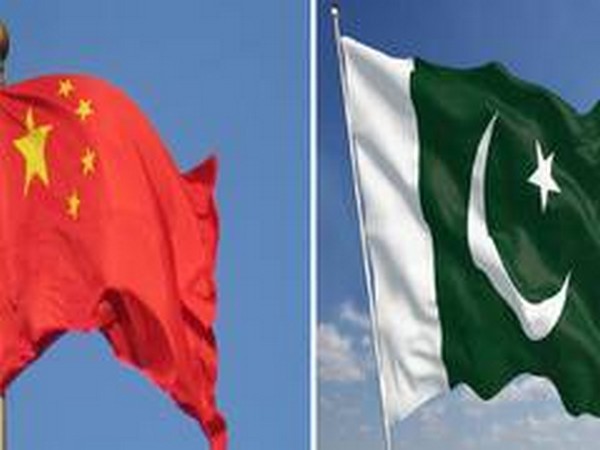

Karachi [Pakistan], January 19 (ANI): The annual bilateral summit of the China-Pakistan Economic Corridor (CPEC) has been delayed due to a serious disagreement between Pakistan and China over the Belt and Road Initiative.
The last meeting of CPEC's principal decision-making body, the Joint Cooperation Committee (JCC) was held in November 2019. The 10th JCC meeting was scheduled in early 2020, but remains postponed, writes Adnan Aamir for Nikkei Asia.
In the past, the JCC meetings have always been held on time and China has agreed to Islamabad's requests most of the time. However, the delay of this meeting is leading experts to believe that the CPEC is derailing.
The ongoing COVID-19 pandemic was the initial reason for the spat, but later disagreements over the Main Line 1 (ML-1) railway project and special economic zones became the main points of disagreement between the two countries, Nikkei Asia further reported citing sources.
Officials in the Planning Commission of Pakistan have said that the 10th JCC meeting will not take place for at least three months, which is by far the longest JCC gap till date.
China is expected to lend USD 6 million for ML-1, the largest CPEC project worth USD 6.8 million. Pakistan wants to borrow the sum lent by China at a concessional interest rate of less than 3 per cent.
China offers a mixture of concessionary and commercial loans for such projects, which can significantly increase the aggregate interest rate Islamabad will face, say planning commission officials.
"China is reluctant to lend money for ML-1 because Pakistan has already sought debt relief to meet G-20 lending conditions and it is not in a position to give sovereign guarantees," Nasir Jamal, a senior journalist in Lahore covering business and the economy, told Nikkei Asia.
Jamal further said that Beijing is reluctant to lend money for large infrastructure projects because such projects are vulnerable to local politics that delay returns on investment for the country. This situation has disrupted the agreement on the financial framework for ML-1.
Andrew Small, a senior trans-Atlantic fellow with the Asia program at the German Marshall Fund, a US think tank, opined that China is more comfortable deferring payments or providing new financing than offering concessional rates in the first place, which provides Beijing with greater leverage and control.
As host countries are under pressure to repay at higher rates, China trades payment deferments in return for influence, which helps it get more favourable arrangements.
The delayed JCC meeting and unsettled ML-1 financial framework are complicating matters for Pakistan.
Earlier this month, Pakistan Railways asked the government for 11 billion rupees (USD 69 million) to provide ML-1 security, according to Nikkei Asia.
Without the Chinese financing framework being agreed by the JCC, it is hard for Pakistan to come up with such a large amount given the state of its economy and severe budgetary constraints.
The other major disagreement between Beijing and Islamabad delaying the JCC meeting is related to Special Economic Zones (SEZs) as matters tax exemptions and requirements for employing local labour have not been finalised and need to be agreed by China.
The Board of Investment of Pakistan submitted the draft agreement for the industrial cooperation framework to the Chinese government last month and is still awaiting a response.
In December 2020, Asim Ayub, the project director for industrial cooperation at the Board of Investment, had pressed for early signing of the industrial cooperation framework agreement.
Pakistan is currently renegotiating its USD 6 million extended fund facility at the International Monetary Fund (IMF), which was suspended in April 2020
The IMF will reportedly resume the program only if Pakistan does not take out any new commercial loans, and that is one of the reasons it is looking for concessions on loans for the ML-1 project, according to Nikkei Asia.
An important long-term implication of this case for other BRI countries could be that China will be more reluctant of lending to countries that have entered loan agreements with global lenders such as the IMF. (ANI)


