BRICS 2026: How India is steering BRICS towards decentralised development amid global challenges
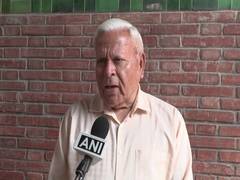
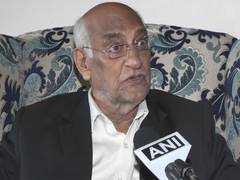
As India prepares to host the 18th BRICS Summit against the backdrop of significant global flux and economic disruptions, prominent foreign affairs expert Professor Srikanth Kondapalli has lauded New Delhi's leadership in steering the bloc toward a decentralised and practical development agenda.
ANI
Sep 09, 2026 13:39 IST

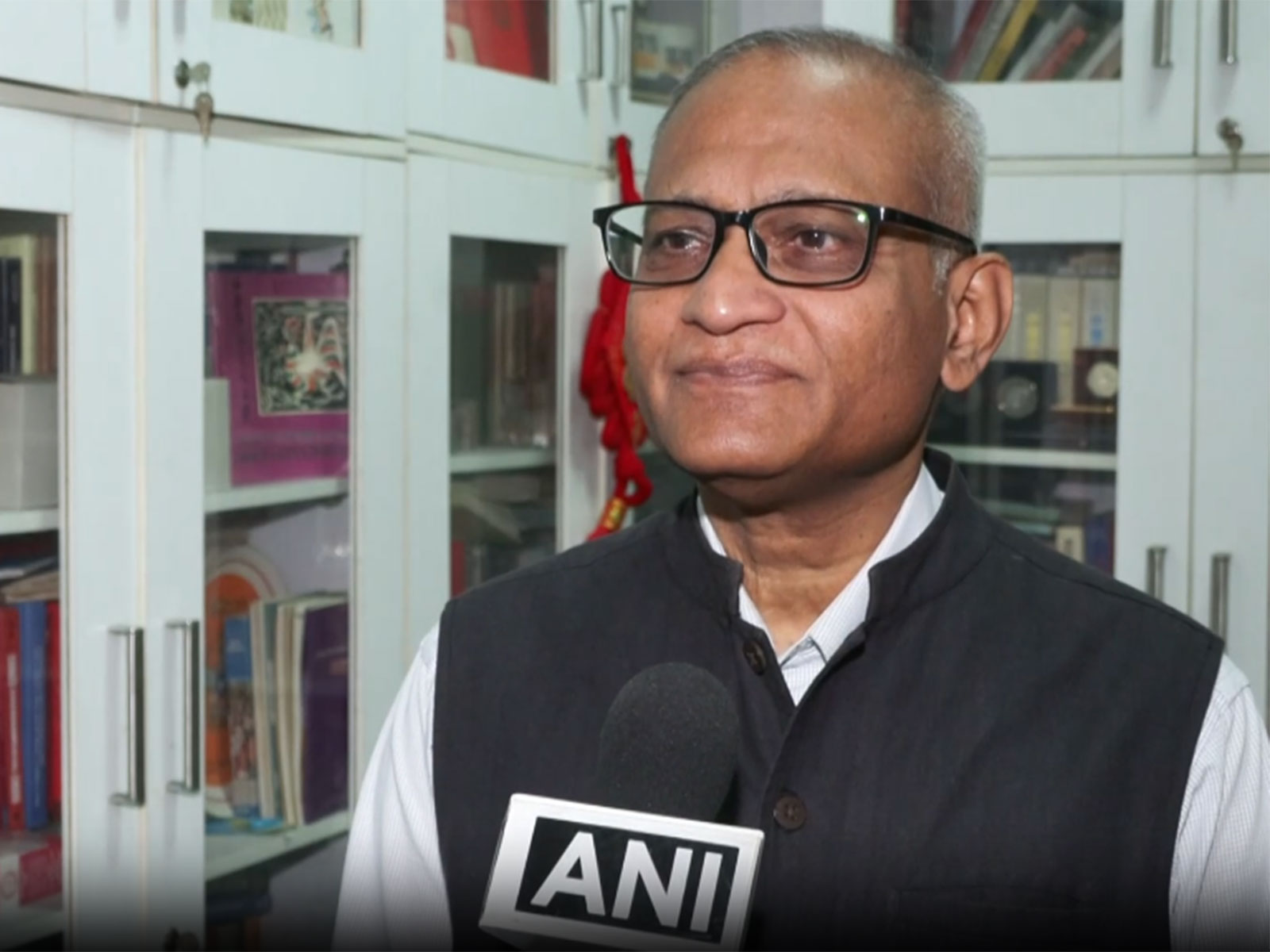
New Delhi [India], September 9 (ANI): As India prepares to host the 18th BRICS Summit against the backdrop of significant global flux and economic disruptions, prominent foreign affairs expert Professor Srikanth Kondapalli has lauded New Delhi's leadership in steering the bloc toward a decentralised and practical development agenda.
Speaking exclusively to ANI, the Jawaharlal Nehru University (JNU) professor highlighted that India’s fourth stint as BRICS host brings a fresh focus on agriculture, startups, climate financing, and artificial intelligence to insulate Global South economies from international shocks.
"This is a new format that India is trying to pursue—a decentralisation process compared to many centralised initiatives," Professor Kondapalli told ANI, noting that New Delhi is driving cooperation beyond top-tier leadership summits into business-to-business and civil society engagements.
He noted that India’s previous BRICS presidencies had also produced substantive outcomes, pointing to the establishment of the New Development Bank in 2016.
“This is the fourth time that India is hosting the BRICS Summit meeting. Previously, the meetings have been very substantial. A previous India hosting of the BRICS led to the formation of NDB, New Development Bank of the BRICS,” he said.
Addressing the global disruptions caused by conflict and supply chain bottlenecks, Professor Kondapalli pointed out that emerging markets and developing countries (EMDCs) face severe trade contractions and financial shocks.
He noted how India's agenda emphasises key aspects of trade, agricultural resilience, startup investment funds, and climate finance to sustain growth rates during geopolitical crises.
Speaking on the rapid expansion of the grouping, Kondapalli said the growing interest in BRICS reflected its rising appeal, but warned that unchecked expansion could make consensus-building and institutionalisation more difficult.
“As you know, in 2009, South Africa joined to form the BRICS. In 2024 in the Johannesburg meeting of the BRICS, they added six countries, out of which five countries have actually joined… Last year, Indonesia joined. So that makes it about 11. It also has 10 partner countries,” he said.
“The Russian foreign minister some three years ago mentioned that 41 countries are applying for BRICS membership. So there is a potential of almost 30 more countries in the queue to join BRICS,” Kondapalli said.
However, he stressed the need for the grouping to balance expansion with cohesion.
Kondapalli said that some partner countries, particularly from Africa and South America, could be considered for membership because of their developing-country status and wider regional significance.
Looking ahead, Kondapalli said BRICS had undergone a substantial transformation over the past two decades and had emerged as a platform with an increasingly broad geographical footprint, with members from South America, Asia, Africa and Europe.
“There is no organisation which is intercontinental other than the United Nations. BRICS has over these two decades established itself as an intercontinental organisation,” Kondapalli added.
He also reflected on the 20-year milestone of the grouping. Professor Kondapalli marked BRICS as a unique intercontinental and intergovernmental body that provides real solutions for the Global South.
Kondapalli said BRICS' importance also lay in its focus on emerging markets and developing countries, along with efforts targeting healthcare, literacy, and infrastructure.
Kondapalli identified the New Development Bank and the Contingency Reserve Fund as among BRICS' most significant institutional achievements, while arguing that much more financing would be required to meet the infrastructure needs of developing economies.
As the world faces contemporary challenges, Professors Kondapalli underlined how the New Delhi Summit will mark a crucial shift toward building institutional resilience and practical capacity across the developing world.
With New Delhi at the helm of the organisation for the fourth time, India’s BRICS Chairship in 2026 is guided by the theme “Building for Resilience, Innovation, Cooperation and Sustainability”, reflecting a people-centric and humanity-first approach. (ANI)
Tags:
Get the App