 हिंदी खबर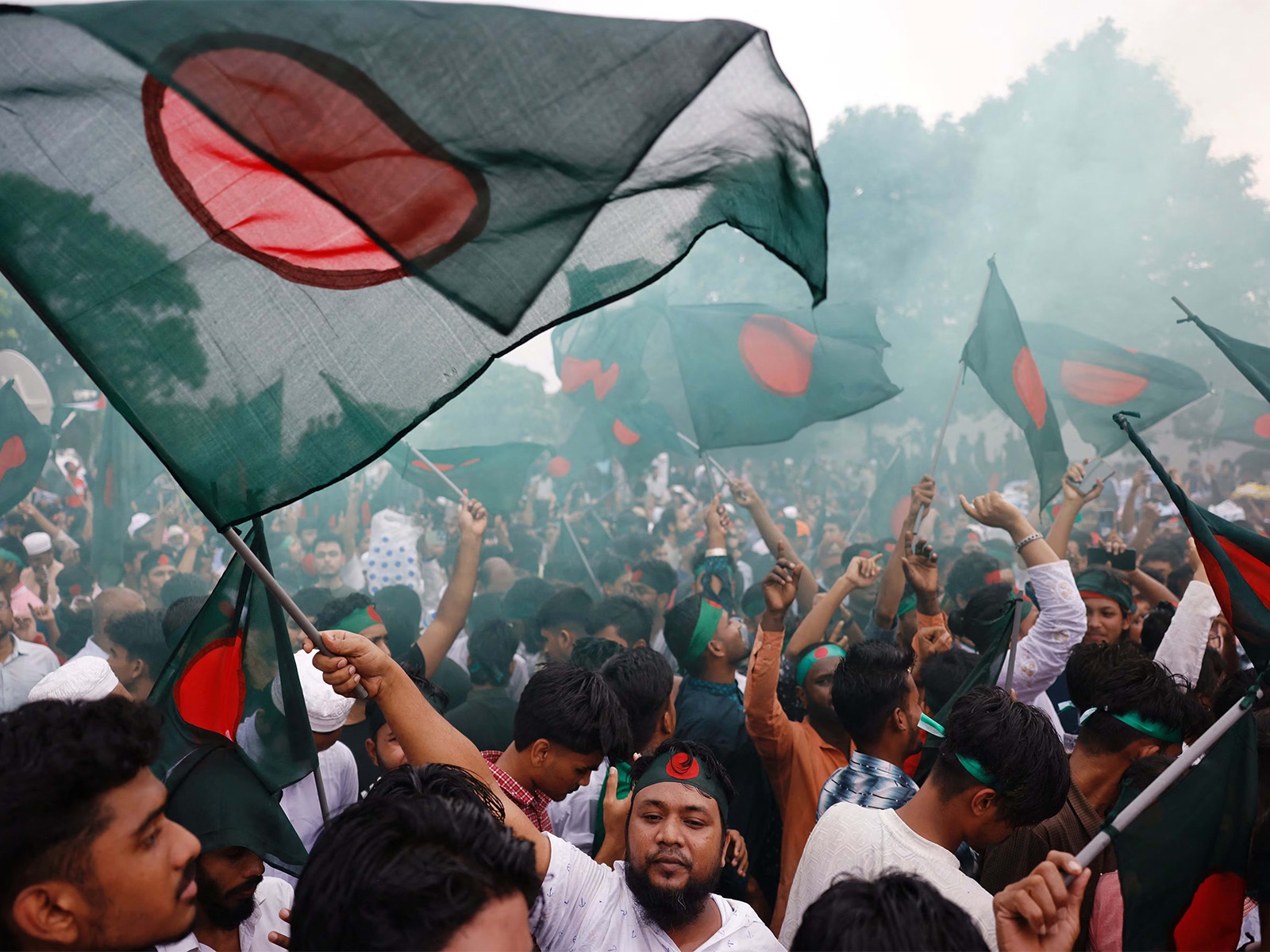

Dhaka [Bangladesh], November 13 (ANI): Bangladesh's interim government has faced sharp criticism after cancelling the recruitment of music and physical education teachers in primary schools, a move widely seen as a capitulation to pressure from Islamist groups.
In an opinion piece published in The Diplomat, journalist Saqlain Rizve writes that the government's November 3 decision for such planned recruitment followed weeks of protests from religion-based organisations that had denounced the plan as "un-Islamic".
The interim administration, led by Chief Adviser Muhammad Yunus, has been accused of abandoning its earlier reformist and secular stance under mounting pressure from conservative forces, writes Rizve in The Diplomat.
As per Rizve, who is a Bangladeshi journalist and photographer covering politics and society from Dhaka, the Bangladesh Ministry of Primary and Mass Education had announced the new teaching positions in August under the Government Primary School Teacher Recruitment Rules 2025, describing them as part of a broader effort to promote children's all-round development. The initiative, however, was abruptly scrapped, with officials citing logistical and management challenges in deploying a limited number of teachers across more than 65,000 government primary schools.
While the explanation appeared administrative, Rizve argues that the timing of the decision suggests a political motive.
Religious organisations had recently urged the government to prioritise religious education over music, claiming that music instruction conflicted with Islamic values. The subsequent policy reversal, therefore, "appears to confirm that the interim government bowed to Islamist pressure," Rizve notes in The Diplomat.
The cancellation has provoked a wave of protests from students, teachers, artists, and cultural activists, who view the move as a betrayal of Bangladesh's secular and creative spirit. Demonstrators across major cities and on social media have called for the restoration of the posts, asserting that music and physical education are vital to nurturing creativity, empathy, and teamwork among children.
"The very identity of the Bangla nation, from Lalon's philosophy to songs by Hason Raja, is founded on culture," many critics wrote online, condemning what they see as a rollback of the nation's cultural foundations, as per Rizve.
Others, however, supported the government's move, arguing that arts and sports classes are unnecessary in primary schools, with some even advocating for military-style physical training instead.
Rizve, in his piece in The Diplomat, observes that this episode highlights a recurring dilemma in Bangladesh's policymaking -- the tension between its secular foundations and the growing influence of conservative religious sentiment.
Since independence, education policy has frequently shifted between accommodating religious groups and upholding secular principles, often at the cost of long-term consistency.
The interim government, which came to power following the fall of former Prime Minister Sheikh Hasina's administration in August 2024, had pledged to restore accountability and neutrality. However, Rizve writes that repeated policy reversals -- including the limited implementation of the Women's Affairs Reform Commission's recommendations on inheritance rights and gender equality -- reveal a pattern of retreat in the face of religious opposition.
"The frequency of reversals in the government's decisions suggests a deeper structural problem that prioritises short-term calm over consistent policy execution," Rizve notes in The Diplomat.
The journalist warns that surrendering to conservative religious pressure could have lasting consequences for the country's education system and its secular character. If creative subjects like music and physical education can be easily removed, he argues, more radical forces could soon shape what children learn and how they perceive the world.
"The growing influence of hardline religious voices in Bangladesh in shaping public policy on cultural issues is worrying. If such matters can be so easily abandoned under religious pressure, it signals a dangerous trend. It could open the door for more radical forces to decide what children learn -- and how they develop their understanding of the world around them," Rizve concludes in The Diplomat. (ANI)


