"Avoid deploying Indian seafarers" through Hormuz, advises DGMA; says their safety remains "central" amid Gulf attacks
Amid continuing attacks on merchant vessels and the heightened security situation in the Gulf, India's Directorate General of Maritime Administration (DGMA) has advised ship owners, ship managers and Recruitment and Placement Service Licence (RPSL) companies to avoid deploying Indian seafarers on vessels undertaking voyages through the Strait of Hormuz until further orders, saying the "safety, security and welfare of Indian seafarers" remain "central" to its mandate.
ANI
Jul 17, 2026 09:19 IST

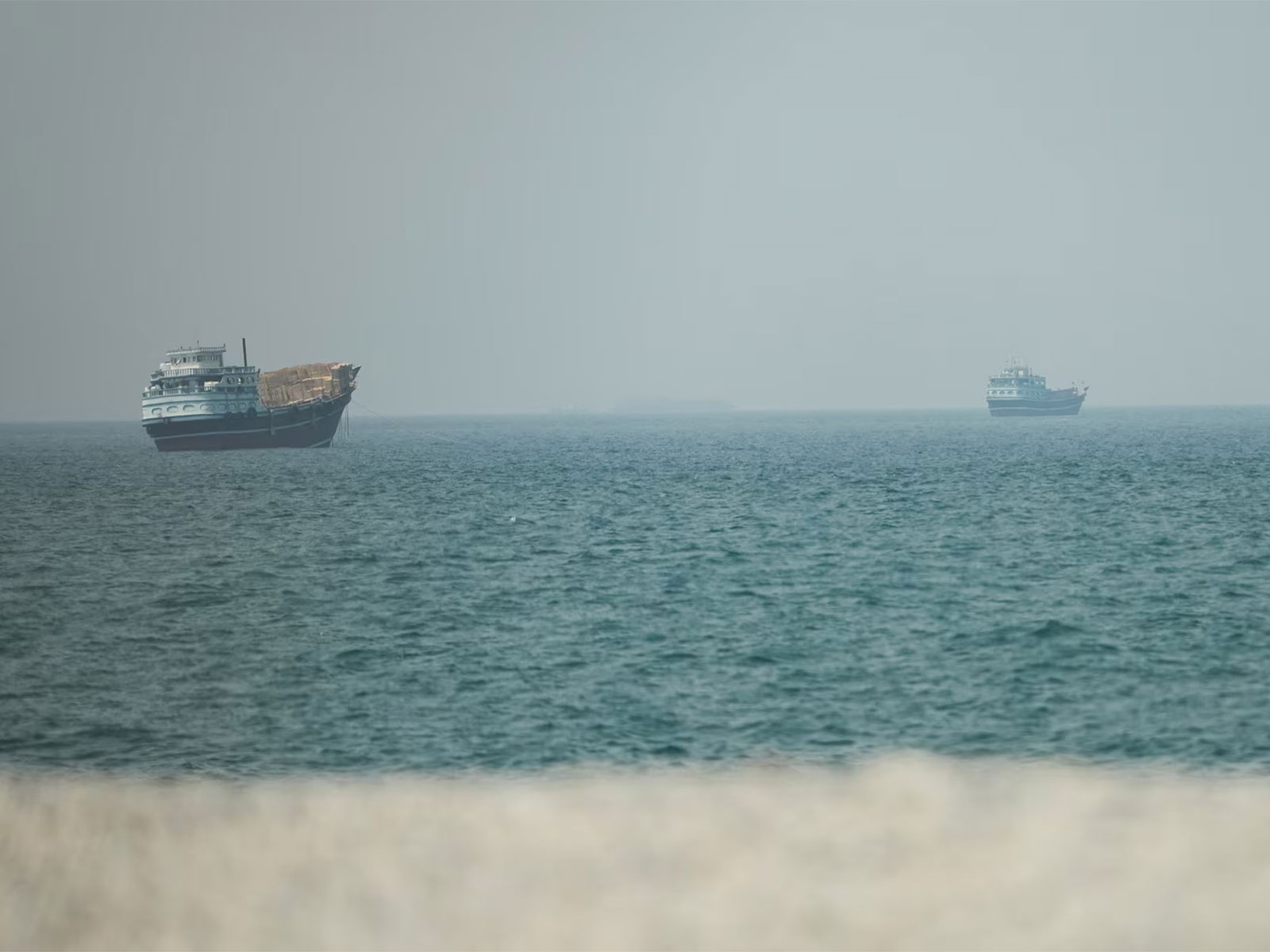
New Delhi [India], July 17 (ANI): Amid continuing attacks on merchant vessels and the heightened security situation in the Gulf, India's Directorate General of Maritime Administration (DGMA) has advised ship owners, ship managers and Recruitment and Placement Service Licence (RPSL) companies to avoid deploying Indian seafarers on vessels undertaking voyages through the Strait of Hormuz until further orders, saying the "safety, security and welfare of Indian seafarers" remain "central" to its mandate.
In a circular published on Wednesday, titled "DGMA Advisory on Precautionary Measures for the Safety and Security of Indian Seafarers in view of the Heightened Security Situation in the Gulf Region", the Directorate said, "The safety, security and welfare of Indian seafarers, and the security of Indian ships, remain central to the mandate of the Directorate General of Maritime Administration."
The advisory cited recent attacks on merchant vessels, including Mombasa B, Al Bahyah, GFS Galaxy, MT WEDYAN, and AL REKAYYAT, saying the incidents over the past few days had "increased the risks faced by seafarers and commercial ships operating in the conflict-affected area significantly."
"In view of the heightened security situation in the Persian Gulf region, including incidents resulting in casualties among Indian seafarers and continuing attacks on merchant vessels during the ongoing conflict, the Directorate considers it necessary to adopt enhanced precautionary measures to safeguard the interests of Indian seafarers serving on board ships operating in the region," the advisory said.
The DGMA directed masters of vessels operating in the Persian Gulf, the Strait of Hormuz and adjoining waters to maintain a heightened level of security vigilance, continuously monitor navigational warnings, security advisories and updates issued by competent authorities, and implement all applicable Ship Security Measures, Ship Security Plans (SSP) and Company Security Procedures in accordance with the International Ship and Port Facility Security (ISPS) Code.
It said, "Masters of vessels operating in the Persian Gulf, the Strait of Hormuz and adjoining waters shall maintain a heightened level of security vigilance, continuously monitor navigational warnings, security advisories and updates issued by the competent authorities, and implement all applicable Ship Security Measures, Ship Security Plans (SSP) and Company Security Procedures in accordance with the ISPS Code."
"Ship Owners, Ship Managers and RPSL Companies are directed to avoid deploying Indian seafarers on vessels undertaking voyages involving passage through the Strait of Hormuz until further orders," it added.
The advisory also asked seafarers and vessels to immediately contact the DG Communication Centre (MMDAC) or the Indian Navy's Information Fusion Centre-Indian Ocean Region (IFC-IOR) for emergency assistance if required.
The advisory comes amid escalating military tensions between the United States and Iran following continued exchanges of strikes in recent days. (ANI)
Tags:
Get the App