ADD ANI AS A TRUSTED SOURCE
googleads
Menu
Asia

Amid rising inflation in Pakistan, Imran Khan govt proposes to raise taxes through mini-budget

Islamabad [Pakistan], December 31 (ANI): With rising inflation in Pakistan, the Imran Khan government on Thursday tabled a mini-budget in the assembly, proposing to raise a variety of taxes in the country to meet certain conditions set by the International Monetary Fund (IMF), reported local media.

ANI Dec 31, 2021 01:51 IST googleads

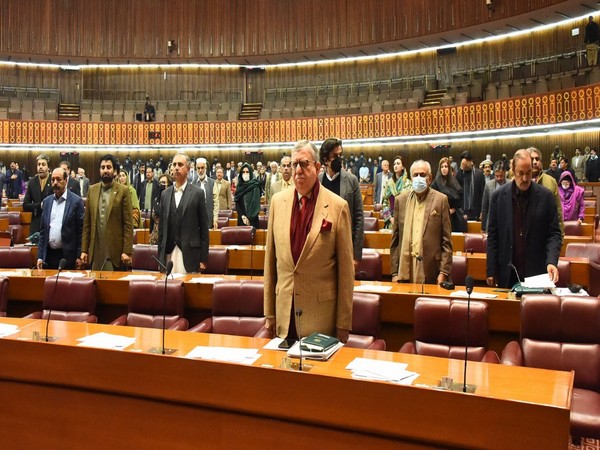
National Assembly of Pakistan. (Image credit: Twitter/@NAofPakistan)

Islamabad [Pakistan], December 31 (ANI): With rising inflation in Pakistan, the Imran Khan government on Thursday tabled a mini-budget in the assembly, proposing to raise a variety of taxes in the country to meet certain conditions set by the International Monetary Fund (IMF), reported local media.
With the passing of the bill, various commodities and services will become expensive in the country. The bill proposes to raise taxes on phones, jewellery, computers, electric vehicles, cars, stationery, services in Islamabad, foreign TV dramas, imported food items and many others, reported Samaa TV.
Amid the protests from the opposition members, Pakistan's Finance Minister Shaukat Tarin on Thursday tabled the supplementary finance bill 2021 (mini-budget) and the State Bank of Pakistan Autonomy bill in the National Assembly.
The government also passed several ordinances through resolutions enraging the opposition. The session has been postponed until Friday when the two bills will likely be put to debate and a vote. Earlier, the federal cabinet approved the supplementary finance bill, paving the way for the increase in the General Sales Tax (GST) on 150 items including smartphones, computers, jewellery, and vehicles, the Pakistani publication added.
With the supplementary finance bill and the SBP Autonomy Bill, the Pakistani government aims to meet certain conditions set by the IMF. It needs to pass the bills before January 12 when the IMF Executive Board will give the final node to a USD 1 billion loan tranche for Pakistan. Under the deal with the IMF, the government has revised its tax revenue target from Rs5829 billion to Rs6100 billion, according to Samaa TV. (ANI)

Get the App

What to Read Next

Europe

Blasphemy laws in Pakistan target religious minorities: GHRD

Blasphemy laws in Pakistan target religious minorities: GHRD

At the 61st session of the United Nations Human Rights Council, the organisation Global Human Rights Defence (GHRD) raised concerns over the continued misuse of blasphemy laws in Pakistan and their impact on religious minorities.

Read More
Asia

MEA rejects Pakistan’s statement on India-Canada deal

MEA rejects Pakistan’s statement on India-Canada deal

"We reject this statement made by Pakistan on the matter. India's credentials regarding non-proliferation are impeccable and well recognised by the global community. A country with a well-documented history of clandestine nuclear proliferation can hardly preach the virtues of export controls and proliferation risks. Such ludicrous statements are nothing more than an attempt by Pakistan to distract from its own abysmal record," he said.

Read More
Asia

India rejects Pakistan's "baseless allegations"

India rejects Pakistan's

India on Thursday rejected Pakistan's allegations of aggravating skirmishes with Afghanistan, calling them "baseless" and accusing Pakistan of blaming others for its own misdeeds.

Read More
Asia

Policy delays leave Pakistan short of critical medicines

Policy delays leave Pakistan short of critical medicines

Pakistan faces a severe shortage of life-saving medicines, including cancer drugs and vaccines, due to government delays in notifying official prices. While global supply remains stable, regulatory hurdles have stalled legal imports, raising concerns over patient survival and the potential rise of unregulated, counterfeit medicines.

Read More
Asia

Pakistan’s outdated mandi system stifles agricultural innovation

Pakistan’s outdated mandi system stifles agricultural innovation

Pakistan's fruit and vegetable supply remains dominated by traditional middlemen and the "mandi" system, with digital platforms handling only 2-3% of trade. Restrictive provincial laws and lack of infrastructure force farmers into dependency on commission agents, stalling modern technological transformation in the agricultural sector.

Read More
Home About Us Our Products Advertise Contact Us Terms & Condition Privacy Policy

Copyright © aninews.in | All Rights Reserved.