Afghanistan: 36 cases of Crimean-Congo hemorrhagic fever reported in Herat in two months
As many as 36 cases of Crimean-Congo hemorrhagic fever have been reported by doctors in Afghanistan's Herat in the past two months.
ANI
Jun 30, 2023 18:37 IST

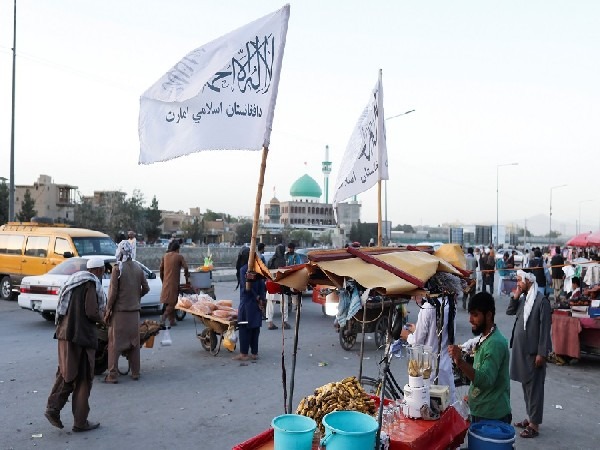
Kabul [Afghanistan], June 30 (ANI): As many as 36 cases of Crimean-Congo hemorrhagic fever have been reported by doctors in Afghanistan's Herat in the past two months, including five deaths, Afghanistan-based Khaama Press reported.
Mohammad Asif Kabir, Deputy Public Health of Herat, has said that the number of cases witnessed a rise this year. According to Mohammad Asif Kabir, the rise in cases has sparked concern among authorities about the spread of diseases, particularly throughout Eid-ul-Adha, the report said.
Earlier, three cases of Congo fever were reported in Takhar province and one of the three patients died. According to officials, 91 people in Afghanistan have been infected by Crimean-Congo hemorrhagic fever during the last week. The officials further said that seven people have died due to the disease during this summer, Khaama Press reported.
Hayatullah Emami, director of Takhar Provincial Hospital, said, "We are fully prepared because this disease is not new, and we have better measures in Takhar provincial hospital than in the past" according to the Khaama Press report. According to World Health Organization (WHO), Crimean-Congo haemorrhagic fever (CCHF) is a widespread disease caused by a tick-borne virus (Nairovirus) of the Bunyaviridae family.
The CCHF virus causes severe viral haemorrhagic fever outbreaks, with a case fatality rate of 10-40 per cent. The WHO in a statement said, "The CCHF virus is transmitted to people either by tick bites or through contact with infected animal blood or tissues during and immediately after slaughter."
Earlier in May, the health department of Afghanistan's Balkh province reported that two people have died due to Crimean-Congo haemorrhagic fever (CCHF) in Afghanistan's northern region, Afghanistan-based TOLO News reported.
A total of ten positive cases of CCHF have been recorded in the region, according to TOLO News. Local Balkh officials said that incidents of this illness were rising in the country's north, and they urged religious leaders and the media to warn people about the dangers associated with the disease's spread.
Najibullah Tawana, Director of the health department of Balkh, said, "Ten positive cases of Congo have been recorded; sadly, we had two deaths. The Abu Ali Sinai regional hospital in Balkh has its own particular preparations, and the 50-bed Antani hospital is also ready." (ANI)
Tags:
Get the App