Activist urges UNHRC to hold Pakistan accountable for atrocities in PoJK, PoGB
Pakistan-occupied Jammu and Kashmir (PoJK) as well as Pakistan-occupied Gilgit Baltistan (PoGB) continue to remain on the receiving end of atrocities inflicted by Pakistan to continue its control over the area.
ANI
Sep 27, 2024 16:55 IST


Geneva [Switzerland], September 27 (ANI): Pakistan-occupied Jammu and Kashmir (PoJK) as well as Pakistan-occupied Gilgit Baltistan (PoGB) continue to remain on the receiving end of atrocities inflicted by Pakistan to continue its control over the area.
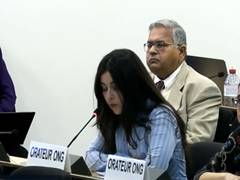
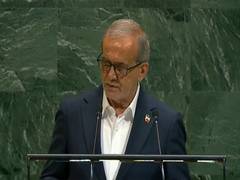
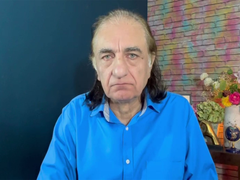
During the ongoing 57th Regular Session of the United Nations Human Rights Council (UNHRC) activists Mehmood Kashmiri and Sajid Hussain raised their concerns over Paksitan-inflicted human rights atrocities in PoGB and PoJK.
Hussain in his intervention at the session demanded that the UNHRC must prioritise finding the follow-up on the UN High Commissioner for Human Rights' reports from 2018 and 2019.
He said that the reports by the UN High Commissioner addressed the grave human rights violations in forcibly divided PoGB and PoJK.
According to Hussain, "These reports brought to light critical issues such as excessive use of force, arbitrary detention, and severe restrictions on freedoms of expression and association. There is a deteriorating situation in Rawalakot, PoJK, where Islamic radical forces are exerting pressure and issuing fatwas (religious decrees) against activists involved in rights movements. These decrees can result in various forms of harassment, physical violence, or even threats to life, particularly when directed at activists challenging the status quo. This development can lead to significant intimidation, fear, and the suppression of voices advocating for human rights in the region."
While referring to the case of human rights defender, Asma Batool from Hajira, PoJK, Hussain mentioned that her poem which caught the attention of extremist groups caused her severe problems.
"She was arrested by the government under blasphemy charges, putting her life in grave danger. Similarly, Arsalan from Arja, Bagh, was arrested and detained, and their families are facing harassment and receiving life threats. Freedom of expression is severely compromised in our region under Pakistan's administration, where religion is weaponized against human rights defenders."
He claimed that, "Those who raise their voices for the voiceless are targeted by pro-government clerics, who issue fatwas declaring their activities as anti-Islamic. Asma and Arsalan endured more than 10 days of persecution and solitary confinement. In addition, many terrorist groups operate under government supervision, posing a serious threat to secular, democratic, and progressive individuals like Asma Batool. The Council should take urgent note of this situation and call on Pakistan to protect the lives of its people and put an end to extremism and terrorism in our region."
Another activist Mehmood Kashmiri also raised serious concerns regarding grave human rights violations occurring in PoJK which he claimed needed the urgent attention of the UN.
"The native population of this troubled region is suffering immensely between extremist forces that exploit religion as a tool for proxy war and political gains. Recently, a fatwa issued by religious clerics, including Mawlana Quddus and others in Rabla court, Poonch Azad Kashmir, inciting violence and the murder of the secular nationalist leaders and rights activists have raised serious concern," Kashmiri said.
He claimed that some extremists also openly operate in cities.
"Masked armed extremists openly operate in cities, indicating a deliberate state attempt to suppress nationalist movement under the guise of religious extremism. These so-called clerics travel to Western countries to raise funds while issuing fatwa calling for the murder of the peaceful people back home. We urge the Western countries to ban such extremist clerics from entering their country," he said. (ANI)
Get the App