 हिंदी खबर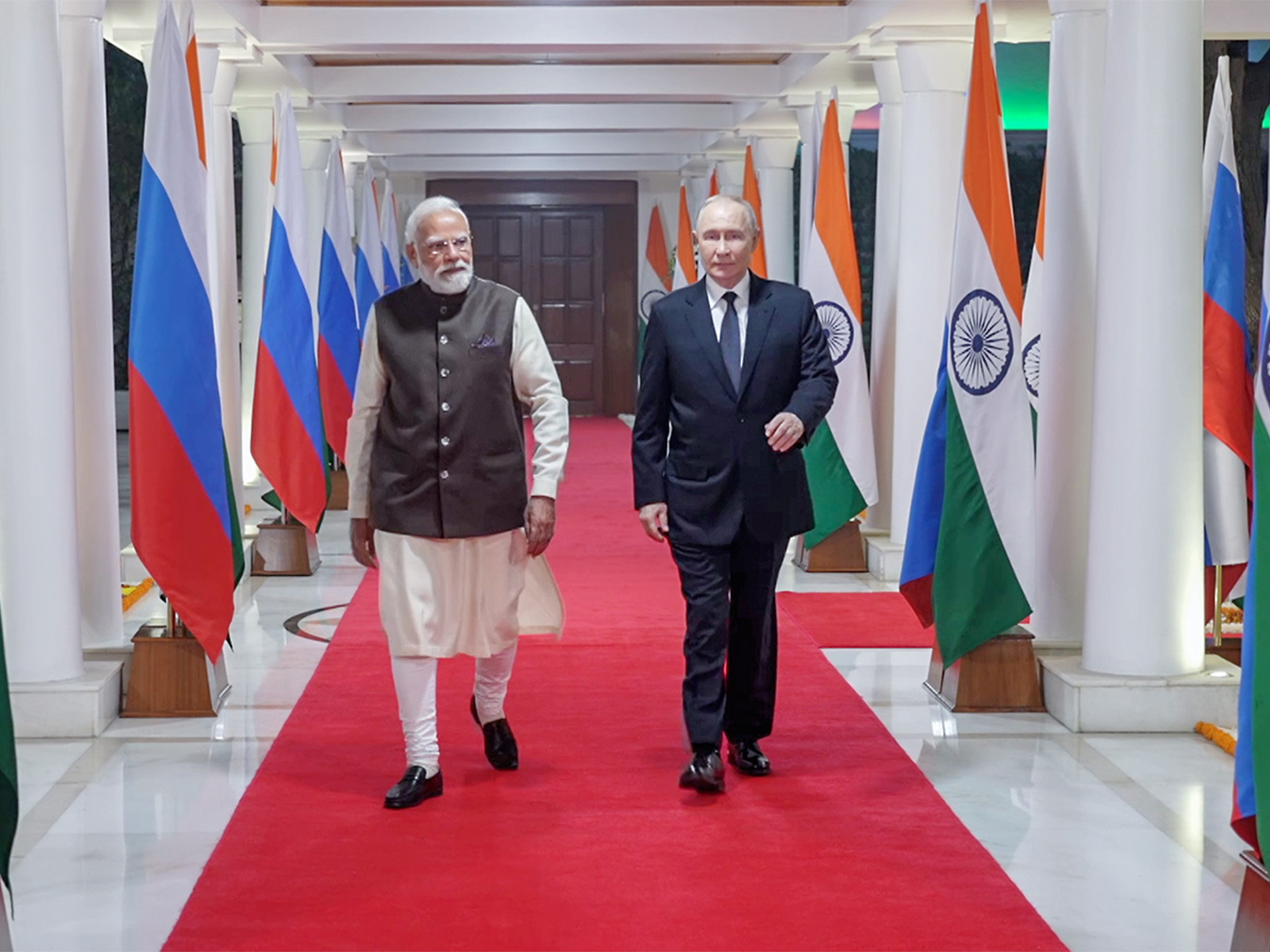

New Delhi [India], December 31 (ANI): In a year marked by wars, sanctions and sharpening trade tensions, India-Russia relations were put to a clear test. As Western pressure intensified on Moscow over the Ukraine conflict and on New Delhi over its continued imports of Russian crude, the two countries leaned on their long-standing strategic partnership to navigate a sanction-hit global order.
Western pressure on Russia over the Ukraine conflict remained intense, with fresh restrictions on oil exports and financial system. India, meanwhile, found itself under growing scrutiny from the United States for continuing to buy Russian crude. US President Donald Trump's administration imposed higher tariffs on Indian goods and repeatedly warned New Delhi against its energy ties with Moscow.
India's position, however, remained consistent through the year. The Ministry of External Affairs made it clear that decisions on energy imports would be guided by national interest, affordability and the needs of Indian citizens, not by external pressure.
Russian President Vladimir Putin publicly backed India's stance. Referring to the additional 25 per cent tariff imposed by the US for continued Russian oil purchases, which took the total tariff burden to 50 per cent, Putin said Indians would never allow themselves to be humiliated. He described Prime Minister Narendra Modi as a "balanced and wise" leader who acts in the nation's interest, according to RT.
Even as global tensions rose, diplomatic engagement between India and Russia did not slow down. External Affairs Minister S Jaishankar and Russian Foreign Minister Sergey Lavrov met six times during the year, across cities stretching from Moscow and New York to Tianjin, Rio de Janeiro and Johannesburg.
The diplomatic push culminated in President Putin's tenth visit to India in December, his first since the outbreak of the Russia-Ukraine war. The visit carried symbolic weight, signalling that despite sanctions and global criticism, Moscow continued to see New Delhi as a key partner.
Former Indian ambassador to Russia D.Bala Venkatesh Varma described the relationship as one built on long-term needs rather than temporary alignments. He pointed to the personal rapport between the two leaders, strategic convergence and public goodwill as factors that helped the relationship stay steady in uncertain times.
"India-Russia relations are characterised by long-term essentiality for both countries. There is extraordinary personal rapport between Prime Minister Modi and President Putin, strategic convergence of interests, and popular sentiment among the people of both nations. These factors will ensure stability as both countries navigate a turbulent international system," Varma told ANI.
Economic ties told a similar story of resilience. Bilateral trade reached a record USD 68.7 billion in FY 2024-25, driven mainly by India's imports of Russian crude oil, fertilisers and coal. Indian exports, including pharmaceuticals, chemicals, steel and engineering goods, also continued to grow.
US pressure over Russian oil remained a recurring issue. President Trump publicly linked India's energy choices to trade tariffs. India countered by arguing that its purchases had helped stabilise global energy markets at a time when prices were volatile and supply chains fragile.
During his August visit to Russia, External Affairs Minister Jaishankar questioned the logic of secondary sanctions and said that India was "perplexed" at Washington's logic of secondary sanctions, he added that India's energy choices had helped cushion global price shocks rather than exacerbate them.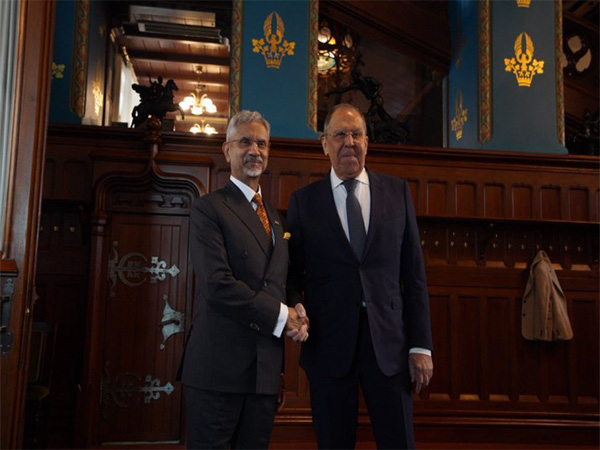
At the India-Russia annual summit in Delhi in December, both sides reiterated their goal of taking bilateral trade to USD 100 billion by 2030. Agreements signed during the visit covered energy, pharmaceuticals, infrastructure, media and industrial cooperation.
Defence cooperation, long the strongest pillar of India-Russia ties, also showed signs of change. In 2025, the relationship moved beyond simple arms purchases towards co-production and technology sharing.
At the Aero India airshow in Bengaluru, Russia's Su-57 stealth fighter attracted attention and revived debate in India over the need to modernise its air force. Moscow offered a range of options, including local manufacturing and joint development, in line with India's push for self-reliance.
India also signed a USD 248 million deal with Rosoboronexport for 1,000-horsepower engines to upgrade the Indian Army's T-72 tanks. The agreement includes technology transfer and local production, providing a boost to domestic defence manufacturing.
Joint military exercises such as INDRA-2025 enhanced operational coordination between the two armed forces, while discussions continued on deeper research and development cooperation in advanced weapons systems.
A key moment of the year came in May during Operation Sindoor, when Indian carried out strikes on terror infrastructure in Pakistan and Pakistan-occupied Jammu and Kashmir, in response to Pahalgam terror attack which killed 25 civilians and one tourist.
Russian-origin S-400 air defence systems, acquired by India despite earlier threats of US sanctions, were widely credited with significantly strengthening India's air defence system during the operation. Prime Minister Modi publicly praised it, calling it a major boost to national security.
The episode reinforced New Delhi's position that defence preparedness and national security decisions cannot be dictated by external pressure.
Another major development was the operationalisation of the Reciprocal Exchange of Logistics Agreement (RELOS), aimed at improving coordination during joint military exercises, disaster relief operations and other engagements. The agreement was ratified by Russia's parliament and signed into law by President Putin in December, and is seen as a step towards deeper interoperability between the two armed forces.
India and Russia also maintained close coordination on multilateral platforms such as BRICS and the Shanghai Cooperation Organisation (SCO), where both countries consistently opposed bloc politics and unilateral coercive measures.
A symbolic moment came in September at the SCO summit in Tianjin, China, when Prime Minister Modi and President Putin shared a ride in a Russian-made Aurus Senat limousine. 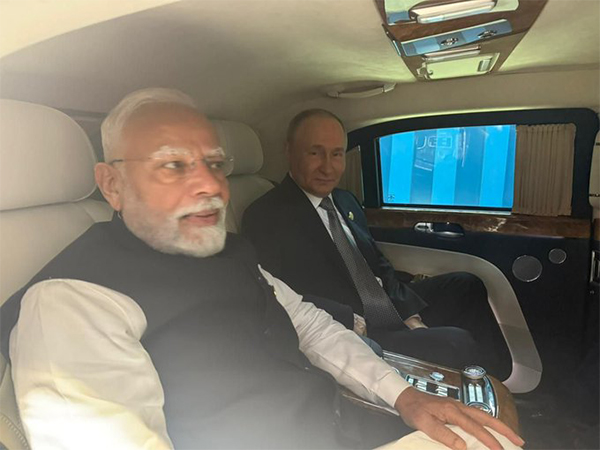
Beyond geopolitics and defence, 2025 also highlighted the softer dimensions of the relationship. Cultural exchanges, academic cooperation and growing interest in yoga and Indian cinema across Russia added depth to bilateral ties.
The launch of RT India during President Putin's visit underscored renewed media cooperation, as both sides acknowledged the dominance of Western narratives in the global information space.
Two agreements signed during the Delhi summit, one on temporary labour mobility and another on curbing illegal migration, pointed to future cooperation in workforce exchange. With Russia expected to require nearly 10 million workers by 2030, India's young and skilled workforce emerged as a natural partner.
As 2025 came to an end, India-Russia ties stood tested but far from weakened. Energy trade, defence cooperation and steady diplomacy helped both sides navigate a year shaped by sanctions and pressure. (ANI)
A partnership tested: India-Russia ties in sanction-hit world
By Aditi Pandey | Updated: Dec 31, 2025 18:44 IST


