2019 saw deepening of India's diplomatic engagement, new energy in ties with the Gulf
New Delhi [India], Dec 31 (ANI): India's diplomatic engagement continued with vigour in the second term of Narendra Modi government with improved ties with important countries in the Gulf paying dividends in a year when Pakistan made desperate and unsuccessful bids to internationalise internal decision to repeal Article 370 in Jammu and Kashmir.
ANI
Dec 31, 2019 20:28 IST

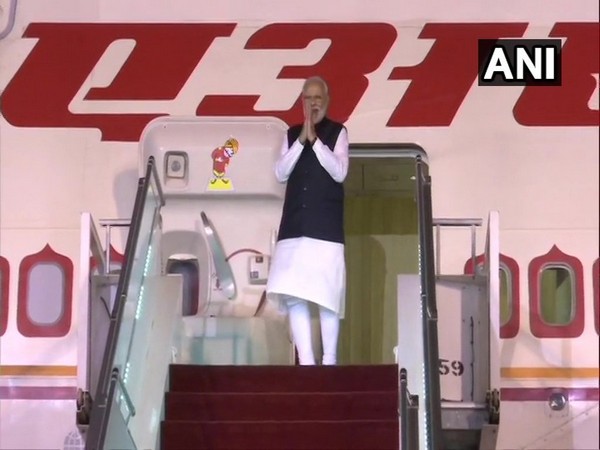
New Delhi [India], Dec 31 (ANI): India's diplomatic engagement continued with vigour in the second term of Narendra Modi government with improved ties with important countries in the Gulf paying dividends in a year when Pakistan made desperate and unsuccessful bids to internationalise internal decision to repeal Article 370 in Jammu and Kashmir.
The return to power of PM Modi in May saw induction of former Foreign Secretary S Jaishankar as the External Affairs Minister. Apart from the bilateral visits and annual dialogues with major countries in the world, the year saw the second 2+2 dialogue with the US.
The Prime Minister participated in a number of significant international gatherings including SCO, G7, G20 and the 74th session of the UNGA. He was conferred highest civilian honour by Saudi Arabia, UAE, Bahrain, Russia and Maldives.
UN condemned "in strongest terms" Pulwama terror attack carried out by JeM and the international community backed India after the Balakot airstrike on a terror camp in Pakistan even as Islamabad resorted to warmongering.
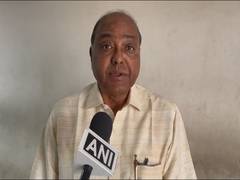
Shashi U. Tripathi, a former Secretary (West) in MEA, said that improvement in ties with the Gulf countries will help India contain Pakistan.
"We need maritime access through the gulf for trade and commerce. We depend on the gulf for our oil and energy security. Lakhs of Indians work in the gulf and repatriate funds back home. Having friends in the Islamic world helps our case against Pakistan's support for terrorism. As you saw, both Saudi Arabia and Emirates termed the abrogation of Article 370 an internal matter of India," Tripathi told ANI.
"PM Modi's visits have created tremendous goodwill for India which translates into attitudes beneficial to India in different sectors like trade, security, environment, investments, fight against terrorism, support in the UN and international bodies on matters political and strategic, to mention a few. Whether you like Modi or not, you have to accept that he's been successful in making friends and influencing people to the cause of India," she added.
The year saw expansion in ties between India and the US. Prime Minister Narendra Modi addressed a gathering at Houston with US President Donald Trump, which was the biggest such gathering addressed by a visiting leader in the US.
Former Ambassador Surendra Kumar said that India and US relations have never been better. "The relations between India and US have never been as good since Independence. It does not mean we don't have problems. We have disputes over trade," he said.
Kumar, who has been a High Commissioner to Kenya Swaziland and Malta, said India's relations with several world powers including China and the US improved while relations with the Gulf nations and Israel also gained strength.
Srabani Roy Choudhury, a professor at JNU, said India having good ties with the Gulf countries and also with Israel was a reflection of its independent foreign policy.
"The strengthening of relations with Gulf and Israel reflects that India has independent foreign policy," she said.
Here's a look at key international visits undertaken by Prime Minister Modi during the year.
South Korea: Prime Minister Modi visited South Korea on February 21-22 and the countries signed six agreements in sectors such as trade and defence. Prime Minister Modi was also conferred Seoul Peace Prize.
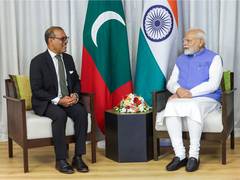
Maldives and Sri Lanka: The Prime Minister chose the Maldives as his first foreign destination after returning to power in the second term. He also made a stopover visit to Sri Lanka after concluding his trip to the Maldives. The trip signified Modi's continued emphasis on 'Neighbourhood First Policy'.
During his visit to Maldives, Modi was conferred Nishan Izzudeen medal--the highest honour accorded to foreign dignitaries. The Prime Minister also addressed People's Majlis. Both the countries signed six agreements including a Memoranda of Understanding in health.
In Sri Lanka, the PM met leaders including the then president Maithripala Sirisena. The visit was significant as it was the first visit by a world leader after the April Easter Bombings which left over 250 people dead.
Kyrgyzstan: The Prime Minister arrived in Bishkek on June 13 to attend the two-day Shanghai Cooperation Summit (SCO). On the sidelines of the summit, Modi held several bilateral meetings including with Chinese President Xi Jinping, Russia President Vladimir Putin, Afghanistan President Ashraf Ghani and Kyrgyz President Sooronbay Jeenbekov.
Japan: The Prime Minister reached Osaka in Japan on June 27 for the G20 summit. During his three-day visit, Modi held several bilateral engagements and three multilateral meetings. The G20 leaders resolved to prevent use of internet to fund and facilitiate terrorism and extremism. He also had pull-aside meetings with the World Bank President Giuseppe Conte and President of Chile Sebastian Pinera.
Bhutan: PM Modi reached the country on August 17 for a three-day visit. Thimphu and New Delhi signed nine MoUs and one power purchase agreement during the visit. India made a commitment of Rs 5,000 crores to Bhutan as a part of development assistance for its 12th five-year plan.
Days after concluding his Bhutan trip, Modi went on a three-nation visit to France, UAE and Bahrain from August 22 to 27. In a span of five days, Prime Minister Modi made two trips to France.
France: Modi reached Paris on a bilateral visit on August 22 and held talks with French President Emmanuel Macron. Both leaders inked several agreements including on maritime awareness. On August 23, Modi flew to UAE and then to Bahrain. On August 25, he came back to France to attend G7 Summit as a Biarritz partner.
UAE: Prime Minister Modi was conferred with the 'Order of Zayed' by the Crown Prince of Abu Dhabi Sheikh Mohammed bin Zayed Al Nahyan.
Bahrain: In Bahrain, Prime Minister Modi was honoured with 'The King Hamad Order of the Renaissance' during his meeting with the King of Bahrain.
Russia: Prime Minister Modi reached Russia's Vladivostok to attend 20th India Russia annual bilateral summit and fifth edition of the Eastern Economic Forum (EEF) on September 4. Modi and Putin held bilateral and delegation-level talks. They had signed various agreements in the field of military and technical cooperation, energy and science.
United States: Modi had a productive trip to the United States in September during which he had a bilateral meeting with President Donald Trump, addressed UNGA and climate change conference and had meetings with leaders of several countries.
A highlight of the packed trip was his address at the 'Howdy, Modi!' event in Texas, which was attended by around 50,000 people from the India-American community.
Saudi Arabia: The Prime Minister visited the country on October 28. New Delhi and Riyadh signed 12 agreements and MoUs in key sectors including defense renewable energy and security. He held talks with Saudi King Salman bin Abdulaziz AL-Saud.
Thailand: Prime Minister Modi went on a three-day visit to Thailand from November 2 during which he participated in ASEAN-India, East Asia and Regional Comprehensive Economic Partnership (RCEP) summits. During the summit, India announced that it will not join the RCEP agreement as its key concerns have not been addressed.
Brazil: Modi went to Brazil for three-day visit from November 13 for 11th BRICS summit. Apart from attending the summit, Modi held several bilateral meetings including with President Vladimir Putin, Chinese President Xi Jinping and Brazilian President Jair Bolsonaro. (ANI)
Tags:
Get the App