 हिंदी खबर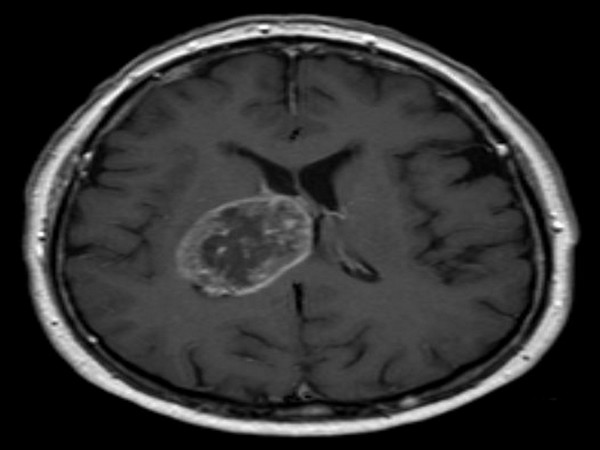

Washington [US], August 22 (ANI): High-grade gliomas, or brain tumours, in dogs contain more immune cells associated with suppressing immune response than low-grade gliomas, as per the findings of a new study.
The work, which was published in the journal Veterinary Pathology, is the most extensive examination of immune cell infiltration in canine glioma to date, adds to the body of evidence that these brain tumours might recruit cells that aid in immunosuppression. The findings could have implications for future immunotherapy-based glioma treatments in both humans and dogs.
Glial cells are support cells located throughout the brain and spinal cord. When those cells become cancerous, the resulting tumour is called a glioma. In dogs, gliomas are the second most common type of tumour in the central nervous system and represent about 35 per cent of all intracranial cancers.
Median survival time for dogs with glioma treated with radiation therapy ranges from nine to 14 months, which is similar to the 14 months median survival time for humans treated with a combination of surgery, radiation and chemotherapy.
There are three types of canine glioma: oligodendroglioma, astrocytoma or undefined glioma. Each of these subtypes can be further classified as low or high grade based on certain microscopic features. Although glioma subtype and grade affect survival and treatment choice in humans, it is currently unknown whether the same is true for dogs.
Immunotherapy harnesses the power of the body's immune system to attack cancer. Though immunotherapy has shown promise in certain types of cancers, it hasn't been successful in glioma in humans, possibly because gliomas have been shown to suppress the immune system in order to facilitate tumour growth.
Researchers are trying to better understand the interaction between glioma and the immune system with hopes of improving therapeutic outcomes.
"If we want to pursue immunotherapy for glioma, we first need to understand how these tumours interact with the immune system," said Gregory Krane, first author of the research and a veterinary pathologist who recently received his PhD from North Carolina State University.
Krane added, "There are many shared features between canine and human glioma, which makes researching the immune system in canine glioma a good approach to addressing questions about this cancer in both humans and dogs."
The multi-institutional research team examined 73 different gliomas obtained from veterinary patients seen at the NC State College of Veterinary Medicine between 2006 and 2018. Utilizing immunohistochemical tagging and computerized image analysis, the team identified the numbers of each type of immune cell in each tumour: B lymphocytes, T lymphocytes, regulatory T lymphocytes (Tregs), and macrophages.
The team found higher numbers of Tregs and polarized macrophages in high- versus low-grade tumours, but no differences for other immune cells between different tumour types or grades.
"Tregs inhibit aspects of the immune response," Krane said. "In healthy individuals, this prevents autoimmune disease. But cancers can recruit and activate Tregs to prevent the immune system from attacking the tumour. We found that Tregs were more abundant in high-grade gliomas than in low-grade gliomas. We hypothesize that Tregs may be involved in glioma-mediated immunosuppression, although that will require further research."
The research team also counted the number of macrophages in each tumour, which can be polarized to either end of a spectrum referred to as M1 or M2 polarization. In a general sense, M1-polarized macrophages are pro-inflammatory and anti-tumour, and M2-polarized macrophages are the opposite.
They found that the macrophage population in high-grade gliomas tended to be polarized towards the M2 phenotype.
"These macrophage polarization data can expand the glioma immunosuppression hypothesis by providing another mechanism by which gliomas may suppress the immune system in the dog," Krane says.
Krane is hopeful that this study may lead to a better understanding of how gliomas affect the immune system, and eventually to improved immunotherapies for glioma.
"Using the dog as a preclinical model for understanding the immune response to glioma could lead to treatments that will help both dogs and people," Krane said. "Though further work is needed, our data provide some support to utilize canine patients with glioma to evaluate therapies targeting Tregs or macrophage polarization designed for use in humans."
The study was supported by the National Institute of Environmental Health Sciences' National Toxicology Program (NIEHS/NTP), NC State's College of Veterinary Medicine, and Charles River Laboratories. Christopher Mariani, associate professor of neurology at NC State and principal investigator of NC State's Comparative Neuroimmunology and Neuro-oncology Laboratory, is the corresponding author.
Other NC State co-authors were associate professors of pathology David Malarkey and Debra Tokarz and veterinary student Britani Rainess. Researchers from NIEHS/NTP, Charles River Laboratories, the University of Alabama at Birmingham, Cornell University and Integrated Laboratory Systems coauthored the work. (ANI)




