

ADD ANI AS A TRUSTED SOURCE
googleads
ANI Logo
Menu
Science

Study: Seafood related bacteria can go dormant and resuscitate later

London [UK], January 23 (ANI): Researchers during a recent study have discovered how bacteria which are usually responsible for seafood-related stomach upsets can go dormant due to poor growing conditions and then 'wake up'.

ANI Jan 23, 2021 21:01 IST googleads

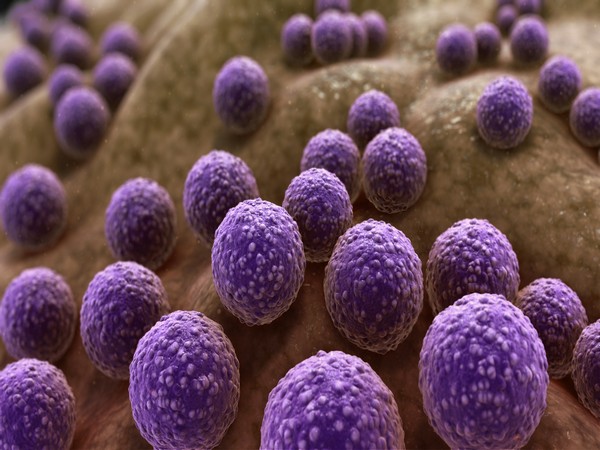
Representative Image

London [UK], January 23 (ANI): Researchers during a recent study have discovered how bacteria which are usually responsible for seafood-related stomach upsets can go dormant due to poor growing conditions and then 'wake up'.
According to the study conducted by the University of Exeter, Vibrio parahaemolyticus is a marine bacterium that can cause gastroenteritis in humans when eaten in raw or undercooked shellfish such as oysters and mussels.
Some of these bacteria are able to turn dormant in poor growing conditions such as cold temperatures -- and can remain in that state of hibernation for long periods before resuscitating.
University of Exeter scientists have identified a population of these dormant cells that are better at waking up, and have discovered an enzyme involved in that waking up process.
"Most of these bacteria die when they encounter poor growth conditions, but we identified subpopulations of bacteria that are able to stay dormant for long periods of time," said lead author Dr Sariqa Wagley, of the University of Exeter. "We found that this population has a better ability to revive when conditions improve."
"Our tests show that when these dormant bacteria are revived they are just as virulent and able to cause disease."
The findings could have implications for seafood safety, as dormant cells are not detectable using routine microbiological screening tests and the true bacterial load (amount of bacteria) could be underestimated.
"When they go dormant, these bacteria change shape, reduce respiration activities and they don't grow like healthy bacteria on agar plates used in standard laboratory tests, so they are much harder to detect," Dr Wagley explained.
"Using a range of tools, we were able to find dormant bacteria in seafood samples and laboratory cultures and look at their genetic content to look for clues in how they might survive for long periods."
"It is important to note that thorough cooking kills bacteria in seafood."
Working with the seafood industry, the Exeter team identified a lactate dehydrogenase enzyme that breaks down lactic acid into pyruvate, a key component of several metabolic pathways (chemical reactions in a cell). "Our results may also help us predict the conditions that dormant bacteria need in order to revive."
The findings suggest that lactate dehydrogenase is essential both for maintaining bacterial dormancy and resuscitation back to an active form.
Vibrio parahaemolyticus usually grows in warm and tropical marine environments, although Dr Wagley said that due to rising sea temperatures in recent years it is now prevalent in UK waters during the summer months. During the winter, it is not detected in the marine environment around the UK and it is thought to die due to the cold winter temperatures.
This study could explain how Vibrio parahaemolyticus is able to remerge in the environment during the summer. The study was partly funded by the Biotechnology and Biological Sciences Research Council (BBSRC), with additional funding and support from Lyons Seafoods. (ANI)


Get the App

What to Read Next

Science

New method guides magnetism without magnets

New method guides magnetism without magnets

Researchers at Paul Scherrer Institute PSI have demonstrated an innovative method to control magnetism in materials using an energy-efficient electric field.

Read More
Science

Amphibians bounce-back from Earth’s greatest mass extinction

Amphibians bounce-back from Earth’s greatest mass extinction

Researchers at the University of Bristol discovered that ancient frog ancestors survived the biggest mass extinction of species by eating on freshwater prey that evaded terrestrial predators.

Read More
Science

New insights into how cancer evades the immune system: Study

New insights into how cancer evades the immune system: Study

Immunotherapy research primarily focuses on better recognition of cancer cells by the body's own immune system. Researchers at Amsterdam UMC and Moffitt Cancer Center have taken a different approach.

Read More
Science

Scientists use AI to better understand nanoparticles: Study

Scientists use AI to better understand nanoparticles: Study

A group of scientists has created a way to illuminate the dynamic behavior of nanoparticles, which are essential components in the production of pharmaceuticals, electronics, and industrial and energy-conversion materials.

Read More
Science

New device could allow you to taste cake in virtual reality

New device could allow you to taste cake in virtual reality

The 'e-Taste' interface employs sensors and wireless chemical dispensers to enable remote taste perception, often known as gestation. Field testing done by researchers at The Ohio State University confirmed the device's ability to digitally simulate a range of taste intensities, while still offering variety and safety for the user.

Read More
Science

Study reveals impact of animals as architects of Earth

Study reveals impact of animals as architects of Earth

A new study led by Professor Gemma Harvey from Queen Mary University of London has revealed how hundreds of species shape the landscapes we depend on, from termite mounds visible from space to beavers creating wetlands and hippos carving drainage systems.

Read More
Science

Opposing arrows of time emerge from certain quantum systems

Opposing arrows of time emerge from certain quantum systems

Researchers at the University of Surrey made a thought-provoking discovery. A new study reveals that opposing arrows of time can theoretically emerge from certain quantum systems.

Read More
Science

COVID-19 severity may be predicted by White Blood Cell Count

COVID-19 severity may be predicted by White Blood Cell Count

A COVID-19 diagnosis is no longer as frightening as it used to be, thanks to developments in treatment choices. However, a new study reveals that leukocyte (white blood cell) count may now be used to identify who is more likely to develop more significant disease symptoms.

Read More
Science

Seals can essentially act as 'smart sensors': Study

Seals can essentially act as 'smart sensors': Study

A new study by marine biologists reports that seals can essentially act as 'smart sensors' for monitoring fish populations in the ocean's eerily dim 'twilight zone.'

Read More
Science

New technology enhances gravitational-wave detection: Study

New technology enhances gravitational-wave detection: Study

A team of physicists led by Jonathan Richardson of the University of California, Riverside, demonstrated how new optical technology can extend the detection range of gravitational-wave observatories such as the Laser Interferometer Gravitational-Wave Observatory, or LIGO, and pave the way for future observatories.

Read More
Home About Us Our Products Advertise Contact Us Terms & Condition Privacy Policy

Copyright © aninews.in | All Rights Reserved.


