

ADD ANI AS A TRUSTED SOURCE
googleads
ANI Logo
Menu
Science

Study reveals expanding gene therapy for rare disease that causes blindness

In an effort to treat the rare genetic condition Usher Syndrome Type 2A (USH2A), a University of Houston researcher is developing a gene therapy technique.

ANI Jan 22, 2023 03:34 IST googleads

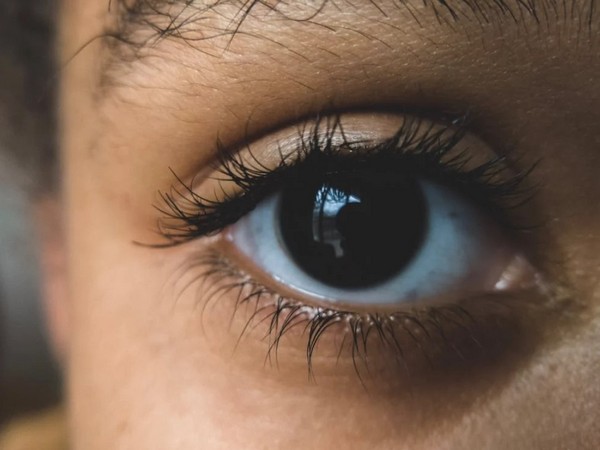
Representative Image

Houston [US], January 22 (ANI): In an effort to treat the rare genetic condition Usher Syndrome Type 2A (USH2A), a University of Houston researcher is developing a gene therapy technique.
Usher Syndrome Type 2A, which is brought on by mutations in the USH2A gene, can cause retinitis pigmentosa as well as hearing loss from birth and gradual visual loss (RP). The light-sensitive layer of the eye called the retina is impacted by RP, and this causes the retina's cells to break down, which results in blindness. There is currently no cure for USH2A.
"Our goal is to advance our current intravitreal gene therapy platform consisting of DNA nanoparticles/hyaluronic acid nanospheres to deliver large genes in order to develop safe and effective therapies for visual loss in Usher Syndrome Type 2A," said Naash. Gene therapy is the introduction of a normal gene into cells to correct genetic disorders. Intravitreal treatment consists of injections directly into the vitreal chamber of the eye.
"Developing an effective treatment for USH2A has been challenging due to its large coding sequence (15.8 kb) that has precluded its delivery using standard approaches and the presence of multiple isoforms with functions that are not fully understood," said Naash, who will also evaluate the long-term efficacy of the best therapeutic platform for future translation to the clinic.
To rescue vision loss, Naash's non-viral therapy targets the mutation in usherin, the protein product that causes Usher Syndrome Type 2A. Naash has already cloned two usherin isoforms to be tested with her innovative platform to safely advance gene therapy for USH2A.
"Understanding which isoforms of usherin are expressed in the retina and the cochlea and what role they play (in contrast to mutant pathogenic forms) is essential in developing an effective gene therapy construct," said Naash. (ANI)


Get the App

What to Read Next

Science

Strand Life Sciences launches portal for rare disease diagnosis

Strand Life Sciences launches portal for rare disease diagnosis

Marking Rare Disease Day, Strand Life Sciences, a subsidiary of Reliance Industries and a leading genomics research company, has launched the StrandOmics Portal, an innovative digital platform designed to assist doctors in diagnosing rare diseases more efficiently.

Read More
Science

When devices can read human emotions without a camera: Study

When devices can read human emotions without a camera: Study

Tokyo Metropolitan University researchers employed long-term skin conductance measurements to distinguish between emotions. Volunteers were given videos representing frightening scenarios, family bonding, and humour, while their skin conductance was measured.

Read More
Science

'Nuroscience study results can be better predicted by AI'

'Nuroscience study results can be better predicted by AI'

Large language models, a type of AI that analyses text, can anticipate the results of proposed neuroscience studies more correctly than human experts, according to a new study led by UCL (University College London) researchers.

Read More
Science

Gut microbes play role in regulating stress responsiveness

Gut microbes play role in regulating stress responsiveness

A groundbreaking study has revealed the critical role of gut bacteria in regulating stress responses through interactions with the body's circadian rhythms.

Read More
Science

Study reveals how reminders can eliminate age-related memory loss

Study reveals how reminders can eliminate age-related memory loss

A recent study from UT Arlington showed that setting reminders can reverse some age-related memory deficits. The findings represent a significant breakthrough in tackling the cognitive issues that older persons confront, particularly in the context of prospective memory, which is the ability to remember to complete an intended activity at the appropriate time, such as taking medication or attending appointments.

Read More
Science

Study finds novel approach to treat neurological diseases

Study finds novel approach to treat neurological diseases

The matter of what causes complicated neurological disorders like Alzheimer's or multiple sclerosis continues to perplex scientists and doctors, with unknowns impeding early diagnosis and successful treatment.

Read More
Science

Alternate method to study changes during DNA replication process

Alternate method to study changes during DNA replication process

Researchers at Colorado State University discovered an alternative way for studying alterations during the DNA replication process in lab settings using genetically modified yeast. The novel methodology provides a clearer picture than current pharmacological methods for understanding cell cycle arrest, a fundamental mechanism critical to cancer treatment and genetic concerns.

Read More
Science

Alzheimer’s disease can damage brain in two phases

Alzheimer’s disease can damage brain in two phases

Alzheimer's disease may cause brain damage in two stages, according to new research supported by the National Institutes of Health (NIH) that uses sophisticated brain mapping methods.

Read More
Science

Study finds new ways to prevent, treat type 2 diabetes

Study finds new ways to prevent, treat type 2 diabetes

Pancreatic cells, like human cells, have a limit to how much stress they can handle before they start to break down. Through overstimulation of these cells, certain stresses like inflammation and hyperglycemia lead to the onset of type 2 diabetes.

Read More
Science

Study discovers how special immune cells stop metastatic cancer

Study discovers how special immune cells stop metastatic cancer

The majority of cancer deaths are caused by metastatic disease, which occurs when cancer spreads from the primary tumour to other areas of the body. and researchers understand how cancer cells escape the primary location to seed new tumours, it is unclear why some cancer cells produce new tumours decades later and others do not.

Read More
Home About Us Our Products Advertise Contact Us Terms & Condition Privacy Policy

Copyright © aninews.in | All Rights Reserved.


