Study links obesity to heavy periods, impaired womb repair
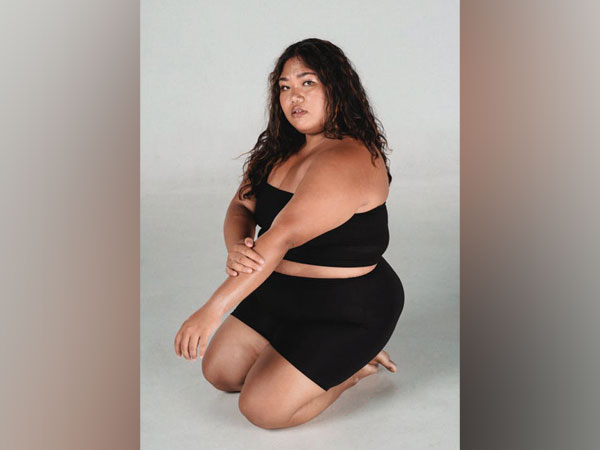
Edinburgh [Scotland], April 9 (ANI): Obesity is linked to heavier periods and may be caused by delayed repair of the womb lining, according to a study published in the Journal of Endocrinology.
ANI
Apr 09, 2021 16:27 IST

Edinburgh [Scotland], April 9 (ANI): Obesity is linked to heavier periods and may be caused by delayed repair of the womb lining, according to a study published in the Journal of Endocrinology.
Using a combined approach, assessing both women and mice, the study suggests an association between higher body weight and greater menstrual blood loss that may result from increased inflammation in the womb lining, delaying its repair.
Although the study did not examine whether weight loss or anti-inflammatory medications may be useful in treating women with obesity and heavy periods, this is a step towards developing more successful and personalised treatments for those suffering from heavy periods, which can be distressing and debilitating.
Heavy menstrual bleeding affects up to 1 in 3 women at some point in their reproductive lives and, although common and debilitating, its causes are poorly defined. Periods can be so heavy that women are unable to go out without leaking through their menstrual protection or in extreme cases may require a blood transfusion.
Heavy menstrual bleeding can result in more work or school absences, an increased financial burden from buying more menstrual products, and an inability to carry out normal daily activities.
Problematic menstrual bleeding can have far-reaching negative impacts on the quality of life for sufferers. The number of women of reproductive age who have obesity is also increasing, with levels in England up to 33 per cent in 2019.
Menstrual disorders are common but they are under-researched. Understanding how obesity may impact menstrual blood loss is an important step towards improving the prevention and treatment of heavy periods.
In this study, Dr Jacqueline Maybin and colleagues at the MRC Centre for Reproductive Health at the University of Edinburgh examined how body mass index (BMI) may affect womb function during menstruation in women, and also in female mice.
The researchers measured the BMI and menstrual blood loss of 121 women, with regular menstrual cycles, who were attending gynecology clinics and not taking any hormone medications.
A weak but statistically significant association between increasing BMI and more menstrual blood loss was found. Since many other factors in women may also affect menstrual blood loss, the investigation was extended to a mouse study, where conflicting variables could be limited.
Mice were fed a normal diet or a high-fat diet prior to stimulation of menstruation. Mice on a high-fat diet had significantly higher body weight than those on a normal diet. After shedding their womb lining, the mice on a high-fat diet showed delayed repair of the remaining womb lining in comparison to mice on a normal diet. Further examination of womb tissue from the mice indicated that inflammatory factors were also higher in mice with greater body weight.
Dr Maybin commented, "Our findings suggest that women with obesity may experience heavier periods due to increased local inflammation and delayed repair of their womb lining. It would be really interesting to investigate the reasons behind this to further our understanding of womb function in the presence of obesity and develop more effective evidence-based treatments."
These findings suggested that weight loss and anti-inflammatory medications may be useful interventions for the treatment of heavy periods in women with obesity. However, this research was carried out on a small number of women with regular periods, who were attending gynecology clinics and may not be representative of the general population. Additionally, larger studies are needed to confirm these findings.
Dr Maybin cautioned, "Although it is difficult to make strong recommendations based on this study alone, a common-sense approach would be to offer weight-loss support to women with a high BMI experiencing heavy periods. However, this should not replace the investigation and treatment of other underlying causes for heavy bleeding (e.g. fibroids, bleeding disorders, cancer). This should form part of personalised treatment recommendations to be considered by both patients and doctors." (ANI)
Get the App