

ADD ANI AS A TRUSTED SOURCE
googleads
Menu
Science

Study links blood proteins in diabetics with slower progression of kidney disease

Washington [US], July 4 (ANI): During a 7 to 15-year longitudinal study of 358 diabetics, researchers linked 3 proteins in blood with a slower progression of progressive kidney failure and diabetic kidney disease.

ANI Jul 04, 2021 21:01 IST googleads

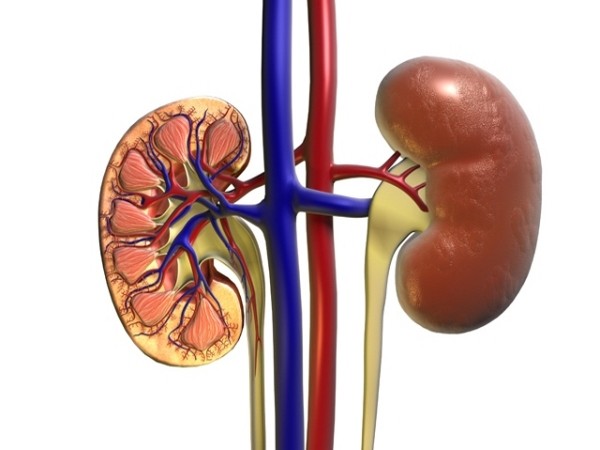
Representative Image

Washington [US], July 4 (ANI): During a 7 to 15-year longitudinal study of 358 diabetics, researchers linked 3 proteins in blood with a slower progression of progressive kidney failure and diabetic kidney disease.
Led by a team of researchers at the American Association for the Advancement of Science, the results suggest that the proteins could help researchers identify diabetics most at risk of kidney damage, potentially enabling earlier interventions and treatment.
Despite advancements in blood sugar control and kidney therapies, patients with type 1 or type 2 diabetes still face a high risk of diabetic kidney disease. This condition can eventually progress to end-stage kidney disease, but some patients show slower kidney decline than others.
In recent years, scientists have focused on understanding why some individuals progress at slower rates and whether they might harbour proteins that protect the kidneys from the effects of diabetes.
As part of the Joslin Kidney Study, Md Dom et al. followed two groups of patients with type 1 or type 2 diabetes and varying degrees of diabetic kidney disease (358 total) for between 7 to 15 years.
While analyzing more than 1,000 proteins in the patients' plasma, the researchers discovered that patients who progressed slowly had higher amounts of the proteins ANGPT1, TNFSF12, and FGF20.
The team confirmed this protective link in an independent group of 294 types 1 diabetic; they also found that FGF20 was elevated in healthy, non-diabetic parents of type 1 diabetics who remained free of kidney complications. If validated in larger studies, this finding "could have a profound implication in future research on determinants of progressive renal decline in [type 1 diabetes]," the authors said.
However, they caution that more studies are necessary to confirm a causal link between the 3 proteins and protection from diabetic kidney disease. (ANI)


Get the App

What to Read Next

Science

Amphibians bounce-back from Earth’s greatest mass extinction

Amphibians bounce-back from Earth’s greatest mass extinction

Researchers at the University of Bristol discovered that ancient frog ancestors survived the biggest mass extinction of species by eating on freshwater prey that evaded terrestrial predators.

Read More
Science

Scientists use AI to better understand nanoparticles: Study

Scientists use AI to better understand nanoparticles: Study

A group of scientists has created a way to illuminate the dynamic behavior of nanoparticles, which are essential components in the production of pharmaceuticals, electronics, and industrial and energy-conversion materials.

Read More
Science

Strand Life Sciences launches portal for rare disease diagnosis

Strand Life Sciences launches portal for rare disease diagnosis

Marking Rare Disease Day, Strand Life Sciences, a subsidiary of Reliance Industries and a leading genomics research company, has launched the StrandOmics Portal, an innovative digital platform designed to assist doctors in diagnosing rare diseases more efficiently.

Read More
Science

COVID-19 severity may be predicted by White Blood Cell Count

COVID-19 severity may be predicted by White Blood Cell Count

A COVID-19 diagnosis is no longer as frightening as it used to be, thanks to developments in treatment choices. However, a new study reveals that leukocyte (white blood cell) count may now be used to identify who is more likely to develop more significant disease symptoms.

Read More
Science

New technology enhances gravitational-wave detection: Study

New technology enhances gravitational-wave detection: Study

A team of physicists led by Jonathan Richardson of the University of California, Riverside, demonstrated how new optical technology can extend the detection range of gravitational-wave observatories such as the Laser Interferometer Gravitational-Wave Observatory, or LIGO, and pave the way for future observatories.

Read More
Home About Us Our Products Advertise Contact Us Terms & Condition Privacy Policy

Copyright © aninews.in | All Rights Reserved.
