

ADD ANI AS A TRUSTED SOURCE
googleads
ANI Logo
Menu
Science

Study finds how seaweed sugar promotes antitumor immunity, improves efficacy of immunotherapy

Researchers revealed that Immunotherapies have improved the outcomes of many cancer patients, including those with melanoma. However, only a subset of patients benefit from these treatments.

ANI Jan 24, 2023 01:48 IST googleads

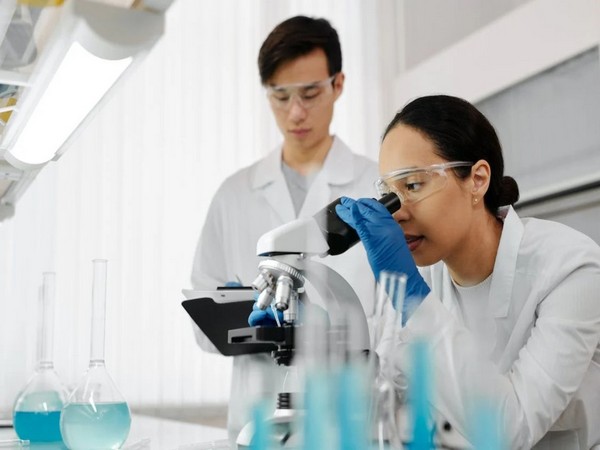
Representative Image

Tampa (Florida) [US], January 24 (ANI): Researchers revealed that Immunotherapies have improved the outcomes of many cancer patients, including those with melanoma. However, only a subset of patients benefit from these treatments.
Numerous studies are being conducted to improve responses, including research aimed at increasing tumor-infiltrating lymphocytes (TILs). TILs are immune cells in tumours that can recognise and attack cancer cells, but there aren't always enough of them or they can't generate a strong enough response to effectively suppress tumour growth and spread.
Moffitt Cancer Center researchers, led by cancer biologist Eric Lau, Ph.D., have identified a relatively natural way to increase the numbers and antitumor activities of TILs. In a new article published in Nature Cancer, Lau's team demonstrates how L-fucose, a nontoxic dietary plant sugar that is enriched in red and brown seaweeds, can increase TILs, promote antitumor immunity and improve the efficacy of immunotherapy.
The sugar molecule L-fucose, while found in foods, can also be made within our own cells through the breakdown and conversion of other molecules. It is important for immune and developmental processes, and abnormalities with L-fucose synthesis and usage are associated with diseases including cancer.
"Overall levels of L-fucose in melanoma cells decrease and how the cells use L-fucose changes during progression. However, we have found that raising L-fucose levels via dietary supplementation can suppress tumors, markedly increase TILs and enhance the efficacy of some immunotherapies in our animal models. In humans, higher levels of L-fucose in melanomas are associated with less aggressive disease and better responses to therapy," said Lau, lead study author and assistant member of the Tumor Biology Department at Moffitt.
The research team wanted to determine the mechanisms underlying how L-fucose appeared to increase TILs and trigger their antitumor activity. For nearly seven years, they performed a battery of laboratory experiments and demonstrated for the first time that L-fucose can regulate interactions between CD4+T cells, a type of TIL, and melanoma cells. In mouse experiments, they found that administration of oral L-fucose increased the levels of L-fucose in tumor cells, reduced tumor growth and increased the total levels of TILs. Their studies found that of the many types of immune cells that comprise TILs, CD4+T cells play a crucial role in mediating the increase in TILs that suppress melanomas during L-fucose treatment. The researchers identified the key molecular mechanisms that contribute to L-fucose-mediated CD4+T cell antitumor activity.
"When one thinks of sugar, one often thinks of glucose or sucrose -- common table sugars that our cells use for energy. Unlike those sugars, L-fucose is used by our cells not for energy but to decorate proteins to fine-tune their behavior and activity. We found that the addition of L-fucose onto the protein HLA-DRB1 causes it to be localized to the surface of melanoma cells, which triggers CD4+T cell-mediated antitumor immune cell activity," said Lau.
In addition to decorating proteins in tumor cells, Lau's team also found that L-fucose alters the biology and behavior of CD4+T and other immune cells, suggesting that this sugar might be used to modulate immune function. These findings have important implications for using L-fucose to enhance immunotherapies that are currently used to treat cancer patients. "So, we took our work one step further and discovered that oral L-fucose also enhances activity of immunotherapy drugs in some of our melanoma models."
Next, the researchers looked at tumors from three independent groups of patients from three cancer centers to assess whether L-fucose levels and L-fucose-decorated HLA-DRB1 might reflect patient responsiveness to the immunotherapeutic agent anti-PD1. They found that patients who responded well to anti-PD1 therapy tended to have higher levels of both in their tumors, suggesting that these may be useful as potential biomarkers to predict responsiveness to immunotherapy.
"Our findings identify and delineate a molecular mechanism by which L-fucose regulates an important interface between melanoma and immune cells. This mechanism can be therapeutically leveraged by simply feeding L-fucose, which suggests a provocative and almost counterintuitive possibility: using sugar to fight cancer," Lau said. (ANI)


Get the App

What to Read Next

Science

New insights into how cancer evades the immune system: Study

New insights into how cancer evades the immune system: Study

Immunotherapy research primarily focuses on better recognition of cancer cells by the body's own immune system. Researchers at Amsterdam UMC and Moffitt Cancer Center have taken a different approach.

Read More
Science

Strand Life Sciences launches portal for rare disease diagnosis

Strand Life Sciences launches portal for rare disease diagnosis

Marking Rare Disease Day, Strand Life Sciences, a subsidiary of Reliance Industries and a leading genomics research company, has launched the StrandOmics Portal, an innovative digital platform designed to assist doctors in diagnosing rare diseases more efficiently.

Read More
Science

Discovery of unexpected collagen structure to influence research

Discovery of unexpected collagen structure to influence research

Collagen, the body's most abundant protein, has long been considered a predictable structural component of tissues.

Read More
Science

Shubhanshu Shukla: IAF officer becomes first Indian astronaut for

Shubhanshu Shukla: IAF officer becomes first Indian astronaut for

Shubhanshu Shukla, Indian Air Force (IAF) officer and one of four astronauts for Indian Space Research Organisation's (ISRO) Gaganyaan mission, has been sele Shubhanshu Shukla, Indian Air Force (IAF) officer and one of four astronauts for Indian Space Research Organisation's (ISRO) Gaganyaan mission, has been selected as the pilot for Axiom Mission 4, scheduled for Spring 2025.cted as the pilot for Axiom Mission 4, scheduled for Spring 2025.

Read More
Science

Weather change linked to heightened risk of Salmonella outbreaks

Weather change linked to heightened risk of Salmonella outbreaks

According to new research from the University of Surrey, climate change has an impact on Salmonella spread. This study builds on prior work by the researchers, which discovered that weather change is contributing to the spread of deadly diarrhoeal illnesses.

Read More
Science

Study finds connection between quantum theory, information theory

Study finds connection between quantum theory, information theory

"Our results have no clear or direct application right now. It's basic research that lays the foundation for future technologies in quantum information and quantum computers. There's enormous potential for complete discoveries in many different research fields," said Guilherme B Xavier, a researcher in quantum communication at Linkoping University, Sweden.

Read More
Science

Tool for detecting problems during protein synthesis

Tool for detecting problems during protein synthesis

Protein synthesis in eukaryotic cells--found in plants, animals, and fungi--involves more than just the straightforward ribosome assembly of amino acids.

Read More
Science

Cancer cells of fat may enhance cancer treatment

Cancer cells of fat may enhance cancer treatment

A study by Van Andel Institute scientists suggests that restricting cancer cells' access to fat may enhance the effectiveness of certain cancer treatments.

Read More
Science

Biomarker may predict response to immunotherapy in liver cancer

Biomarker may predict response to immunotherapy in liver cancer

According to a preclinical study conducted by Weill Cornell Medicine researchers, it may soon be feasible to detect whether individuals with hepatocellular carcinoma, a kind of liver cancer, may benefit from immunotherapy.

Read More
Science

Bacterial vaccine demonstrates potential as cancer treatment

Bacterial vaccine demonstrates potential as cancer treatment

Columbia researchers developed probiotic bacteria that train the immune system to eliminate cancer cells, paving the way for a new class of cancer vaccinations that take advantage of bacteria's innate tumour-targeting abilities. These microbial cancer vaccines can be tailored to each person's specific original tumour and metastases, perhaps preventing future recurrences.

Read More
Home About Us Our Products Advertise Contact Us Terms & Condition Privacy Policy

Copyright © aninews.in | All Rights Reserved.
