

ADD ANI AS A TRUSTED SOURCE
googleads
ANI Logo
Menu
Science

Study: Dry eye disease negatively affects physical and mental health as well as vision

London [UK], March 15 (ANI): A new study by the University of Southampton reports that patients suffering from dry eye disease symptoms have a lower quality of life compared to those without symptoms.

ANI Mar 15, 2021 19:33 IST googleads

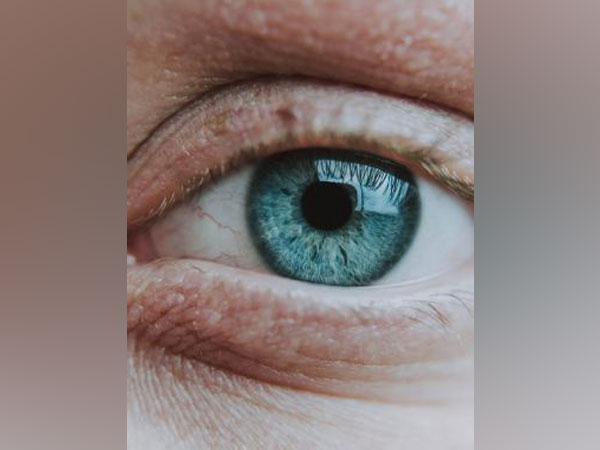
Representative Image

London [UK], March 15 (ANI): A new study by the University of Southampton reports that patients suffering from dry eye disease symptoms have a lower quality of life compared to those without symptoms.
The findings showed that patients with the condition reported negative effects on visual function, their ability to carry out daily activities and their work productivity.
Dry eye disease is a common condition and a frequent reason for patients to seek medical care. It can affect people of any age but is most prevalent in women and in older people. Symptoms include irritation and redness in the eyes, blurred vision, and a sensation of grittiness or a foreign body in the eye.
It has been reported that up to a third of adults over 65 years old have the condition, although the actual number is likely to be higher as there is no established diagnostic test and people with mild symptoms are less likely to report them to their doctor.
Treatment often involves prescriptions of artificial tears, ocular lubricants and astringents, which come at a cost to the NHS; in 2014, 6.4 million items were prescribed at a cost of over £27 million.
This new study, led by the University of Southampton, set out to explore how dry eye disease affects the lives of adults in the UK through an online survey of one thousand patients with the condition and further one thousand without.
Participants undertook a questionnaire from the National Eye Institute about their visual function and a EuroQol questionnaire on health-related quality of life. Those who declared that they experienced dry eye disease also answered further questions to assess the severity of their symptoms.
The results, published in the journal BMJ Open, showed that a higher proportion of participants with dry eye disease had problems with mobility and experienced more difficulties in their day-to-day activities than patients without the condition. The surveys also revealed they were more likely to suffer from anxiety and depression.
Those with the most severe symptoms we more likely to experience a negative impact on their social and emotional functioning as well work productivity, including missing more time from work as a result of their symptoms.
Dr Parwez Hossain, Associate Professor in Ophthalmology at the University of Southampton, led the study. He said: "This study provided some very useful information on the burden that dry eye disease places on patients. As well as confirming the impact on work and social lives we also discovered showed that the extent of the effects are consistent with the severity of symptoms.
We also found that participants with dry eye disease symptoms were a lot more likely to suffer from other comorbidities, twice as many suffered from arthritis, hearing loss or irritable bowel disease compared to the cohort without symptoms.
"Whilst we cannot draw causal associations through this study, the presence of dry eye disease does appear to impact on an individual's health and vision-related quality of life."
Although both groups reported similar levels of digital screen use and reading, the cohort with symptoms reported more exposure to environmental factors such as air conditioning, forced heating or air pollution. The research team believe that these factors could either contribute to dry eye disease or be noticed more by sufferers. (ANI)


Get the App

What to Read Next

Science

New method guides magnetism without magnets

New method guides magnetism without magnets

Researchers at Paul Scherrer Institute PSI have demonstrated an innovative method to control magnetism in materials using an energy-efficient electric field.

Read More
Science

Amphibians bounce-back from Earth’s greatest mass extinction

Amphibians bounce-back from Earth’s greatest mass extinction

Researchers at the University of Bristol discovered that ancient frog ancestors survived the biggest mass extinction of species by eating on freshwater prey that evaded terrestrial predators.

Read More
Science

New insights into how cancer evades the immune system: Study

New insights into how cancer evades the immune system: Study

Immunotherapy research primarily focuses on better recognition of cancer cells by the body's own immune system. Researchers at Amsterdam UMC and Moffitt Cancer Center have taken a different approach.

Read More
Science

Scientists use AI to better understand nanoparticles: Study

Scientists use AI to better understand nanoparticles: Study

A group of scientists has created a way to illuminate the dynamic behavior of nanoparticles, which are essential components in the production of pharmaceuticals, electronics, and industrial and energy-conversion materials.

Read More
Science

New device could allow you to taste cake in virtual reality

New device could allow you to taste cake in virtual reality

The 'e-Taste' interface employs sensors and wireless chemical dispensers to enable remote taste perception, often known as gestation. Field testing done by researchers at The Ohio State University confirmed the device's ability to digitally simulate a range of taste intensities, while still offering variety and safety for the user.

Read More
Science

Strand Life Sciences launches portal for rare disease diagnosis

Strand Life Sciences launches portal for rare disease diagnosis

Marking Rare Disease Day, Strand Life Sciences, a subsidiary of Reliance Industries and a leading genomics research company, has launched the StrandOmics Portal, an innovative digital platform designed to assist doctors in diagnosing rare diseases more efficiently.

Read More
Science

Study reveals impact of animals as architects of Earth

Study reveals impact of animals as architects of Earth

A new study led by Professor Gemma Harvey from Queen Mary University of London has revealed how hundreds of species shape the landscapes we depend on, from termite mounds visible from space to beavers creating wetlands and hippos carving drainage systems.

Read More
Science

Opposing arrows of time emerge from certain quantum systems

Opposing arrows of time emerge from certain quantum systems

Researchers at the University of Surrey made a thought-provoking discovery. A new study reveals that opposing arrows of time can theoretically emerge from certain quantum systems.

Read More
Science

COVID-19 severity may be predicted by White Blood Cell Count

COVID-19 severity may be predicted by White Blood Cell Count

A COVID-19 diagnosis is no longer as frightening as it used to be, thanks to developments in treatment choices. However, a new study reveals that leukocyte (white blood cell) count may now be used to identify who is more likely to develop more significant disease symptoms.

Read More
Science

Seals can essentially act as 'smart sensors': Study

Seals can essentially act as 'smart sensors': Study

A new study by marine biologists reports that seals can essentially act as 'smart sensors' for monitoring fish populations in the ocean's eerily dim 'twilight zone.'

Read More
Home About Us Our Products Advertise Contact Us Terms & Condition Privacy Policy

Copyright © aninews.in | All Rights Reserved.
